NSE IPO Subscription: Rs. 22,569 Crore Issue Gets 9% Bids Soon After Opening
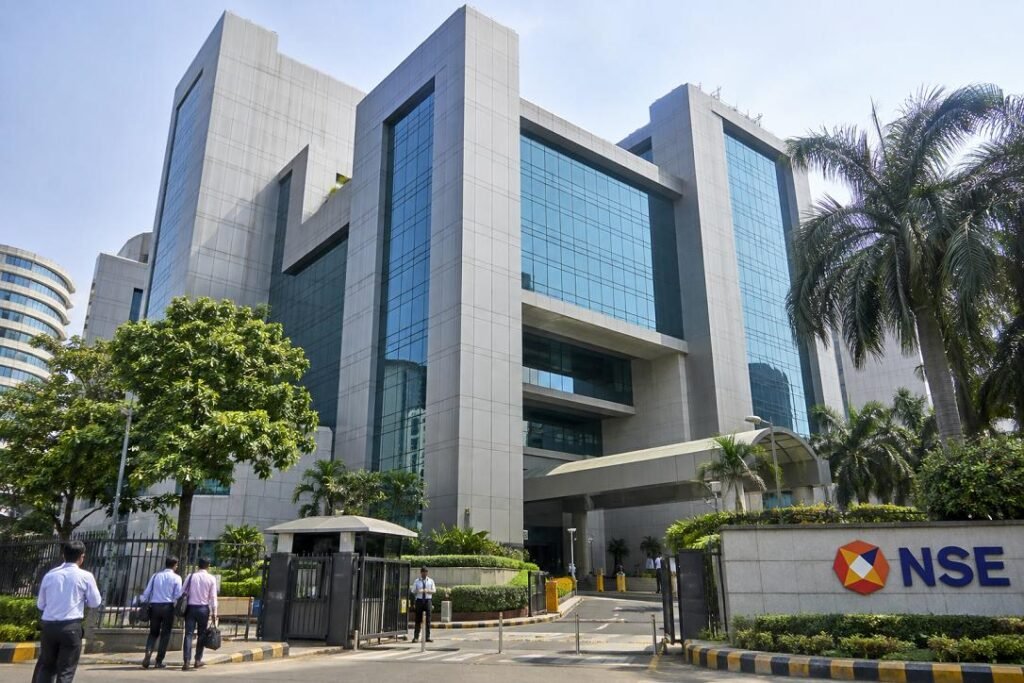
The National Stock Exchange of India’s much-awaited initial public offering opened for public subscription on Thursday, September 17, with investors placing bids for about 9% of the shares available shortly after bidding began.
According to exchange data cited by Reuters, the issue was subscribed 0.09 times by 10:20 a.m. IST. PTI data reported through BSE at 10:16 a.m. showed bids for 81,99,336 shares against 8,86,42,911 shares on offer.
The ₹22,569-crore offering is one of the largest IPOs in India’s history and marks a long-awaited step toward NSE becoming a publicly traded company. The exchange’s listing plans had faced years of regulatory and legal delays.
The IPO will remain open until September 21.
Retail and non-institutional investors lead early bidding
Early demand has been led by non-institutional and retail investors.
PTI reported that the non-institutional investor portion was subscribed 15%, while the retail portion had received bids equivalent to 12% of the shares reserved for that category as of 10:16 a.m.
The initial subscription figures are based on bidding early in the four-day public issue and can change substantially as institutional investors and other categories participate during the remaining subscription period.
The IPO’s price band has been fixed at ₹1,700 to ₹1,785 per equity share. At the upper end of the band, the issue is valued at about ₹22,569 crore, while the exchange’s implied valuation is around ₹4.42 lakh crore.
NSE IPO is entirely an offer for sale
The issue comprises an offer for sale (OFS) of up to 12.64 crore equity shares by existing shareholders.
That distinction is important: because there is no fresh issue of shares, NSE itself will not receive the proceeds from the public offering. The money raised through the sale will go to the shareholders selling their stakes.
The size of the offering was reduced from an earlier plan to sell about 14.9 crore shares. The reduction brought the issue size down from an initially indicated figure of roughly ₹30,000 crore to the current ₹22,569 crore.
The Securities and Exchange Board of India (SEBI) records show that NSE’s Red Herring Prospectus was filed with the Registrar of Companies on September 11.
Anchor investors commit ₹6,746 crore
Ahead of the public issue, NSE raised ₹6,746 crore from anchor investors.
The anchor book included prominent domestic and international institutions such as Life Insurance Corporation of India, Goldman Sachs, Fidelity, GIC Singapore, Abu Dhabi Investment Authority and Norges Bank, along with Eastspring and HSBC Global Asset Management.
Reuters reported that the anchor allocation was worth about $703 million and included major global and domestic investors, highlighting the institutional interest ahead of the public offering.
One of India’s largest IPOs
At ₹22,569 crore, the NSE offering is India’s second-largest public issue, behind Hyundai Motor India’s ₹27,870-crore IPO in 2024, according to PTI. It is also larger than the ₹20,557-crore IPO of Life Insurance Corporation of India in 2022.
The IPO represents an important milestone for an exchange that has operated as one of the central institutions in India’s capital markets but has remained privately held.
Reuters noted that NSE’s public listing follows a decade-long process during which regulatory scrutiny and legacy legal issues repeatedly delayed its IPO plans.
NSE faces a changing derivatives market
The public issue arrives as investors assess NSE’s exposure to India’s rapidly expanding derivatives market.
Reuters reported ahead of the IPO that NSE has faced uncertainty linked to changes affecting derivatives trading, while derivatives volumes have also come under pressure from regulatory changes. NSE’s financial performance has consequently become an important consideration for investors assessing the business.
The exchange, however, remains deeply embedded in India’s capital-market infrastructure, with its trading, clearing and index businesses providing exposure to several segments of the financial system.
For investors, the IPO therefore provides an opportunity to own shares in the operator of India’s largest stock exchange, but the eventual market value of the company will depend on its financial performance, trading activity, regulation and the price at which the shares trade after listing.
What happens next
The NSE IPO will remain open for subscription through September 21. The shares are expected to be listed on September 24, subject to completion of the allotment and listing process.
The early 9% subscription figure is only an initial snapshot. Bidding levels can change considerably before the issue closes, particularly as qualified institutional buyers participate more fully.
For now, the first-day response establishes that the long-awaited NSE public offering has attracted measurable demand from investors shortly after opening.