ChatGPT 1980s Photo Trend Takes Over Instagram With Retro AI Looks
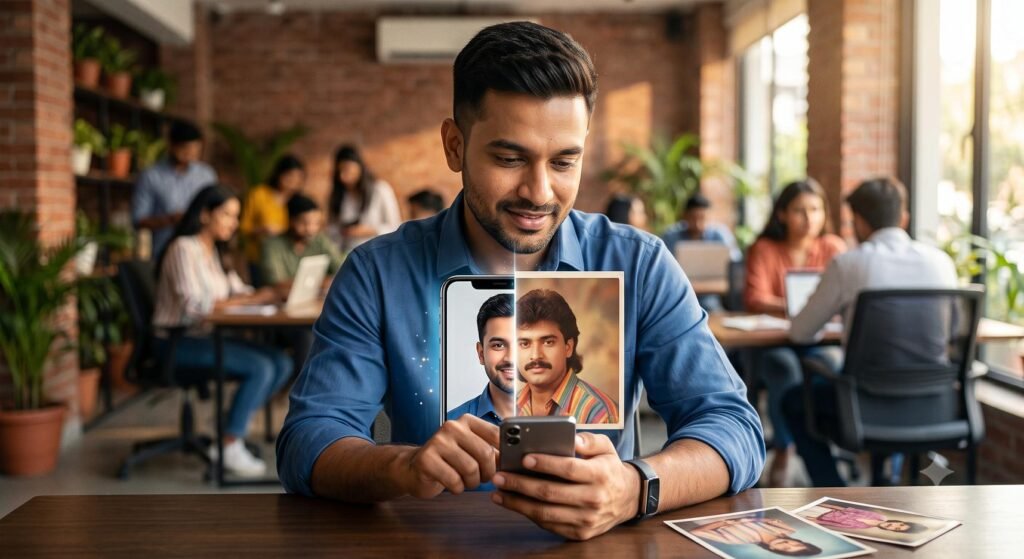
A new AI photo trend is giving Instagram users a way to imagine themselves in the 1980s, turning present-day photographs into retro portraits with period clothing, hairstyles, backgrounds and analogue-style photography.
The trend has spread across Instagram feeds and Stories in India and elsewhere, with users sharing AI-generated versions of themselves styled as 1980s Bollywood characters, family-album subjects, college students and vintage studio portraits. Indian Express, Hindustan Times and other publications have reported on the trend on September 9.
Unlike a conventional vintage filter, the effect involves asking an image-generation system to reinterpret the photograph. Users can specify the clothes, hairstyle, lighting, setting, and photographic texture while asking the tool to retain their recognizable facial features.
The trend has also been circulating through Instagram’s “Add Yours” feature, giving users a simple way to share their version and invite others to participate.
What is the 1980s AI photo trend?
The basic idea is straightforward: upload a photograph and ask ChatGPT to recreate it as though it had been photographed during the 1980s.
A detailed prompt can tell the AI to preserve the person’s identity while changing the visual elements around them. For example, a user could request an Indian family photograph from the mid-1980s, a Bollywood-style studio portrait or a casual street photograph with period clothing and cars.
The resulting image can include visual characteristics associated with analogue photography, such as film grain, soft focus, muted or slightly faded colours and imperfect lighting.
Indian Express reported that the trend has attracted participation from public figures including Tamannaah Bhatia, Dipika Chikhlia, Lin Laishram and Anita H Reddy, while other reports have highlighted users creating retro versions of South Indian actresses and other celebrities.
How to create a 1980s-style photo in ChatGPT
OpenAI’s current ChatGPT image tools allow users to upload existing images and request edits or transformations. The company’s help documentation says users can add an image to a conversation and describe the changes they want made.
For the 1980s trend, a clear photograph with a visible face generally gives the system more information to work with. The prompt can then specify the decade, clothing, hairstyle, environment, lighting, and photographic treatment.
Here are 10 prompts designed around different retro looks.
1. Classic 1980s studio portrait
“Transform my uploaded photo into an authentic 1980s studio portrait. Keep my facial features, identity, skin tone and natural expression recognizable. Give me period-appropriate 1980s clothing and hairstyle, with a simple professional studio backdrop, warm soft lighting, subtle analogue film grain and slightly faded colours. Make it look like a real photograph taken on film in the 1980s rather than a modern digital image with a vintage filter.”
2. Indian family-album photograph
“Turn this photo into a believable Indian family-album photograph from the mid-1980s. Keep my face and identity recognizable. Change the clothing, hairstyle and surroundings to reflect an ordinary Indian family setting from that period. Use natural indoor lighting, slightly faded colours, mild film grain, soft focus and the imperfections of an old printed photograph. Avoid modern objects and digital-looking effects.”
3. Retro Bollywood portrait
“Recreate this photograph as an authentic 1980s Bollywood studio portrait. Preserve my recognizable facial features and expression while giving me period-appropriate Indian clothing, hairstyle and accessories. Use dramatic but realistic studio lighting, warm colours, subtle analogue film grain and a classic film-photography texture. Make it resemble an old publicity photograph rather than a modern AI image.”
4. 1980s college student
“Transform my photo into an authentic 1980s college photograph. Keep my identity and facial structure recognizable. Give me period-appropriate college clothing, hairstyle and accessories, and place me on a vintage Indian college campus. Include realistic architecture and details from the decade. Use natural light, soft focus and subtle analogue film grain.”
5. 1980s street-style portrait
“Turn this photo into a candid street photograph from the 1980s. Keep my face and identity recognizable while changing my clothes and hairstyle to match the decade. Place me on a busy urban street with period-appropriate cars, shopfronts and signs. Use realistic daylight, natural shadows, slight film grain and mildly faded colours. Avoid modern vehicles, smartphones and contemporary clothing.”
6. 1980s disco look
“Reimagine my uploaded photo as an authentic 1980s disco portrait. Keep my facial features and identity recognizable. Give me a stylish 1980s outfit, period hairstyle and appropriate accessories. Place me inside a realistic retro disco with coloured lights and a dance-floor atmosphere. Use analogue film texture, soft highlights, natural skin tones and subtle grain rather than excessive digital effects.”
7. Old magazine cover portrait
“Transform this photograph into a realistic 1980s Indian film magazine portrait. Keep my identity and facial features recognizable. Give me period-appropriate hair, clothing and styling, with a classic studio background and professional portrait lighting. Use slightly faded print colours, analogue film grain and the look of an old magazine photograph. Do not add readable magazine text or logos.”
8. 1980s wedding photograph
“Recreate this image as an authentic Indian wedding photograph from the 1980s. Preserve the person’s identity and recognizable facial features. Use period-appropriate traditional clothing, hairstyles, jewellery and wedding decorations. Make the photograph look like it was taken on an analogue camera and printed decades ago, with warm lighting, subtle grain, slightly faded colours and natural imperfections.”
9. Vintage family vacation photo
“Turn my uploaded photograph into a believable family vacation photograph from the late 1980s. Keep my face and identity recognizable. Change the clothes, accessories, vehicles and surroundings to match the decade. Use realistic outdoor lighting, analogue film grain, slightly faded colours and the soft quality of an old printed snapshot. Avoid modern objects and contemporary styling.”
10. Photograph discovered in an old album
“Transform my photo into a believable photograph from the 1980s that looks like it was recently discovered inside an old family album. Keep my facial features, identity and expression recognizable. Change the clothing, hairstyle and environment to match the decade. Add authentic analogue film grain, slight colour fading, soft focus, natural lighting and small imperfections associated with an old printed photograph. Do not make it look like a digital filter or an artificially aged modern image.”
Why detailed prompts produce a different result
The prompts circulating the trend have a common structure: they identify the period, preserve the subject’s recognizable appearance, and then specify the visual details that need to change.
That matters because “make this look 1980s” leaves many decisions to the image model. A more precise instruction can define the setting, clothing, hairstyle, lighting, and photographic texture.
OpenAI’s current image documentation also says ChatGPT can edit existing images and follow detailed instructions when generating or modifying images. Its September 8 release notes describe newer image capabilities focused on sharper details, more precise editing and faster generation.
The generated image may still contain errors. Details such as jewellery, hands, background objects, signs, or facial characteristics can change unexpectedly. Users should check the finished image before sharing it publicly.
There is also a privacy consideration
The trend is primarily entertainment, but uploading personal photographs to an AI service is still a data decision.
OpenAI says content from individual ChatGPT services may be used to improve its models unless the user opts out. The company also provides a Data Controls setting that allows users to turn off “Improve the model for everyone.” Temporary Chats are not used to train models and are deleted from OpenAI’s systems after 30 days, according to the company’s current help documentation.
That does not mean users should avoid the trend altogether. It does mean people should think before uploading photographs containing sensitive personal information, private documents, or other people who have not agreed to have their images used.
OpenAI’s service terms also say users must have the necessary rights and consent when using the visual capabilities to reproduce another person’s likeness.
The trend is part of a broader AI-image cycle
The current 1980s wave follows several earlier social-media trends in which users turned ordinary photographs into stylized AI images.
What makes the current version distinctive is its reliance on nostalgia. Rather than creating an entirely fictional character, the prompts ask AI to imagine an existing person in a specific period, often using familiar details from Indian fashion, family photography, and cinema.
For many users, the appeal is less about producing a technically perfect photograph than seeing a familiar face placed in a visual era that predates today’s smartphone photography.
The technology also makes the experiment accessible. ChatGPT’s image tools support image uploads and editing across web and mobile, subject to plan and usage limitations.
For now, the 1980s trend remains a social-media phenomenon rather than a formal product launch or technology announcement. Its appeal is coming from the combination of simple prompts, increasingly capable image-generation tools, and the enduring popularity of retro aesthetics.