Oil Nears $100 as US Iran Conflict Explodes: Ship Attacks Put Strait of Hormuz at Risk
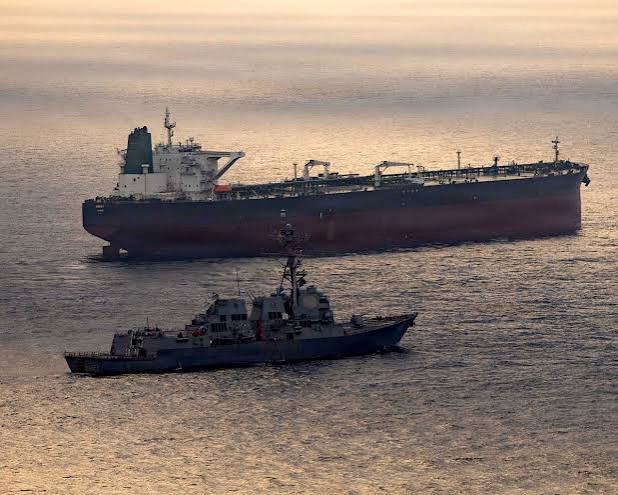
SINGAPORE: Oil prices surged toward $100 a barrel as the US Iran Conflict intensified around the Persian Gulf, with attacks involving oil tankers and warships raising fears that energy supplies could face further disruption. Brent crude reached $98.06 intraday on September 7 before settling at $97.31, while traders watched the Strait of Hormuz for signs of a deeper shipping crisis.
According to Reuters, the escalation pushed Brent to a six-week high as Iran warned it could retaliate against further US attacks on its assets. The US Iran Conflict is increasingly being felt beyond the battlefield, with energy markets pricing in the possibility of prolonged supply disruptions.
Oil climbs as tensions spread across the Gulf
Brent crude settled at $97.31 a barrel on Monday, September 7, after briefly touching $98.06, its highest level since July 24. West Texas Intermediate rose to $92.65 during the session.
The move came as the US-Iran conflict intensified through attacks involving oil tankers and warships. Reuters reported that Brent gained about 8% last week, while WTI rose nearly 10%, highlighting how quickly geopolitical risk has translated into higher energy prices.
The latest Ship Attacks have therefore become a central concern for traders because any sustained disruption could tighten an already pressured physical oil market.
Tanker strikes transform the conflict
The latest Ship Attacks escalated after US forces struck three Iranian oil tankers on Saturday, following Iranian Revolutionary Guard missile attacks targeting US Navy warships. The American vessels avoided the attacks and no US personnel were reported injured.
The strikes marked a significant development because commercial tankers are now directly caught in the confrontation. Reuters cited maritime intelligence analysis saying the vessels were increasingly being used as instruments of reciprocal economic pressure.
The Ship Attacks also raise concerns about the security of vessels operating through one of the world’s most important oil corridors.
Hormuz traffic falls sharply
The Strait of Hormuz has become the biggest pressure point for global energy markets. Reuters reported that an average of only 10 commodity ships a day passed through the waterway over the previous 10 days, the lowest level since May.
Lower traffic through the strait matters because major crude shipments use the route. Prolonged disruption could increase competition for alternative supplies and raise transportation costs.
For the US Iran Conflict, that means the economic consequences could extend well beyond the countries directly involved. Markets are watching whether shipping volumes recover or fall further as threats continue.
Oil could climb further if attacks continue
Analysts are warning that the market could face a much larger shock if Ship Attacks increase. Goldman Sachs said prices could reach $120 a barrel if attacks on shipping rise significantly.
Reuters reported that Goldman raised its December 2026 Brent outlook by $5 to $85, while analysts at Marex expect crude prices to remain elevated through the end of the year if the conflict continues.
That outlook makes every new development in the US Iran Conflict important for energy markets. Even without a complete closure of Hormuz, fewer ships, higher insurance costs and disrupted supply routes can keep prices elevated.
Global markets brace for another shock
Markets now depend on whether the latest Ship Attacks remain limited. Further Ship Attacks could deepen the shock, pressuring crude prices and transport costs.
Brent remains below $100, but its rapid rise shows how sensitive markets have become. The US Iran Conflict has moved from a regional military confrontation into a growing threat to global energy security, with shipping routes and oil supplies now at the centre of the crisis.