Iranian Airlines Face Global Shutdown From September 23 Under US Sanctions
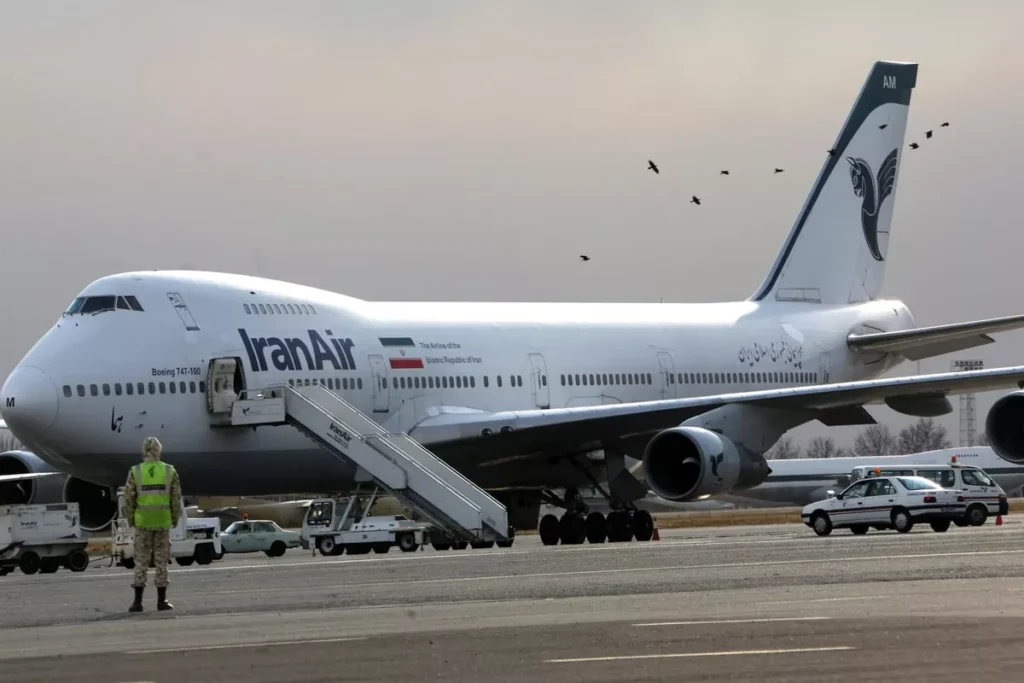
WASHINGTON — Iranian airlines could effectively lose access to international aviation services from Wednesday, September 23, after US Treasury Secretary Scott Bessent warned that foreign companies providing them with fuel, landing services, or ticket sales could face consequences under Washington’s sanctions regime.
Bessent told CNBC on Monday that “On September 23, all the Iranian airlines will be shut down around the world.” He said the pressure would extend beyond the carriers themselves to airports and other companies that help them operate outside Iran.
“If they land, you cannot provide them with fuel, you cannot provide them with landing services, you cannot sell them tickets, or you will be knocked out of the dollar system,” Bessent said, according to reports of the interview.
The warning does not itself mean that every country has formally closed its airspace to Iranian aircraft. Rather, Washington is seeking to make international operations increasingly difficult by threatening secondary sanctions against companies that continue to provide essential services to sanctioned carriers.
What the US has already done
The latest warning follows a broad Treasury sanctions package announced on September 8.
The US Treasury’s Office of Foreign Assets Control sanctioned 36 targets connected to Iran’s aviation sector. The action included 27 Iranian airlines, along with companies and intermediaries in several other countries that Washington said were helping Iranian carriers operate or acquire aircraft and aviation-related technology.
Treasury said the aviation sector was being used by Iran to move weapons, personnel and illicit cargo. The department also targeted procurement networks and foreign intermediaries involved in obtaining US-origin aircraft and sensitive technology.
Among the Iranian airlines listed by OFAC are Air Shiraz, Ata Airlines, Iran Air Tours, Iran Aseman Airlines, Kish Air, Fly Persia and several other carriers. The sanctions designation states that the affected Iranian airlines face secondary-sanctions risk.
The Treasury also suspended certain aviation-related authorizations, including one covering the re-exportation of certain civil aircraft to Iran on temporary sojourn and related transactions.
Reuters reported that the September 8 measures also affected foreign companies in countries including Turkey, the United Arab Emirates, Malaysia and Kazakhstan.
Why the dollar system matters
Bessent’s latest warning is built around the reach of the US financial system.
International airlines depend on a network of services beyond the aircraft itself. A carrier operating abroad needs airport access, fuel, ground handling, ticket sales, maintenance arrangements and financial transactions.
Washington is warning companies that providing those services to Iranian carriers could put their own access to the US financial system at risk.
That gives the United States a mechanism to pressure companies outside its jurisdiction without directly controlling the airports where Iranian aircraft land.
The US Treasury has previously used secondary sanctions to pressure foreign companies and financial institutions over dealings with sanctioned Iranian entities.
Iranian international routes are already being affected
The pressure on Iranian aviation is not starting on September 23. Some international routes have already been suspended.
Mahan Air, one of Iran’s major private carriers, suspended services involving Turkey and Oman after restrictions imposed by aviation authorities in those countries. The airline said the decisions were made by the relevant aviation authorities.
Mahan’s Tehran-Istanbul and Tehran-Ankara services were suspended from September 21, while its Tehran-Muscat route had already been suspended from September 17. Flights to Georgia were also suspended from September 21.
Reuters reported earlier this month that Washington had expanded sanctions beyond Mahan Air to Iran’s remaining airlines and companies supporting the country’s aviation network. The agency described the measures as part of a broader effort to isolate Tehran economically.
Reports on Tuesday also indicated that Iraq was preparing to suspend flights operated by Iranian airlines. Two Iraqi sources cited by AFP said Baghdad would halt those services, while Georgia had already barred Iranian carriers from operating.
What remains unclear
The phrase “shut down around the world” is a description of the expected effect of the US pressure, rather than evidence that every country has independently banned Iranian airlines.
The US measures do not automatically close every foreign airport or airspace to Iranian aircraft.
Instead, the immediate issue is whether airports, fuel companies, ticketing businesses, ground-service providers and other commercial partners will continue working with Iranian carriers despite the threat of US secondary sanctions.
That distinction matters because the practical impact will depend partly on how individual governments and companies respond.
Iranian authorities had not publicly responded to Bessent’s September 21 warning in the sources reviewed for this report.
A shrinking network for Iranian passengers
Iran’s aviation industry has faced US sanctions for years, limiting access to aircraft, spare parts and maintenance services.
The latest measures add pressure to an industry that already has limited international connectivity.
For passengers, the consequences could include fewer direct flights, more cancellations and greater reliance on connecting through neighboring countries. The effect could be particularly significant for people travelling for family, business or medical reasons.
Iranian carriers may still operate domestic services, and the US announcement does not by itself establish that all flights inside Iran will stop. The immediate focus is on international operations and the foreign companies needed to sustain them.
What happens next
September 23 is the key date identified by Bessent.
The Treasury’s September 8 measures had already brought the remaining Iranian airlines under US sanctions, while certain aviation-related transactions were placed into wind-down periods. OFAC’s published action confirms that some previous aviation authorizations were suspended and that a wind-down authorization was issued for specified transactions.
The next stage will show how widely foreign aviation and financial companies comply with Washington’s warning and how Iran’s airlines respond.
For now, the confirmed development is a US threat to make international operations by Iranian carriers effectively unworkable by targeting the overseas services they require. Whether every Iranian airline is actually prevented from operating worldwide from September 23 will depend on the response of airports, service providers, and governments in the countries where those airlines operate.