Indus Waters Treaty UN Row: India Accuses Pakistan of ‘Propagating Falsehoods’
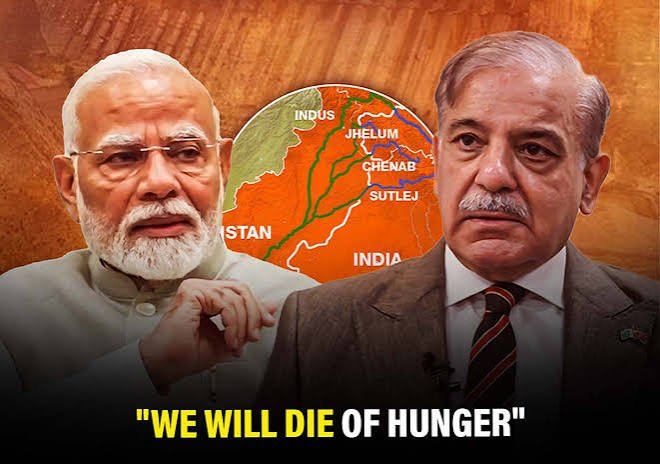
NEW DELHI: India has sharply criticised Pakistan over a letter circulated to the United Nations Security Council concerning a recent Court of Arbitration pronouncement on the Indus Waters Treaty, accusing Islamabad of misrepresenting facts and “propagating falsehoods”. The dispute comes after the arbitration body issued an August 31 award stating that the treaty remains in force.
India Rejects Pakistan’s Indus Waters Treaty Claim
The latest Indus Waters Treaty UN dispute centres on how Pakistan has presented the arbitration decision to the Security Council.
At a Ministry of External Affairs briefing on Tuesday, spokesperson Randhir Jaiswal rejected Pakistan’s characterisation of the decision as a ruling of the Permanent Court of Arbitration. He said the body involved was an “illegally constituted court” and argued that India had never recognised or participated in its proceedings.
“Pakistan has a habit of misrepresenting facts and propagating falsehoods to serve its malicious propaganda,” Jaiswal said, according to India Today.
The comments mark another escalation in India Pakistan diplomacy, with the two countries presenting sharply different interpretations of the treaty and the arbitration process.
UN Security Council Letter Triggers Fresh Dispute
Pakistan circulated a letter to the UN Security Council after the Court of Arbitration issued its August 31 award. The award held that the Indus Waters Treaty remained in force and that India could not unilaterally place the agreement in abeyance.
Pakistan has used the decision to reinforce its position that the treaty continues to bind both countries.
India has rejected that interpretation. New Delhi maintains that the arbitration mechanism was established in violation of the treaty’s dispute-resolution framework and therefore has no authority over India’s sovereign decisions.
The dispute follows an earlier Indus Waters Treaty row involving India’s water infrastructure and the wider disagreement over how the 1960 agreement should operate.
India Links Treaty Position To Cross-Border Terrorism
India placed the Indus Waters Treaty in abeyance in April 2025 following the Pahalgam terror attack, in which 26 people were killed.
New Delhi has said the treaty will remain in abeyance until Pakistan credibly and irrevocably ends its support for cross-border terrorism. Pakistan has rejected India’s position and has continued to argue that the treaty cannot be suspended unilaterally.
The issue has since become a central point of tension in India Pakistan diplomacy, alongside disputes over terrorism, Jammu and Kashmir and water infrastructure.
Why The August 31 Award Matters
The Court of Arbitration’s August 31 decision did more than address individual hydroelectric projects. It also considered India’s attempt to place the treaty in abeyance and concluded that the agreement remained legally operative.
India, however, does not accept the tribunal’s jurisdiction. Jaiswal reiterated that the arbitration body’s pronouncements have no bearing on India’s sovereign decisions.
That leaves the Indus Waters Treaty UN dispute caught between two opposing positions: Pakistan is presenting the arbitration decision as confirmation that the treaty remains binding, while India says the body that issued it lacks legitimacy and jurisdiction.
Diplomatic Dispute Remains Unresolved
The latest exchange shows that the UN Security Council has become another arena for the long-running India-Pakistan disagreement over the water-sharing agreement.
The treaty, signed in 1960 with World Bank involvement, has survived several wars and prolonged periods of hostility. Its current crisis, however, has linked water management directly with India’s security concerns and Pakistan’s objections to changes in the treaty’s implementation.
For now, neither side has shifted its core position. The latest India Pakistan diplomacy dispute therefore leaves the treaty question unresolved, with both governments continuing to defend fundamentally different interpretations of the arbitration process and the agreement’s status.