Nepal Floods: UP and Bihar on Alert as Gandak River Surge Feared
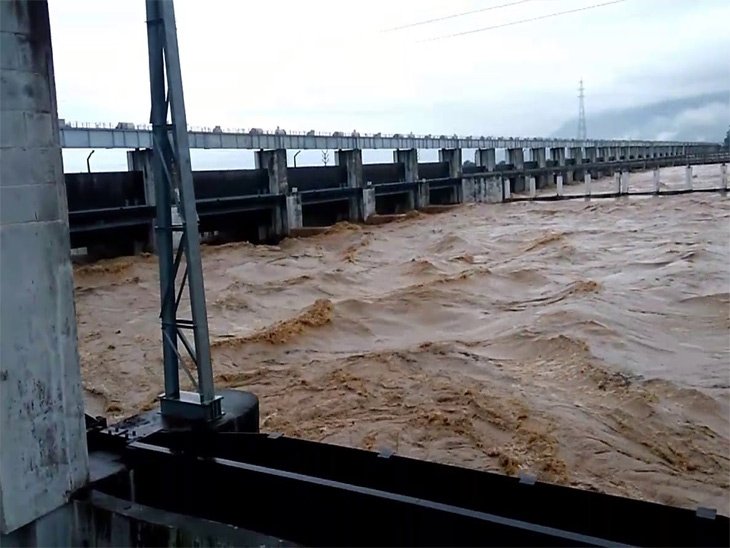
At least 22 people have been killed after devastating flash floods swept through parts of northern Nepal on Wednesday, while hundreds of people remain unaccounted for. The disaster has also prompted authorities in Uttar Pradesh and Bihar to prepare for a possible surge of water downstream through the Gandak and Narayani river systems.
The flooding struck the Rasuwa area near Nepal’s border with Tibet, with the Bhote Koshi River carrying a sudden surge of water and debris through settlements around Timure and Syapru Besi. Roads, bridges, homes and hydropower infrastructure were damaged or swept away.
The death toll has risen as rescue teams have gained access to more areas. Earlier reports on Wednesday had put the number of deaths considerably lower, but later updates from international and Indian news agencies reported at least 22 fatalities. The situation remains fluid, with authorities still assessing the full scale of the destruction.
384 travellers reported missing
The Nepal Tourism Board has reported 384 travellers missing from the affected areas, based on preliminary information received from tourism and travel companies. The list includes 291 foreign nationals and 93 Nepali nationals. At least 105 Indian citizens are among those reported missing, along with 37 non-resident Indians.
Many of the missing travellers were associated with the route used by pilgrims travelling towards the Kailash Mansarovar region. Communications and road links have been badly disrupted, making it difficult for authorities and families to establish the whereabouts of everyone who was in the affected area.
Nepal’s army, armed police and regular police have been involved in search and rescue operations. Helicopters have also been deployed, although difficult conditions in the worst-hit areas have complicated access.
Bihar prepares for possible Gandak surge
The flooding has raised an immediate concern in Bihar because rivers originating or passing through Nepal feed into India’s northern plains.
The Bihar government said a flash-flood wave of up to around three metres could enter the Gandak river system. A high-level review meeting chaired by Chief Secretary Pratyaya Amrit brought together district magistrates and senior police officials to assess preparations.
Authorities have ordered heightened vigilance in West Champaran, East Champaran, Gopalganj, Saran, Muzaffarpur and Vaishali. Sitamarhi and Sheohar have also been identified for close monitoring.
Officials have been instructed to watch river levels, embankments, low-lying areas, bridges and other vulnerable locations. Evacuation plans, boats, shelters and community kitchens are being kept ready, while additional National Disaster Response Force and State Disaster Response Force resources can be deployed if required.
The Bihar administration has also asked officials to keep residents informed and to counter rumours circulating on social media.
The Central Water Commission has separately advised authorities in Bihar and Uttar Pradesh to monitor the Gandak closely following a sharp rise in water levels reported in Nepal’s Trishuli river. The commission warned that the flood wave could travel downstream, although its intensity would be reduced as it moved through the river system.
Uttar Pradesh border districts placed on alert
Uttar Pradesh has also stepped up preparedness.
Chief Minister Yogi Adityanath directed officials in Maharajganj and Kushinagar to remain vigilant and make preparations for a possible emergency. The two districts are particularly relevant to the situation because of their proximity to Nepal and the Gandak-Narayani river system.
The Central Water Commission’s warning also covers vulnerable areas along the Gandak in Uttar Pradesh. Authorities have been asked to monitor water levels and take precautionary measures if necessary.
Uttar Pradesh’s disaster-management framework already identifies several districts in the Gandak and related river basins as vulnerable to flooding from upstream water flows originating in Nepal.
At present, the concern in India is primarily about the possible downstream impact rather than a confirmed large-scale flood disaster in UP or Bihar.
Cause of Nepal disaster still being assessed
The precise sequence that produced the sudden flood is still being investigated.
Reuters reported that a possible earthquake and subsequent ice-and-rock movement may have contributed to the disaster. The Associated Press reported that an ice-rock avalanche may have blocked a river before the water and debris surged downstream. The reports reflect an evolving assessment rather than a final determination of the cause.
The flooding entered the Bhote Koshi river system from the Tibetan side and then moved downstream through Nepal. Authorities have warned people living along affected riverbanks to move to safer locations and remain alert for further surges.
India offers assistance to Nepal
Prime Minister Narendra Modi spoke with Nepal’s Prime Minister Balendra Shah on Wednesday and expressed condolences over the loss of life. Modi said India was ready to provide humanitarian assistance and that Indian teams were coordinating with Nepal on rescue and relief efforts.
The Indian Embassy in Kathmandu is also coordinating with Nepalese authorities regarding Indian nationals affected by the floods. Emergency contact arrangements have been issued to assist families seeking information about missing Indians.
For Bihar and Uttar Pradesh, officials are now watching the downstream movement of water and the condition of the Gandak system. The immediate priority is early warning and preparedness in areas where a sudden rise in river levels could threaten communities.
With rescue operations in Nepal still underway and the list of missing travellers based on preliminary information, both the casualty figures and the number of people unaccounted for could change as authorities establish contact with isolated areas.
This story may be updated as new information becomes available.