Amit Shah’s Big Western Push: 28th Western Zonal Council Meeting in Goa Targets Security, Growth and State Cooperation
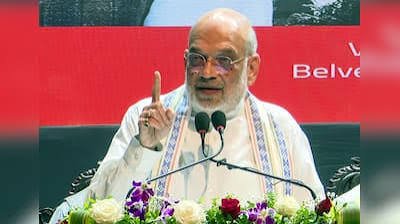
PANAJI: Union Home Minister Amit Shah chaired the 28th Western Zonal Council meeting in Panaji, Goa, on September 7, bringing together the chief ministers of Goa, Gujarat and Maharashtra along with the administrator of Dadra and Nagar Haveli and Daman and Diu. The meeting focused on development, public welfare, security and stronger coordination between governments.
According to the Press Information Bureau, the meeting was attended by Goa Chief Minister Pramod Sawant, Gujarat Chief Minister Bhupendra Patel, Maharashtra Chief Minister Devendra Fadnavis and Administrator Praful K. Patel.
Amit Shah highlights western region’s economic weight
Addressing the meeting, Amit Shah described the western region as India’s largest economic, industrial and financial centre. He also called it the “WEST Engine” of economic growth, with the region’s strengths spanning wealth and finance, exports and ports, start-ups and semiconductors, and tourism and the blue economy.
Shah pointed to the region’s growing economic importance while highlighting Goa’s tourism sector, Maharashtra’s start-up ecosystem and Gujarat’s ports and semiconductor ambitions. The remarks placed economic cooperation at the centre of the Western Zonal Council discussions.
Security becomes a major focus
Coastal security emerged as one of the most significant security priorities discussed during the meeting. Amit Shah said the Ministry of Home Affairs would move “very seriously” on coastal security over the next two years.
The meeting also covered cybercrime, digital infrastructure and measures to strengthen coordination between governments and security institutions. Shah urged western states to play a leading role in implementing the new criminal laws and in the fight against drugs.
The emphasis on coastal and internal security gives the Western Zonal Council a role extending beyond economic coordination, particularly for states with major ports, tourist destinations and extensive coastlines.
Welfare and infrastructure issues on agenda
Several public welfare and development matters were also reviewed. These included railway development projects, environmental clearances, electricity supply, urban master planning and the implementation of Ayushman Bharat.
The council also discussed the Emergency Response Support System, food safety standards, Fast Track Special Courts for cases involving crimes against women and children, and efforts to reduce child malnutrition and school dropout rates.
Banking and agricultural infrastructure also featured in the discussions. States were encouraged to strengthen Primary Agricultural Credit Societies and improve the reach of formal banking facilities.
Western Zonal Council reports progress on disputes
A notable claim from Amit Shah was that there are no longer disputes among the states of the western region. He said the Western Zonal Council has increasingly shifted from resolving disputes to monitoring the implementation of welfare and development measures.
The council system was established under the States Reorganisation Act, 1956, to provide a structured platform for cooperation between the Centre and states, as well as among member states and Union Territories.
What the Goa meeting means
The latest meeting indicates that the Western Zonal Council is being positioned as a mechanism for both economic coordination and monitoring government programmes. Amit Shah also highlighted the increased frequency of zonal council meetings since 2014.
The government said 71 meetings of zonal councils and their standing committees have been held since 2014, compared with 25 during 2004–14. Of 1,893 issues discussed during this period, 1,445 have reportedly been resolved.
With coastal security, cybercrime, infrastructure and welfare all receiving attention, the Western Zonal Council meeting in Goa underscored the Centre’s effort to deepen cooperation across the region.