Andhra Pradesh Drought Crisis Deepens: 283 Mandals Severely Hit Across 21 Districts
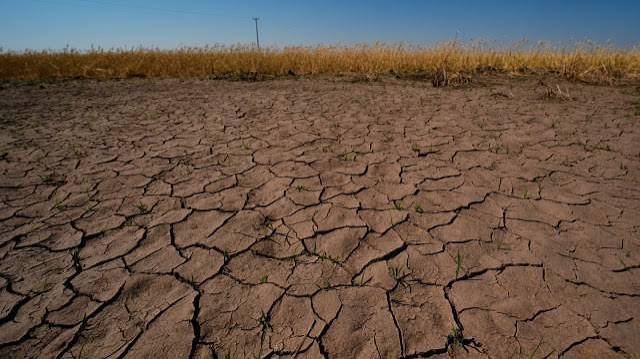
ANDHRA PRADESH: The state government has declared 388 mandals across 21 districts drought-affected for the 2026 Kharif season after rainfall between June and August fell 53.4% below normal. Of the affected mandals, 283 have been classified as severely drought-hit and 105 as moderately affected, putting the scale of the Andhra Pradesh Drought into sharp focus. The government order was issued on October 1 following a September 30 meeting of the High-Level Committee on Drought.
The declaration comes amid concern over the El Nino Impact on the southwest monsoon and mounting pressure on agriculture in drought-hit areas. The worsening Farmer Crisis is particularly serious in Rayalaseema, where a large share of the severely affected mandals are located.
283 Mandals Classified Under Severe Drought
According to The Indian Express, Andhra Pradesh received an average 197.6 mm of rainfall from June 1 to August 31, compared with the normal 424.3 mm. The resulting 53.4% deficit prompted the government to make an early drought declaration rather than wait until the October 31 deadline for the Kharif season.
The order covers Srikakulam, Vizianagaram, Visakhapatnam, Anakapalli, Kakinada, East Godavari, Eluru, Krishna, NTR, Guntur, Bapatla, Palnadu, Prakasam, Markapuram, Kurnool, Nandyal, Ananthapuramu, Sri Sathya Sai, YSR Kadapa, Annamayya and Chittoor.
The Andhra Pradesh Drought classification was made under the Government of India’s Manual for Drought Management, 2016. The assessment considered rainfall and other drought indicators available for June through August.
El Nino Impact Adds To Rainfall Pressure
The government order cited prevailing El Niño conditions alongside the sharp rainfall shortfall when explaining the early declaration. The El Nino Impact therefore forms part of the government’s assessment, although the drought classification itself is based on multiple indicators rather than El Niño alone.
Rayalaseema has emerged as one of the worst-affected regions. Opposition YSR Congress Party leaders said 186 of the 388 drought-declared mandals are in Rayalaseema, including 159 of the 283 mandals classified under severe drought.
The opposition has also alleged that nearly seven lakh borewells had dried up by August and that mango and citrus growers were relying on water tankers to protect orchards. Those figures are opposition claims and should not be treated as independently confirmed government estimates.
Farmer Crisis Triggers Political Pressure
The declaration has intensified the political debate over the Farmer Crisis. YSRCP leaders have accused the state government of acting too late and questioned why Nellore was excluded despite what they described as serious rainfall shortages in several mandals.
Chief Minister N. Chandrababu Naidu has meanwhile argued that linking the Godavari and Cauvery river systems could provide a longer-term response to water shortages across southern India. Speaking in Proddatur, he said greater use of Godavari floodwater could improve water availability in Rayalaseema.
For farmers, however, the immediate concern remains the current Kharif season. The El Nino Impact, prolonged rainfall deficit and water stress have created difficult conditions across large parts of the state.
With more than half of Andhra Pradesh’s mandals now covered by the drought declaration, the Andhra Pradesh Drought has become a major test of the state’s relief response. How quickly assistance reaches affected agricultural communities will be central to the next phase of the Farmer Crisis.