Fed Rate Hike 2026: Federal Reserve Raises Rates to 3.75%-4.00% as Inflation Stays High
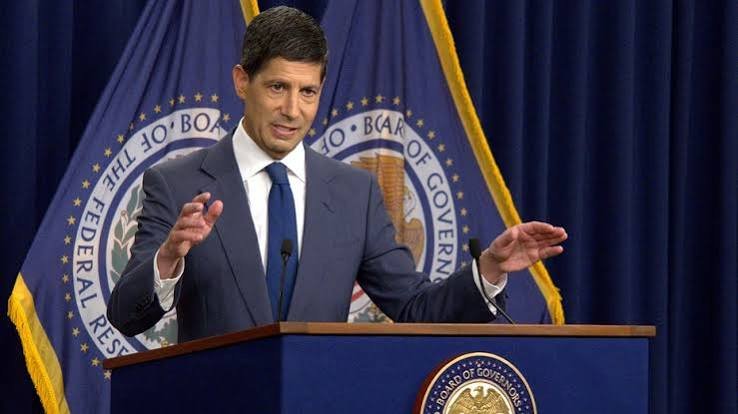
WASHINGTON: The Federal Reserve raised its benchmark interest rate by 25 basis points on September 16, lifting the federal funds target range to 3.75%-4.00% in its first increase since July 2023. The Federal Open Market Committee approved the move unanimously, 12-0, as inflation remained elevated.
Federal Reserve raises benchmark rate
The Federal Reserve interest rate decision followed the central bank’s decision to leave rates unchanged at its July meeting. The September move puts the target range back into a tightening phase after the rate reductions of 2024 and 2025.
In its statement, the FOMC said economic activity was expanding at a solid pace, domestic spending remained resilient and productivity growth and capital investment were strong. It also said inflation remained elevated and that the latest action was intended to support a more timely return to its 2% inflation goal. The Federal Reserve published the decision after its September 15-16 meeting.
Inflation remains a central concern
The Fed rate hike 2026 reflects the central bank’s renewed focus on price stability. The latest Federal Reserve interest rate decision came alongside updated economic projections, while policymakers continued to assess incoming inflation, labour-market and economic data.
The Fed’s statement did not commit policymakers to a fixed path for future rates. Instead, officials said they would continue evaluating incoming information and the balance of risks before making further decisions.
The Federal Reserve interest rate decision therefore marks a significant change from the easing cycle that followed the previous tightening period, particularly as inflation remains above the central bank’s 2% objective.
Markets react to higher US rates
The Fed rate hike 2026 is likely to remain a major factor for bond, currency and equity markets as investors reassess the outlook for borrowing costs. Higher US rates can increase the relative appeal of dollar-denominated assets and tighten global financial conditions.
The move also adds another variable for emerging markets, where higher US yields can influence foreign capital flows, exchange rates and investor appetite. For India, those effects are particularly relevant to the rupee and foreign institutional investment.
Indian markets face fresh pressure
The Fed rate hike 2026 is being watched closely by Indian investors after a volatile week for domestic equities. The Nifty 50 had recovered on September 16, but the market remained focused on crude oil, foreign fund flows and the Fed decision.
Reuters reported that Indian shares were set for a muted start on September 17 after the rate increase, with GIFT Nifty pointing to a largely flat opening. The report also noted that higher US interest rates can reduce the appeal of emerging-market assets such as India.
The Federal Reserve interest rate decision could therefore affect sectors with significant US exposure, the rupee and foreign investment flows, although the eventual impact will also depend on crude prices, domestic economic data and Reserve Bank of India policy.
What comes next
The Fed rate hike 2026 does not determine the path of US monetary policy for the remainder of the year. The FOMC said future decisions would depend on incoming economic information and the balance of risks.
The Fed rate hike 2026 will now be followed closely for evidence on inflation, employment, energy prices and consumer demand. The Federal Reserve interest rate decision has already shifted the policy backdrop toward higher borrowing costs, while investors will assess whether inflation pressure persists and whether additional tightening becomes necessary.