Seven High-Risk Glacial Lakes Identified in Arunachal’s Tawang
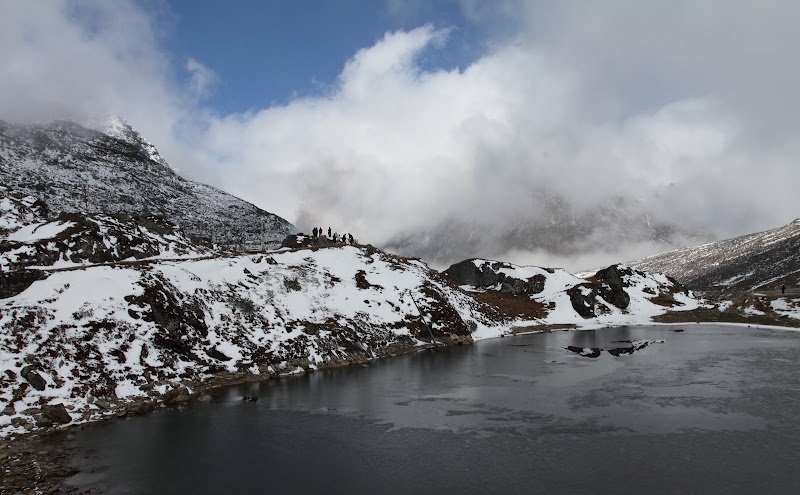
TAWANG, Arunachal Pradesh — Arunachal Pradesh authorities have identified seven high-risk glacial lakes in the Mago area of Tawang district and launched a preparedness programme for communities that could be affected by a potential Glacial Lake Outburst Flood (GLOF).
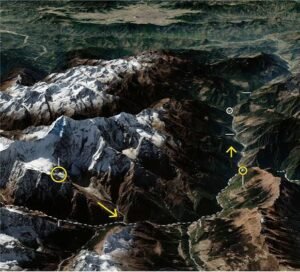
The development comes weeks after a catastrophic flood in Nepal on August 26 that followed a glacier collapse near the Nepal-China border. The Nepal disaster has kept attention on the vulnerability of Himalayan communities to sudden floods and other glacier-related hazards. Nepal’s authorities were still conducting search and rescue operations in September, with more than 1,400 deaths and thousands of people reported missing in the latest official figures cited by international disaster records.
In Tawang, the Arunachal Pradesh State Disaster Management Authority (APSDMA), working with the Tawang District Disaster Management Authority and the State Disaster Response Force, has begun awareness and training activities in Mago under Thingbu Circle.
Six of the seven lakes share a downstream drainage system
According to information released during the preparedness programme, six of the seven identified high-risk lakes share a common downstream drainage system. The drainage route passes through inhabited areas, including Duri village.
Officials have therefore focused the preparedness effort on settlements and installations located along the potential flood path.
The programme has covered residents of Mago as well as personnel from the Indian Army and Indo-Tibetan Border Police stationed in the area. Communities around the Thingbu Hydel area, New Maling and Tongsheng have also been included.
The awareness campaign is expected to be extended to other vulnerable settlements, including Phonda, Chaksam, Grenkhar and Dungshengmang, according to local authorities.
Authorities focus on early warning and evacuation
APSDMA Deputy Director Dorjee Khandu stressed the need for locally effective warning systems so that residents can receive alerts quickly if a GLOF occurs.
The preparedness programme includes identifying evacuation routes and safe locations, along with community-level training on how to respond during an emergency.
Residents have also been briefed on the location, altitude, and distance of the identified lakes from nearby settlements. Officials explained the possible consequences of a sudden outburst and the time floodwaters could potentially take to reach vulnerable locations.
A State Disaster Response Force team led by Sangey Thinley conducted practical sessions covering first aid, basic search-and-rescue techniques and the use of rescue equipment. Mock drills were also held as part of the training.
What is a glacial lake outburst flood?
A GLOF occurs when water stored in or around a glacial lake is released suddenly. The resulting flood can move rapidly through steep mountain valleys, carrying large quantities of water, ice, mud, and debris.
The danger is particularly significant where settlements, roads, hydropower infrastructure, or other facilities are located downstream.
The identification of seven high-risk lakes does not mean that a glacial lake outburst is currently occurring or that a particular lake is certain to fail. The current action in Tawang is focused on risk awareness, monitoring, early warning, and preparedness.
That distinction is important because the term “high-risk” refers to the potential consequences associated with the lakes and their surroundings, rather than confirmation of an imminent GLOF.
Nepal disaster puts Himalayan risks under renewed scrutiny
The August 26 disaster in Nepal demonstrated how quickly a glacier- and landslide-related event can develop into a destructive flood.
Nepal’s government has described the Bhote Koshi flooding as causing extensive loss of life and damage to homes, roads, bridges and hydropower facilities. Search-and-rescue operations continued for weeks after the event.
By September 20, figures published through a Nepal government flood-update portal, based on information from the National Disaster Risk Reduction and Management Authority and Nepal Police, listed 1,451 casualties and 5,786 people missing in the affected areas.
The scale of that disaster has also prompted wider attention to preparedness across the Himalayan states of India.
On September 3, Union Home Secretary Govind Mohan chaired a meeting to review preparedness against GLOFs and snow avalanches in Himalayan states and Jammu and Kashmir. The meeting included representatives of Arunachal Pradesh, the National Disaster Management Authority, Central Water Commission, India Meteorological Department and other agencies.
The review specifically covered early-warning systems, monitoring vulnerable glacial lakes, identifying high-risk locations and flow paths, disseminating alerts and strengthening evacuation and emergency response mechanisms.
Tawang communities being trained for a possible emergency
The current programme in Mago is aimed at ensuring that residents understand what to do if authorities issue an emergency warning.
Officials have emphasised timely evacuation rather than waiting for floodwaters to reach populated areas. The training also seeks to ensure that information about evacuation routes and safe locations reaches individual households.
The programme is being extended beyond Mago to additional downstream communities, while a separate awareness programme has also been conducted in Chagzam village under Kyidphel Circle. Residents along downstream areas of the Tawang Chhu have been briefed on GLOF risks and the importance of following official advisories.
For now, the principal response is preparedness rather than an announcement of an active glacial flood emergency.
The identification of the seven lakes gives disaster-management authorities a defined set of locations on which to concentrate monitoring, warning systems, and community preparedness. Further assessments and local response measures will determine how the risk is managed in the vulnerable downstream areas.