
Nepal-China Flood Horror Explodes Past 1,200 Dead as Thousands Remain Missing
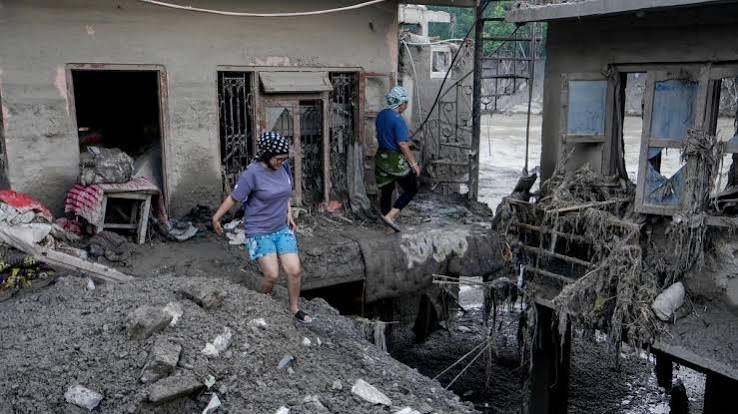
KATHMANDU: The Nepal Floods 2026 have become one of the deadliest disasters in the region’s recent history, with the combined death toll across Nepal and China reaching at least 1,220 and nearly 4,800 people still missing.
The latest figures mark a devastating escalation from the early stage of the Himalayan Disaster, when The Reportiva reported 22 deaths and 384 travellers missing. The disaster struck on August 26 after a massive glacier collapse near the Nepal-China border triggered destructive floods and mudslides across mountain valleys.
Nepal’s toll alone rises above 1,200
Nepal’s National Disaster Risk Reduction and Management Authority reported that 1,204 bodies had been recovered in the country, while 4,216 people remained missing. China had reported 16 deaths and 546 missing on its side of the border, bringing the combined toll to 1,220 dead and 4,762 missing, according to Anadolu.
That makes the current Nepal Floods 2026 casualty figure dramatically higher than the earlier 579-death toll documented in The Reportiva’s previous coverage.
The death toll and missing-person count may continue to change as search teams reach isolated communities and authorities reconcile reports from Nepal and Tibet.
Hundreds may still be trapped in hydropower tunnels
Around 900 personnel linked to hydropower stations were among those missing in Nepal, according to the latest official data cited by Anadolu.
Rescuers have concentrated on tunnels at damaged hydropower projects, where some workers may have survived inside underground chambers. However, hopes have diminished as the search enters its second week.
Reuters reported that rescue teams were still trying to reach workers believed trapped underground, making the tunnel operations one of the last major possibilities for finding survivors.
A glacier collapse triggered the catastrophe
The Himalayan Disaster began when a glacier and surrounding rock collapsed high in the mountains near the Nepal-Tibet border. The resulting avalanche of ice and debris sent a devastating surge through downstream river systems.
The latest scientific assessment does not support earlier claims that an earthquake was the established trigger. The Reportiva’s analysis of the glacier collapse found that evidence from satellite imagery and scientific assessments pointed to the collapse itself as the source of the seismic signal.
Scientists are still investigating exactly why the glacier failed. While warming temperatures and instability in the Hindu Kush Himalaya can increase the risk of such hazards, researchers have cautioned against claiming that climate change has been conclusively proven to have caused this specific collapse.
Thousands remain unaccounted for
The Nepal Floods 2026 have affected around 1.6 million people, according to official data cited by Anadolu. More than 21,000 security personnel have been mobilised in Nepal, while roughly 12,000 people have been rescued.
Among those still missing are hundreds of foreign nationals. The disaster has also destroyed homes, roads, bridges and hydropower infrastructure, while rain and unstable terrain continue to complicate search operations.
Why this disaster is drawing global alarm
The scale of the Himalayan Disaster has renewed concern about cascading hazards in the world’s most fragile mountain regions, where glacier loss, unstable slopes and major infrastructure projects can create severe risks.
The Nepal Floods 2026 are still an evolving emergency, and the number of victims is likely to remain under review for days as rescuers search destroyed settlements, river corridors and damaged hydropower sites.
For families of the missing, the disaster remains a race against time.