Akhilesh Yadav Drops Third Rajya Sabha Candidate: Why SP Backed Away From a Fight in UP
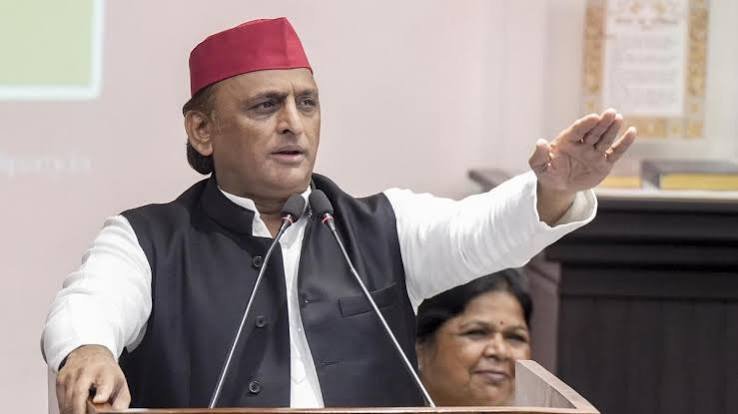
LUCKNOW: Akhilesh Yadav has decided against fielding a third candidate in the UP Rajya Sabha Polls, ending speculation over a contest for the 10 Rajya Sabha seats from Uttar Pradesh. The move leaves eight BJP candidates and two Samajwadi Party nominees set to be elected unopposed, subject to the completion of the election process.
The decision came on the final day for filing nominations on October 6. It followed several days of speculation that the SP could attempt to challenge the BJP’s eighth candidate by bringing in additional support from outside its own numbers.
Why Akhilesh Yadav Stepped Back
The biggest factor was numbers.
The SP had already nominated veteran leader Ram Gopal Yadav and Dhanraj Parimal Nathwani. The party had enough strength to secure two seats but would have needed additional support to win a third. Earlier, SP leaders had indicated that a third candidate could be fielded if the required numbers were secured.
That calculation created a political risk. A third candidate would have required the SP to attract support beyond its dependable numbers, creating the possibility of cross-voting and an embarrassing defeat.
On October 6, Akhilesh Yadav effectively ended the speculation with a post on X saying the party’s focus was no longer on three Rajya Sabha seats but on all 403 Assembly seats in Uttar Pradesh.
What The Decision Means For The UP Rajya Sabha Polls
The UP Rajya Sabha Polls are scheduled for October 16, with 10 seats from Uttar Pradesh up for election. The BJP has nominated eight candidates, while the SP has nominated two.
With no third SP candidate entering the race, there is no longer a contest for the available seats. All 10 nominees are therefore expected to be elected without a vote, provided the nominations clear scrutiny and no candidate withdraws before the October 9 deadline.
The BJP’s eight nominees include Dharampal Singh, Radhakant Ojha, Prakash Pal, Vidyasagar Sonkar, Gopi Krishna Pandey, Priyanka Singh Rawat, Ram Pratap Singh Chauhan and Shruti Gangwar.
The 2027 Assembly Election Changes The Calculation
For the Samajwadi Party, the decision is less about surrendering a Rajya Sabha seat and more about avoiding a potentially damaging political test.
The party is preparing for the 2027 Uttar Pradesh Assembly election, where control of the state’s 403-member House will be at stake. A failed attempt to win a third Rajya Sabha seat could have exposed divisions among SP legislators at a time when party unity is strategically important.
The calculation also comes against a wider backdrop of political competition in Uttar Pradesh. Recent developments involving BJP legislators and the state government have kept the political focus firmly on the state’s evolving electoral equations.
BJP Gains Eight Seats Without A Contest
The decision gives the BJP a clear advantage in the immediate Rajya Sabha arithmetic. Eight BJP nominees are now positioned to enter the Upper House from Uttar Pradesh, while the SP will retain two seats.
The outcome also avoids the uncertainty that would have followed a contested election, including possible cross-voting and last-minute shifts among legislators.
For Akhilesh Yadav, however, the larger calculation appears to be the 2027 Assembly battle. By choosing not to force a third-seat contest, the SP can keep its legislators focused on the much larger electoral contest ahead.
According to the Indian Express, the decision was shaped by concerns over cross-voting and the potential impact of a failed Rajya Sabha challenge on the party’s preparations for the 2027 polls.
The immediate result is clear: the UP Rajya Sabha Polls are heading towards an unopposed outcome, while the Samajwadi Party has shifted its political attention from securing a third Upper House seat to the much larger battle for Uttar Pradesh’s 403 Assembly constituencies.