UPI MDR Charges: Payments Above ₹2,000 to Attract 0.4% Fee From October 15
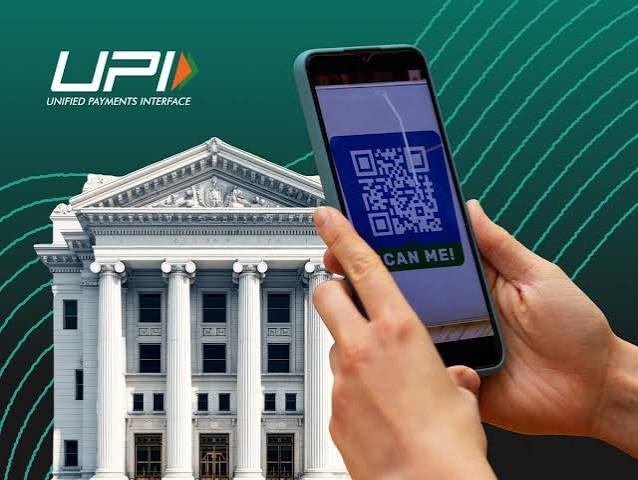
NEW DELHI: UPI MDR charges will apply to specified Person-to-Merchant (P2M) transactions above ₹2,000 from October 15, 2026, under a new framework notified by the National Payments Corporation of India (NPCI). The standard rate is 0.4%, with a maximum MDR of ₹300 for transactions of ₹75,000 and above. NPCI’s MDR framework
New UPI charges begin October 15
The new framework means eligible UPI payments above ₹2,000 will attract the 0.4% merchant-side MDR. A ₹3,000 eligible transaction, for example, would generate an MDR of ₹12, while a ₹50,000 transaction would carry ₹200.
The rate stops increasing once the transaction reaches ₹75,000, with the MDR capped at ₹300. The new UPI MDR charges apply to specified P2M transactions, not ordinary transfers between individuals.
Consumers will not be directly charged
For ordinary users, the key point is that UPI payments above ₹2,000 do not mean a new fee will automatically appear on the customer’s payment.
NPCI’s framework keeps UPI services free for consumers. Person-to-person payments remain free, while P2M transactions up to ₹2,000 are also outside the new MDR structure. More than 95% of low-value P2M transactions fall below the ₹2,000 threshold, according to the NPCI FAQ reported by The Times of India.
The UPI MDR charges are part of the payment ecosystem’s merchant-side pricing structure rather than a new consumer transaction fee.
Railways, fuel and other sectors get flat rate
Not every eligible transaction will use the standard percentage rate. Certain categories, including railways, telecom, insurance and fuel, will face a flat ₹5 MDR on transactions above ₹2,000 under the new framework.
This means a ₹5,000 payment in one of these specified categories would not simply attract 0.4% or ₹20. The applicable category-specific rate would instead determine the MDR.
The distinction matters because the phrase UPI payments above ₹2,000 covers several different merchant categories with different treatment.
Small merchants remain protected
NPCI has also retained exemptions for eligible small merchants. Small businesses meeting the prescribed P2PM criteria can continue receiving UPI payments without MDR, even when an individual transaction exceeds ₹2,000.
The framework is therefore not a blanket charge on every shopkeeper receiving a higher-value UPI payment.
The new UPI MDR charges are targeted at specified merchant transactions, while the system continues to protect small merchants and everyday low-value payments.
What changes for UPI users?
From October 15, users will need to distinguish between UPI payments above ₹2,000 made to merchants and ordinary person-to-person transfers.
Sending ₹10,000 to a family member will remain free. Paying an eligible merchant ₹1,500 will also remain outside the standard MDR. A ₹3,000 payment to an eligible merchant, however, can attract the 0.4% merchant-side charge.
The introduction of UPI MDR charges marks a significant change after years of zero-MDR UPI usage. Reuters reported that the framework is intended to create a revenue stream for the payment ecosystem while supporting infrastructure, cybersecurity and related services.
For consumers, however, UPI remains free for routine transactions under the applicable rules. The main change from October 15 concerns how selected higher-value merchant payments are processed and charged within the payment ecosystem.