MEA Travel Advisory: What Indian Citizens in Conflict Zones Need To Know About Emergency Helplines
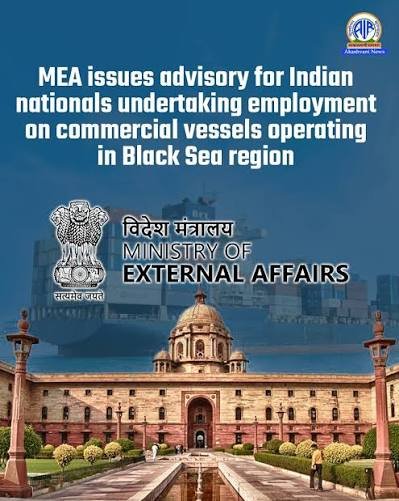
NEW DELHI: Indian nationals travelling to or living in areas affected by armed conflict are being advised to follow country-specific security instructions issued by the Ministry of External Affairs Travel Advisory system and stay in contact with the nearest Indian mission. The government maintains travel advisories for several countries and provides emergency assistance through Indian embassies and consulates.
MEA Advisory Indian Citizens Covers Conflict-Hit Regions
The MEA Advisory Indian Citizens framework is not a single blanket warning covering every conflict zone. Instead, the ministry issues country-specific advisories based on the security situation and updates their status when necessary.
The official MEA website currently lists an Iran travel advisory issued on April 7, 2026, with the status shown as remaining valid. Earlier advisories concerning travel to Iran are also listed on the ministry’s website.
Indian nationals should therefore check the advisory applicable to their destination before travelling and follow instructions issued by the relevant Indian embassy or consulate.
The Ministry of External Affairs Travel Advisory system has become particularly relevant during periods of military escalation, when commercial flights, border crossings and local transport can be disrupted with little warning.
Emergency Helplines Remain Available
Indian missions abroad maintain emergency contact arrangements for nationals requiring urgent assistance. The ministry also maintains an official directory of emergency contacts for its missions and posts.
The Foreign Ministry Emergency Helpline system can differ from one country or mission to another. Indian citizens should use the emergency number published by the embassy or consulate covering their location rather than relying on an unverified number circulating on social media.
The MEA’s official website also provides access to a directory of emergency contacts and 24/7 helplines maintained by missions in several regions.
What Indian Citizens Should Do
The MEA Advisory Indian Citizens guidance is particularly relevant for people already present in areas experiencing armed conflict or severe instability.
Travellers should keep their passports and essential documents accessible, monitor official announcements and maintain communication with their families. They should also register with the nearest Indian mission where registration facilities are provided.
The Foreign Ministry Emergency Helpline should be treated as a channel for urgent assistance, not as a replacement for local emergency services.
Indian citizens should also avoid travelling into restricted or conflict-affected areas in violation of local authorities’ instructions.
Advisories Can Change With Security Conditions
The Ministry of External Affairs Travel Advisory position can change as security conditions develop. A destination that remains accessible today may face flight cancellations, border restrictions or other disruptions if fighting intensifies.
Recent crises have also shown the importance of direct communication between Indian missions and citizens. During the Nepal floods, for example, Indian authorities coordinated assistance for affected nationals and issued emergency contact arrangements as communications were disrupted.
The Foreign Ministry Emergency Helpline therefore remains an important part of India’s consular response during overseas emergencies.
For the latest position, Indian nationals should rely on the official MEA advisory applicable to their destination and information issued by the concerned Indian mission rather than unverified social-media posts.