Iran’s Retaliation Sparks Fresh Alarm: Ballistic Missiles Fired at US Bases in Jordan After Larak Island Strike
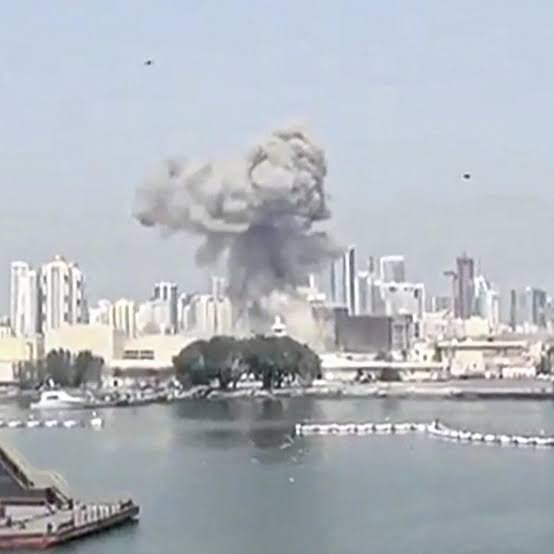
AMMAN: The Iran-US conflict escalated sharply after Iran’s Islamic Revolutionary Guard Corps said it fired ballistic missiles at two US military bases in Jordan, retaliating for American strikes on Iranian launchers on Larak Island.
The exchange marked a fresh escalation in Middle East tensions after weeks of relatively reduced direct military action. According to Reuters, the IRGC said the attack targeted the King Hussein and Al Azraq bases in Jordan.
Iran Claims Retaliatory Strike on US Bases
The IRGC said its combined operation involved missiles and drones and was carried out in response to the US attack on Larak Island. Iran claimed it struck military infrastructure at the targeted bases, but those claims of damage could not immediately be independently verified.
Jordanian authorities said they intercepted eight missiles, with no casualties or damage reported, according to Reuters. The ballistic missiles Jordan attack therefore remains subject to sharply different accounts from Tehran and Jordan.
The latest Iran-US conflict also underscores the risk facing countries hosting American military facilities as the confrontation spreads across the region.
What Triggered the Attack?
The US strike came first. Reuters reported that US forces struck two Iranian launchers on Larak Island on August 30, citing a US official.
US Central Command said the IRGC rocket launchers were linked to forces posing what Washington described as an imminent threat to shipping in the Strait of Hormuz. The US said Iranian personnel were allegedly preparing to launch rockets carrying sea mines into the strategic waterway.
Iran said the attack killed and wounded military personnel and civilians, although the IRGC did not publicly provide a confirmed casualty count. That distinction is crucial as the Iran-US conflict develops rapidly.
Jordan Says Missiles Were Intercepted
Iran described its response as an attack on US military positions, while Jordan reported that eight incoming missiles were intercepted. The exact number launched was not immediately confirmed by both sides.
The ballistic missiles Jordan operation targeted bases identified by Iranian media as King Hussein and Al Azraq, according to Reuters. The ballistic missiles Jordan strikes raised the danger of a wider regional confrontation, even though Jordan reported no casualties or damage from the intercepted missiles.
The escalation comes as Trump’s wider Middle East policies remain central to Washington’s regional strategy.
Why Larak Island Matters
Larak Island sits near the Strait of Hormuz, one of the world’s most strategically important shipping routes. Washington said the two IRGC rocket launchers were targeted because they were allegedly connected to a threat involving naval mines and commercial shipping.
The action was the first known US strike on Iranian territory since late July, Reuters reported. Iran’s subsequent response has pushed Middle East tensions higher and raised fears of further attacks.
The incident also comes amid a broader geopolitical climate in which major powers are attempting to manage rivalries without eliminating them, as seen in India and China’s efforts to seek stability without ending strategic rivalry.
Trump Vows a Strong Response
US President Donald Trump later said Washington would respond forcefully to Iran’s attacks. Time reported that Trump told Fox News the United States would “hit them hard” after the missile attack.
The Iran-US conflict has now returned to direct military confrontation after a month-long lull. The IRGC rocket launchers’ strike on Larak Island was followed by the ballistic missiles Jordan retaliation, creating a dangerous new cycle of escalation.
With Middle East tensions rising again, the immediate question is whether the latest exchange remains limited or triggers a wider confrontation involving more countries and military bases across the region.