Xi Jinping and PM Modi Reach ‘Most Important Consensus’: India-China Ties Enter a New Strategic Phase
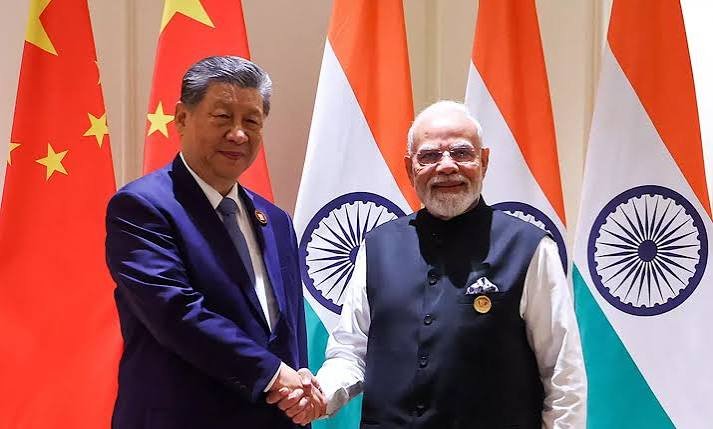
NEW DELHI: Prime Minister Narendra Modi and Chinese President Xi Jinping have reached what Beijing has described as their “most important consensus” in their latest meeting: India and China should be partners rather than rivals. The September 12 talks on the sidelines of the 18th BRICS Summit in New Delhi mark another step in a cautious effort to improve ties while keeping tensions along the disputed frontier under control.
What the Modi Xi Jinping Consensus means
The Modi Xi Jinping Consensus is centred on a change in strategic framing, rather than a new treaty or a final settlement of the boundary dispute. According to the Chinese Foreign Ministry, the leaders held a candid and in-depth discussion on strategic, long-term issues and agreed that the two countries should draw on each other’s strengths, support one another and pursue common development.
Beijing also said Modi stressed that India’s foreign policy is independent of third-party influence. Modi said India wanted to be a partner, not a rival, to China, while viewing the other country’s development as an opportunity rather than a challenge.
Border stability remains central
The India China Border Relations 2026 picture remains defined by two parallel tracks: improving political ties while managing an unresolved boundary question. The leaders agreed to jointly maintain peace and tranquillity in border areas and to properly handle disputes and disagreements.
That distinction is crucial. The India China Border Relations 2026 agenda has not produced a final border settlement; instead, the latest understanding focuses on preventing frontier tensions from damaging the broader relationship.
The development follows months of renewed diplomatic engagement. The Reportiva previously examined this dynamic in its report on India-China stability without ending strategic rivalry, which provides useful context for the latest shift.
Trade and cooperation move higher
Economic ties are another major part of the Modi Xi Jinping Consensus. Beijing said bilateral trade has reached a new high and that both sides should address economic and trade concerns in a balanced manner while promoting mutually beneficial cooperation.
The leaders also backed stronger people-to-people exchanges and closer coordination in multilateral forums. That gives the political thaw practical areas to develop, although the pace of any deeper economic normalisation will depend on how both governments address their remaining concerns.
The BRICS setting adds another layer. The Reportiva had earlier covered the wider diplomatic stakes surrounding the gathering in its report on BRICS diplomacy in New Delhi.
BRICS creates another channel for engagement
The Modi Xi Jinping Consensus extends beyond bilateral relations because India and China are both major BRICS members. The leaders agreed to support each other during their respective BRICS chairmanships and to deepen cooperation among Global South countries.
For New Delhi, that creates room for engagement with Beijing while maintaining an independent foreign-policy position. For Beijing, the partnership language offers a basis for greater coordination with India on development, multilateral cooperation and regional stability.
What changes — and what does not
The India China Border Relations 2026 outlook is therefore more cautious than the phrase “partners, not rivals” might imply. The meeting signals an effort to reduce strategic friction, but it does not erase the underlying boundary dispute or guarantee that disagreements will disappear.
The Modi Xi Jinping Consensus is better understood as a political direction: preserve peace along the border, expand practical cooperation, improve mutual understanding and prevent disputes from escalating.
That leaves the India China Border Relations 2026 story as one of controlled improvement rather than a final breakthrough. The next test will be whether the leadership-level understanding produces sustained progress in border management, economic engagement and regular diplomatic communication.