Warren Buffett Retires as Berkshire Hathaway Chairman, Howard Buffett Takes Over
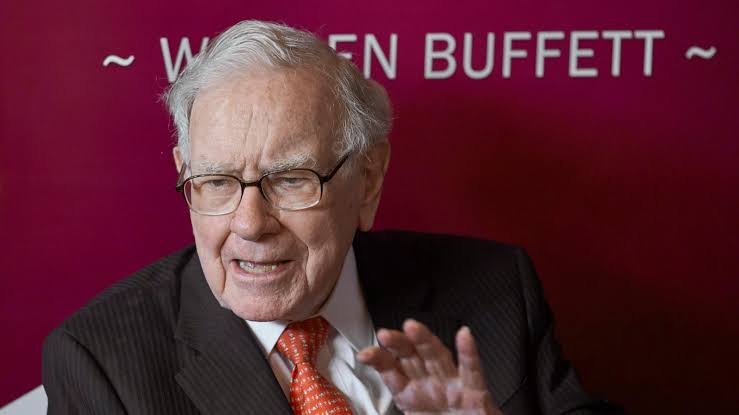
Warren Buffett has stepped down as chairman of Berkshire Hathaway, ending more than five decades in the position and completing another major stage of the leadership transition at the US conglomerate.
Berkshire announced on September 18 that Buffett, who recently turned 96, will become chairman emeritus with immediate effect. He will remain a member of the board and continue to provide what the company described as his judgment and perspective.
His son, Howard G. Buffett, has been elected chairman of the board. Howard Buffett has served as a Berkshire director since 1993. Susan L. Decker will remain the company’s lead independent director.
The change separates the ceremonial and governance role Buffett held for decades from the day-to-day management of Berkshire, which is now led by Greg Abel.
A planned transition
The move was presented by Berkshire as part of its long-standing succession plan rather than an unexpected leadership change.
Buffett had already handed the chief executive role to Abel at the beginning of 2026. Berkshire’s board approved Abel’s appointment in May 2025 after Buffett announced that he would recommend Abel as his successor. Buffett remained chairman at the time.
In his latest letter to shareholders, Buffett said Abel had exceeded his expectations and had already been making the company’s important decisions for some time.
“So the timing is right to complete the transition,” Buffett wrote. He said he would become chairman emeritus and remain a director, while Howard would succeed him as chairman.
Buffett also made a distinction between the two roles. “Greg runs the company; Howard will guard its culture and values,” he wrote.
Howard Buffett takes the board chair
Howard Buffett, Warren Buffett’s middle child and second son, has been a Berkshire director for 33 years.
The company said he has served since 1999 as chairman and chief executive of the Howard G. Buffett Foundation, which focuses on global food security and conflict mitigation. He has also served on the boards of several public and private companies, including Coca-Cola, Archer Daniels Midland and Lindsay Corporation.
His appointment does not make him Berkshire’s chief executive. Abel remains CEO and is responsible for running the company’s operations.
That distinction is central to Berkshire’s current succession structure. Warren Buffett’s announcement indicates that Howard’s principal responsibility will be protecting the corporate culture and values that Buffett developed over decades, while Abel continues to run the business.
Buffett’s six-decade Berkshire legacy
Buffett first became involved with Berkshire Hathaway in 1965 and served as chairman from 1970 until Friday’s transition.
During his tenure, Berkshire evolved from a struggling textile manufacturer into a sprawling conglomerate with businesses spanning insurance, rail transportation, energy, manufacturing, retail and other sectors. Its subsidiaries include GEICO, BNSF, Berkshire Hathaway Energy and Dairy Queen.
The company’s recent financial results show the scale of the enterprise Buffett leaves behind. Berkshire reported its second-quarter and first-half 2026 results in August, with the company warning investors that quarterly investment gains and losses can significantly distort reported net earnings because of changes in the value of its equity holdings.
Buffett’s investment record and Berkshire’s structure have also made his statements and decisions closely watched by shareholders and financial markets.
His departure from the chairmanship therefore marks a significant governance change even though he is not leaving the company entirely.
Buffett remains a Berkshire director
The transition does not amount to a complete departure.
Under the company’s announcement, Buffett will remain on Berkshire’s board as chairman emeritus and continue offering his perspective. He also said in his shareholder letter that he intends to remain a Berkshire shareholder.
Buffett described the timing as appropriate after more than 60 years with the company.
“I have served Berkshire since 1965,” he wrote, adding that he remained confident about what lies ahead for the company.
His letter also acknowledged the limits of time. “Father Time always wins,” Buffett wrote, while saying it had been generous enough to allow him to see Berkshire reach a point at which he felt confident about its future.
Berkshire’s leadership after Buffett
The new structure leaves three distinct roles at the center of Berkshire’s governance.
Abel is CEO and oversees the company’s operations. Howard Buffett is chairman of the board and has been designated as the guardian of Berkshire’s culture and values. Warren Buffett remains a director and chairman emeritus.
Berkshire’s September 18 announcement described the arrangement as consistent with its existing succession plan. Abel said Buffett’s influence on Berkshire and its owners was unmatched in the company’s history and that the culture Buffett built would remain central to the organization.
For shareholders, the immediate change is therefore less about a new operating chief than about the completion of Buffett’s withdrawal from the company’s formal leadership.
The next phase of Berkshire will be led operationally by Abel, with Howard Buffett taking responsibility for the board chair and Warren Buffett continuing to have a formal connection to the company as a director and chairman emeritus.