Iran’s 7 Conditions for US Talks: Frozen Funds, War and Naval Blockade
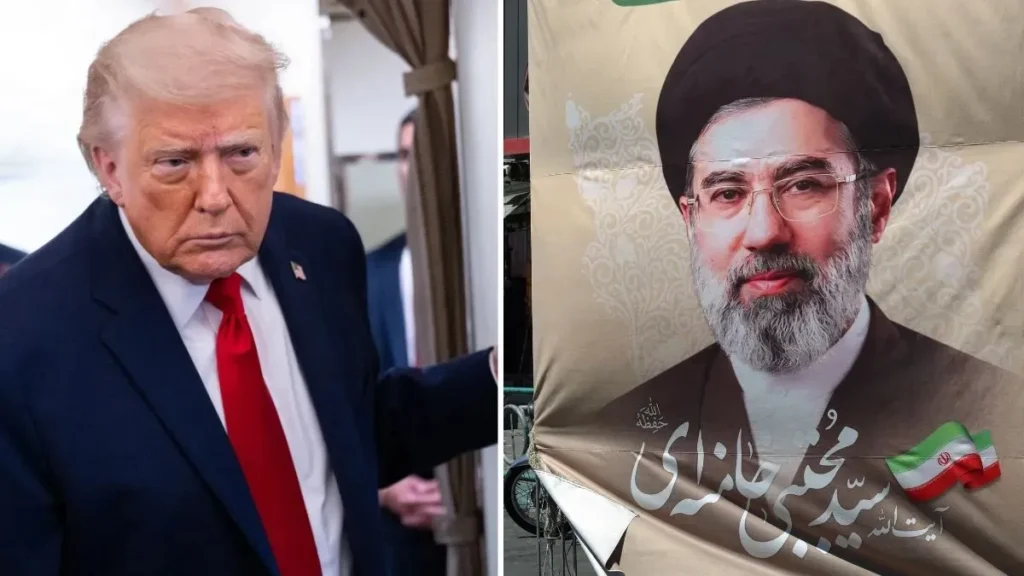
Iran has conveyed seven conditions to the United States through Qatar as a possible basis for restarting negotiations aimed at ending the ongoing war, according to Mohsen Rezaei, secretary of Iran’s Supreme National Security Council.
Rezaei said Qatar had passed Tehran’s conditions to Washington and that Iran was waiting for President Donald Trump’s response. He did not publicly spell out all seven conditions in his statement, but identified several key demands in an interview with Al Jazeera, including an end to fighting, the release of frozen Iranian funds and an end to the US naval blockade.
The Iranian official also warned that Tehran was prepared for what he described as a “decisive war” if Washington rejected the conditions.
What Iran has publicly identified
Rezaei said Tehran wants the war to end “on all fronts” and is demanding the release of Iranian funds that remain frozen. He also called for the lifting of the US naval blockade.
In his interview with Al Jazeera, Rezaei indicated that Iran’s broader position includes demands that Washington refrain from interfering in Iran’s internal affairs, stop cooperating with groups Tehran considers opponents, and halt military aggression against Iranian territory.
The precise seven-point document communicated through Qatar has not been publicly released in full by Iran, meaning the complete list should not be treated as independently verified.
Some secondary reports have published a seven-item list that includes ending military operations, releasing frozen assets, lifting the naval blockade, removing economic and political sanctions, withdrawing US naval and air forces from the region, paying war reparations and ending threats or insults. However, those additional points have not been independently confirmed in the primary statements reviewed for this report.
For that reason, the three demands most consistently and directly attributed to Rezaei are the end of the war, release of frozen funds and lifting of the naval blockade.
Tehran says Qatar has delivered the message to Washington
Rezaei said Qatar remains the principal channel carrying the Iranian position to Washington. Qatar and Pakistan have been involved in efforts to revive contacts between Tehran and Washington after an earlier memorandum of understanding expired.
Iran’s latest position combines an offer of diplomatic engagement with a warning that it is prepared for further military confrontation.
“We remain in contact with the mediator Qatar, which has conveyed our conditions to Washington with the aim of ending the war. We are awaiting President Trump’s response,” Rezaei said, according to Al Jazeera.
In a separate post on X on September 19, Rezaei said Iran had announced seven conditions for beginning negotiations and argued that Washington would have to accept Iran’s stated rights and conditions to move forward.
Iran warns of further military escalation
Rezaei said Tehran was not ruling out another US strike and described the possibility as significant based on Iranian military assessments.
He said Iran’s military planning had changed following earlier rounds of fighting and that Tehran was focusing on US naval assets stretching from the Persian Gulf through the Gulf of Oman and into the Arabian Sea.
Rezaei also claimed Iran had recently test-fired a multi-warhead anti-ship missile near a US vessel or aircraft carrier. That claim is an Iranian assertion and was not independently verified in the sources reviewed for this article.
He warned that a future Iranian response could extend to US military bases in the region and American commercial interests and companies operating there.
At the same time, Rezaei said Tehran’s objective was to bring the conflict to an end as soon as possible.
Nuclear policy remains another point of tension
The Iranian official also addressed Tehran’s nuclear policy, saying Iran had not decided to withdraw from the Nuclear Non-Proliferation Treaty.
He warned, however, that further US pressure or other international action could influence that position. Rezaei said Iran’s stated nuclear doctrine remained unchanged and referred to a religious decree against nuclear weapons.
The nuclear issue remains central to the broader dispute between Washington and Tehran. Earlier this month, Iran criticised an International Atomic Energy Agency Board of Governors resolution referring its nuclear file to the UN Security Council and warned that continued pressure could affect countries’ willingness to remain within the non-proliferation system.
Strait of Hormuz remains tied to negotiations
The Strait of Hormuz is another major issue in the dispute.
Rezaei said Iran and Oman had come close to reaching an arrangement concerning the waterway before the proposal was shelved. He said the framework remained available but could require wider regional approval before being announced.
The issue has significant international economic consequences because the strait is a major route for global energy shipments. Reuters reported earlier this month that efforts to negotiate arrangements for reopening the waterway had encountered setbacks, while Gulf states continued to pursue diplomacy with Tehran.
Earlier reporting also indicated that Iran had tied reopening the strait to conditions including the end of the war and the release of Iranian funds held abroad.
Washington has not yet accepted Tehran’s terms
As of the latest reporting reviewed for this article, Tehran says it is awaiting Trump’s response to the conditions. No US acceptance of Iran’s seven conditions has been reported.
The diplomatic message comes as Trump weighs the next phase of the US military campaign. Reuters reported on September 16 that Trump had expressed hope that the war could be nearing an end, while subsequent reporting said he was considering whether to resume major military operations.
The US and Iran also remain engaged indirectly through regional intermediaries. The United States has permitted a core Iranian delegation to attend the UN General Assembly in New York, including Iranian President Masoud Pezeshkian and Foreign Minister Abbas Araqchi, despite the continuing conflict.
For now, the diplomatic channel remains open but highly conditional. Iran says negotiations can begin only after its demands are addressed, while also maintaining that it is prepared for continued military confrontation.
The full seven-point list has not been publicly documented in a primary source reviewed for this report, leaving the exact scope of Tehran’s conditions unclear. What is clear is that Iran is linking any renewed negotiations to an end to hostilities, access to frozen funds and changes to the US military posture around Iranian waters.