ISRO Gaganyaan Engine Test Hits 22-Tonne Mark as Human Spaceflight Preparations Advance
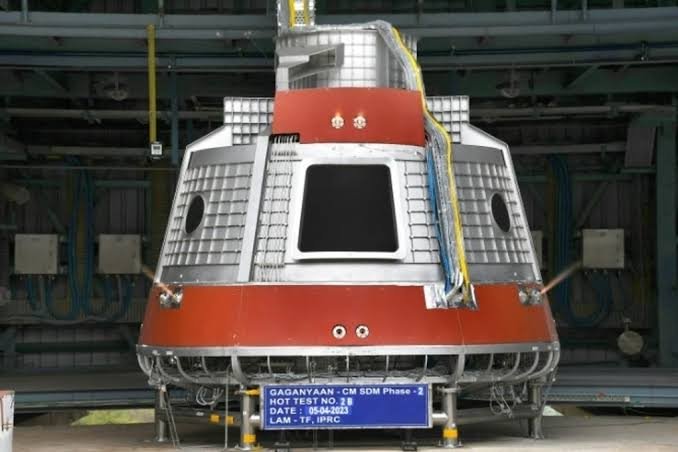
MAHENDRAGIRI, TAMIL NADU: The ISRO Gaganyaan Engine Test programme recorded another significant propulsion milestone after a CE20 cryogenic engine completed a flight-acceptance hot test at 22-tonne thrust on September 9, 2026, at the ISRO Propulsion Complex in Mahendragiri. The test was conducted for the LVM3-M7 mission, while equipment intended for the Gaganyaan programme was also successfully demonstrated. According to ISRO, the engine met all test objectives.
What The ISRO Gaganyaan Engine Test Actually Covered
The latest ISRO Gaganyaan Engine Test involved the CE20 cryogenic engine, which powers the upper stage of the LVM3 launch vehicle. ISRO said the engine was tested at an uprated thrust level of 22 tonnes as part of its flight-acceptance process for the seventh operational LVM3 mission, known as LVM3-M7.
The test also demonstrated the Liquid Oxygen Tank Pressurisation Module, or LTPM, intended for the C32 stage being developed for Gaganyaan. This makes the latest test relevant to the Gaganyaan Space Mission, although the engine itself was identified for the LVM3-M7 operational flight rather than specifically for the first crewed launch.
The distinction matters because descriptions of the event as a direct engine test for an upcoming uncrewed Gaganyaan flight would be incomplete. The latest test was primarily a flight-acceptance test for LVM3-M7, with a Gaganyaan-related propulsion component demonstrated during the operation.
Why The Milestone Matters For Gaganyaan
The CE20 engine has already completed human-rating qualification for Gaganyaan. ISRO said in February 2024 that four CE20 engines had undergone 39 hot-firing tests covering different operating conditions, completing the ground qualification programme required for human-rated missions.
The latest Gaganyaan Space Mission milestone therefore adds to an engine qualification programme that has been running for several years. Earlier testing established the CE20’s suitability for human-rated LVM3 missions, while subsequent work has focused on higher-thrust operation and additional propulsion technologies.
India is also preparing other components required for its first crewed spaceflight. The wider programme includes testing of crew-module systems, service-module propulsion and parachute systems. ISRO’s launch planning has also included the first uncrewed Gaganyaan flight, which is part of the sequence leading towards human spaceflight.
CE20 Engine To Support LVM3-M7 Mission
ISRO said the tested engine will be refurbished and assembled with the C32 flight stage for the LVM3-M7 mission, which is scheduled for the fourth quarter of 2026. The C32 configuration uses the CE20 at an uprated 22-tonne thrust level to increase LVM3 payload capability.
For ISRO Human Spaceflight, the importance of the test lies in the continued development of hardware and systems that will support the human-rated LVM3 architecture. The agency has already qualified the CE20 for Gaganyaan and continues to test propulsion technologies connected with future LVM3 missions.
The ISRO Human Spaceflight programme still requires several integrated systems and mission demonstrations before crewed operations. The latest engine test is therefore best viewed as one part of a broader qualification and mission-preparation campaign.
The Gaganyaan Space Mission is being developed as India’s human-spaceflight programme, while the current engine test simultaneously advances the LVM3 vehicle’s operational capability. Together, these developments keep propulsion testing at the centre of India’s preparations for ISRO Human Spaceflight.