Delhi Pollution Control Centre Goes Live as AI Tracks 700+ Sites Ahead of Winter
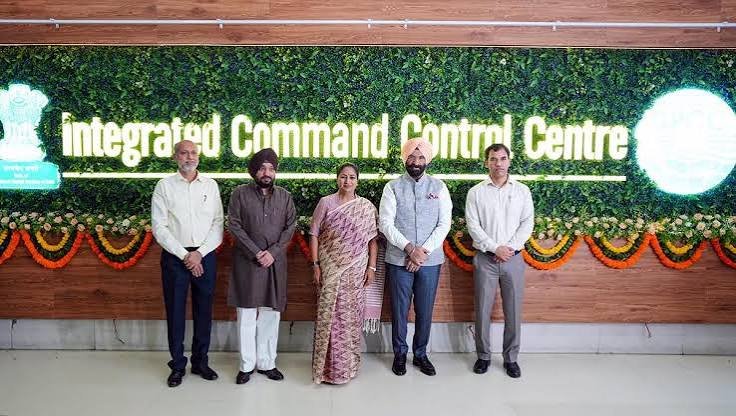
NEW DELHI: The Delhi government has launched a new Integrated Command and Control Centre at the Delhi Metro Rail Corporation IT Park in Shastri Park, bringing artificial intelligence, live pollution data and field enforcement onto a single platform ahead of the winter season. The Delhi pollution control centre was inaugurated by Chief Minister Rekha Gupta on October 1.
According to the Indian Express, the facility is intended to monitor pollution sources in real time and connect alerts with action by the relevant departments. It will cover construction activity, road sweeping, air-quality readings and enforcement operations across the capital.
AI Monitoring Targets Construction And Open Burning
The AI pollution monitoring Delhi system will use AI-based analysis and CCTV feeds to supervise more than 700 construction sites measuring over 500 square metres. Authorities can receive alerts when PM10 levels rise, allowing departments to investigate possible violations and take action.
The centre will also use cameras to identify open burning. Complaints and field-inspection information are being integrated into the same system, giving officials access to several pollution-related data sources from one location.
The move adds to wider air-pollution control measures being adopted by Indian cities, including efforts focused on road dust, waste, transport and construction-related emissions.
78 Teams To Respond To Pollution Hotspots
The Delhi pollution control centre will coordinate 78 sub-division-level field teams during the winter period. Their movements will be tracked through GPS, enabling authorities to connect identified pollution hotspots with inspections and on-ground enforcement.
Mechanical road-sweeping machines have also been connected to GPS. The system can record their locations, routes, operating hours and distance covered, helping officials track how cleaning resources are being deployed.
Body cameras for DPCC inspection officials will add another layer of monitoring. Footage from field operations is intended to give the control centre greater visibility into inspections and enforcement activity.
Winter Pollution Will Put The System To The Test
The launch comes as Delhi prepares for the Winter smog Delhi period, when authorities traditionally face severe air-quality challenges. The new system is intended to support continuous monitoring rather than relying only on responses after pollution levels have already deteriorated.
The AI pollution monitoring Delhi platform will also bring AQI station readings and historical pollution data into the command centre. Officials can use those datasets to identify rising pollution in particular areas and determine whether measures such as road sweeping or water sprinkling are required.
That emphasis on live data also reflects the wider importance of accurate air-quality monitoring when governments assess pollution levels and decide where intervention is needed.
Traffic Checks And PUC Enforcement Added
The platform will also support transport-related pollution control. Automatic number-plate recognition data is being integrated with the “No PUC, No Fuel” enforcement system, while intelligent traffic-management tools will use traffic conditions to support signal adjustments.
The AI pollution monitoring Delhi framework therefore covers several sources, including construction, road dust, waste burning and traffic.
For the Delhi pollution control centre, the coming Winter smog Delhi season will provide its first major operational test. The government has described its approach as a cycle of detecting pollution, analysing the information, taking action and verifying the outcome.