Red Bull FSSAI Lawsuit: Delhi HC Sets Aside Energy Drink Label Ban in India
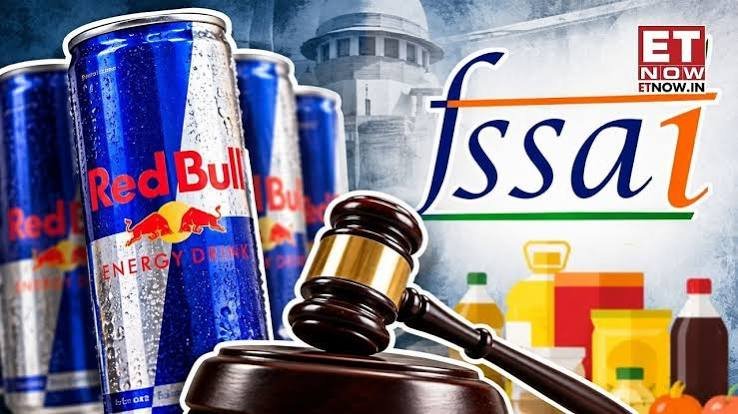
NEW DELHI: Red Bull has secured relief from a June order by the Food Safety and Standards Authority of India (FSSAI) that directed the company to stop describing its products as “energy drinks”. The Delhi High Court set aside the order on September 29, 2026, after finding that the company had not been given an opportunity to present its case before the directive was issued.
The ruling changes the immediate position in the Red Bull FSSAI lawsuit, although it does not settle the underlying regulatory dispute. The court’s decision was based on procedural grounds, leaving FSSAI free to reconsider the matter after following due process.
Why The Dispute Reached Court
The Red Bull FSSAI lawsuit began after FSSAI directed Red Bull India to discontinue the “Energy Drink” descriptor on its caffeinated beverages. The company argued that the move was issued without prior notice or a proper opportunity to respond and created uncertainty for its existing and planned business investments in India.
The Energy drink ban India dispute concerns the use of the product description rather than a finding that the beverages themselves were prohibited. FSSAI’s position has centred on the regulatory status of the “energy drink” category and the use of labels that could potentially mislead consumers.
The Food safety regulator had also taken action affecting several beverage brands operating in the same segment. The wider industry has sought greater clarity over how caffeinated beverages should be described and regulated.
What The Delhi High Court Decided
Justice Amit Mahajan set aside FSSAI’s June 30 order after the court found that Red Bull had not been afforded an opportunity to file a reply or give an explanation before the decision was made.
The Energy drink ban India issue therefore returns to the regulator rather than ending with a final judicial ruling on whether FSSAI has the substantive authority to restrict the descriptor. The court did not decide whether Red Bull’s products breach food-safety requirements.
The ruling adds to recent Delhi High Court disputes involving regulation of consumer products, including a separate consumer-goods advertising dispute. consumer-goods advertising dispute
For Red Bull, the decision means the immediate June directive no longer stands. However, the Food safety regulator can take a fresh decision if it first follows the required process, including giving the company an opportunity to respond.
FSSAI Could Appeal The Ruling
The Red Bull FSSAI lawsuit is unlikely to end with the September 29 order. According to Reuters, a government official familiar with the matter said FSSAI plans to appeal the court’s decision on public-health grounds.
The regulator had argued that the restriction formed part of a broader effort to address concerns around the labelling and marketing of high-caffeine beverages. Red Bull, meanwhile, has maintained that the abrupt removal of a long-used descriptor creates regulatory uncertainty for its Indian operations.
The Food safety regulator’s next move will determine whether the dispute returns before a higher court or is reconsidered through a fresh administrative process.
For now, the Energy drink ban India controversy has shifted from an immediate labelling restriction to a question of procedure and regulatory authority. The Red Bull FSSAI lawsuit has provided temporary relief to the company, but the wider debate over how caffeinated beverages are classified and labelled in India remains open.