Mamata Banerjee Plea: Supreme Court Agrees To Urgently List Challenge Over TMC Name And Symbol Freeze
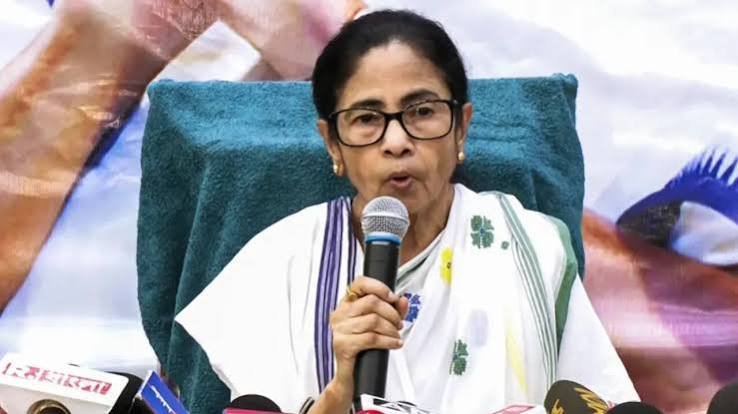
NEW DELHI: The Supreme Court on Monday agreed to urgently list former West Bengal Chief Minister Mamata Banerjee’s petition challenging the Election Commission’s interim decision to freeze the All India Trinamool Congress name and its reserved Flowers & Grass symbol. The move comes less than two weeks before the October 6 West Bengal Assembly bypolls.
The Mamata Banerjee Supreme Court case was mentioned by senior advocate Kapil Sibal before a bench headed by Chief Justice of India Surya Kant. Sibal sought an early hearing, arguing that the Election Commission had frozen the party identity while proceedings over rival claims to the organisation were still pending.
Supreme Court Urgent Listing Follows ECI Order
The Supreme Court urgent listing request was accepted after the bench noted that the rival faction would also need an opportunity to present its case. The court did not decide the dispute on Monday, and no final ruling on the party’s name or symbol was issued.
Banerjee filed her petition on September 18, challenging the Election Commission’s interim arrangement. The Mamata Banerjee Supreme Court challenge seeks intervention against the restrictions on using the established party name and the Flowers & Grass symbol.
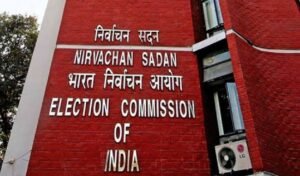
The Election Commission had earlier acted after rival groups claimed control over the organisation. The Commission’s interim arrangement prevents both sides from using the All India Trinamool Congress name and its reserved symbol while the underlying dispute remains before the poll panel.
EC Party Symbol Freeze Changes Bypoll Identities
The EC party symbol freeze has already changed the names and symbols that the two factions will use for the October 6 bypolls in Nandigram and Rejinagar.
The faction led by Banerjee has been assigned the name “Mamata All India Trinamool Congress” and the Football Player symbol. The rival faction has been assigned “Democratic Trinamool Congress” and the Envelope symbol.
The Election Commission has described these as interim arrangements pending a substantive determination of the rival claims under Paragraph 15 of the Election Symbols (Reservation and Allotment) Order, 1968. The EC party symbol freeze therefore does not, by itself, amount to a final decision on which faction is entitled to the original party identity.
Supreme Court Case Comes Ahead Of West Bengal Bypolls
The timing of the Mamata Banerjee Supreme Court petition is closely linked to the approaching bypolls. The Election Commission has already set October 6 for voting in Nandigram and Rejinagar, making the dispute over names and symbols an immediate electoral issue.
The development follows earlier coverage of an Election Commission voter list dispute, which also examined the poll panel’s role in electoral administration.
The Supreme Court urgent listing does not mean the court has granted Banerjee a stay or restored the original name and symbol. Those questions remain to be argued when the petition is taken up.
What Happens Next In The TMC Dispute
The immediate issue is scheduling the hearing and allowing both sides to make their legal submissions. The EC party symbol freeze remains in place unless the Supreme Court or the Election Commission changes the interim arrangement.
The latest proceedings also show why the Supreme Court urgent listing matters before the October 6 vote: any judicial order affecting the party name or symbol could directly affect how the two factions appear on election materials and before voters.
According to The Indian Express, the bench indicated that both sides would have substantial arguments when the matter is heard. No final judicial determination had been made at the time of Monday’s proceedings.