51 Indians Dead, 139 Freed: Indians in Russian Army Cases Put New Delhi Moscow Talks Under Fresh Pressure
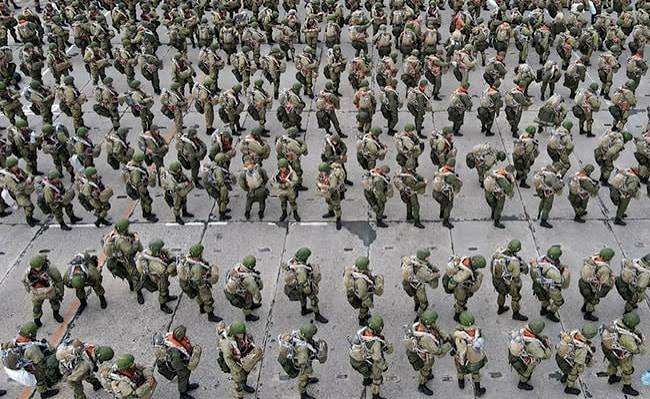
NEW DELHI: India has confirmed that 51 of the 227 Indian nationals recruited into the Russian armed forces have died, while 139 have been discharged, putting fresh focus on New Delhi’s diplomatic efforts to resolve the remaining cases.
Foreign Secretary Vikram Misri gave the latest figures on August 31 during a Ministry of External Affairs briefing reported by The Tribune, in Bishkek, where Prime Minister Narendra Modi was attending the Shanghai Cooperation Organisation summit. The update makes the Indians in Russian Army issue a major unresolved consular matter in the India-Russia relationship.
51 deaths confirmed in latest update
Misri said India had information on 227 nationals recruited into the Russian army. Of these, 139 had been discharged and 51 had “perished so far.” The latest figure is higher than the 49 deaths disclosed to the Supreme Court in May, so earlier totals should not be treated as current. India Today’s May report recorded the earlier figure.
The government has not said that every person outside the discharged and deceased categories is currently fighting. The Indians in Russian Army cases continue to be handled through diplomatic channels.
New Delhi says talks with Moscow continue
Misri said the recruitment issue has been raised with Russia “at various levels on various occasions” and that India remains in constant discussions with the Russian side. The Indian Embassy in Moscow is monitoring release and repatriation cases, with New Delhi seeking early discharge and return of citizens whose cases remain unresolved. The Tribune, citing ANI, reported Misri’s remarks.
Those New Delhi Moscow Talks form part of a diplomatic effort that has continued for years. India had already said in July that 139 nationals had been released and that officials were pursuing the remaining cases.
Modi-Putin meeting adds context
The latest disclosure came on the same day Modi met Russian President Vladimir Putin in Bishkek. According to the Prime Minister’s Office, the leaders reviewed political, economic, defence, energy, space and people-to-people cooperation, as well as regional and global developments.
The meeting underscores the wider context for the New Delhi Moscow Talks. The two countries continue to describe their ties as a “Special and Privileged Strategic Partnership,” even as India presses Moscow over recruitment and repatriation.
The government’s handling of the Indians in Russian Army cases also sits alongside wider defence engagement. The Reportiva’s recent Javelin report provides related context on India’s evolving defence cooperation with major powers.
Recruitment warnings remain part of the issue
Indian authorities have warned citizens against risky overseas job offers linked to unscrupulous recruiters. In July, the MEA urged caution while confirming that diplomatic efforts had secured the release of 139 nationals from the Russian armed forces.
The continuing New Delhi Moscow Talks are focused on discharge, repatriation and unresolved cases. For the Indians in Russian Army affected, the diplomatic objective is to secure release where applicable and bring citizens home.
What the numbers mean now
The newest figures establish three confirmed numbers: 227 Indian nationals recruited into the Russian armed forces, 139 discharged and 51 dead. That leaves 37 people outside those two categories by arithmetic, but the government has not publicly classified all of them as active military personnel.
The increase from the Supreme Court’s earlier reported death figure shows why the latest MEA update should take precedence over older reports. The New Delhi Moscow Talks now face renewed attention as India seeks resolution for citizens awaiting discharge or repatriation.
For the Indians in Russian Army, the latest official update is sobering, but it also confirms that diplomatic engagement has resulted in 139 releases. New Delhi says those efforts with Moscow are continuing, keeping the New Delhi Moscow Talks firmly on the diplomatic agenda.