Brent Crude Crosses 100: Middle East Shock Pushes Oil Above $108 as India Faces Fresh Fuel-Price Risks

NEW YORK: Global oil markets have been jolted back above the $100-a-barrel threshold as the widening West Asia conflict threatens shipping routes and crude flows. Brent Crude Crosses 100 has become the defining energy-market story of the week after Brent climbed above $108 on Friday. Reuters reported that the latest jump came as escalating Middle East tensions raised concerns about shipping and energy supply.
The latest move is significant because Brent Crude Crosses 100 after a sharp escalation involving Iran, the United States and Iran-aligned Houthi forces. Brent moved deeper above $100 as traders priced a larger risk premium for disrupted Gulf and Red Sea supply.
The market is no longer reacting only to headlines. The move reflects concern that shipping disruptions could become prolonged.
Why West Asia is driving the oil surge
The pressure is concentrated around strategic shipping corridors, including the Strait of Hormuz and the Red Sea. Houthi forces have also seized Yemen’s Mocha port, adding another potential choke point for regional trade.
The crude rally comes after recent regional strikes, including the Saudi attacks that left 73 people wounded and hit energy sites. That escalation has added another layer of risk to an already fragile energy market.
For traders, the concern is whether repeated attacks reduce exports and raise tanker costs. That is why Brent Crude Crosses 100 matters beyond oil.
Petrol Diesel Price Hike 2026 Comes Under the Spotlight
For India, the biggest risk is a prolonged period of expensive crude. Higher international oil prices can raise import costs and intensify inflation pressure.
That does not automatically mean a nationwide petrol or diesel increase is confirmed. But the longer crude remains elevated, the greater the pressure on oil marketing companies and the wider economy. This is why searches for Petrol Diesel Price Hike 2026 are rising alongside the oil rally.
A sustained move above $100 can affect transport, aviation and industrial costs. For households, the crucial question is whether global crude strength eventually feeds into pump prices. The issue remains a market-risk question rather than a confirmed nationwide price announcement.
Inflation threat spreads beyond fuel
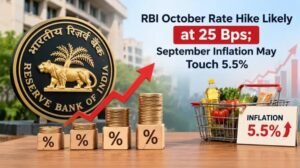
The oil shock is already affecting financial markets. Higher energy costs can feed into headline inflation, leaving central banks with less room to ease monetary policy if price pressures persist.
In India, shares fell sharply on Friday as rising crude intensified worries about inflation and interest rates. That means Brent Crude Crosses 100 is no longer simply an energy headline; it has become a broader markets story involving equities, bonds, currencies and monetary policy.
Investors are also watching whether the conflict drains global oil inventories faster than producers can replace disrupted flows. If that happens, Petrol Diesel Price Hike 2026 could become a more immediate economic concern for consumers.
What happens next for crude prices
The next move will depend heavily on whether shipping through key waterways normalises or further attacks restrict supply. Brent has moved well above $100, but prices can reverse quickly when traders reassess immediate supply risks.
For now, Brent Crude Crosses 100 is a warning signal for a more fragile global energy market. The longer the disruption lasts, the greater the risk of higher transport costs, stronger inflation and tighter financial conditions. For Indian consumers, Petrol Diesel Price Hike 2026 remains the key question as crude volatility continues, while another Petrol Diesel Price Hike 2026 cannot be ruled out if the shock persists.