Manoj Jarange Ends Fast Over Maratha Reservation, Gives Govt 90 Days
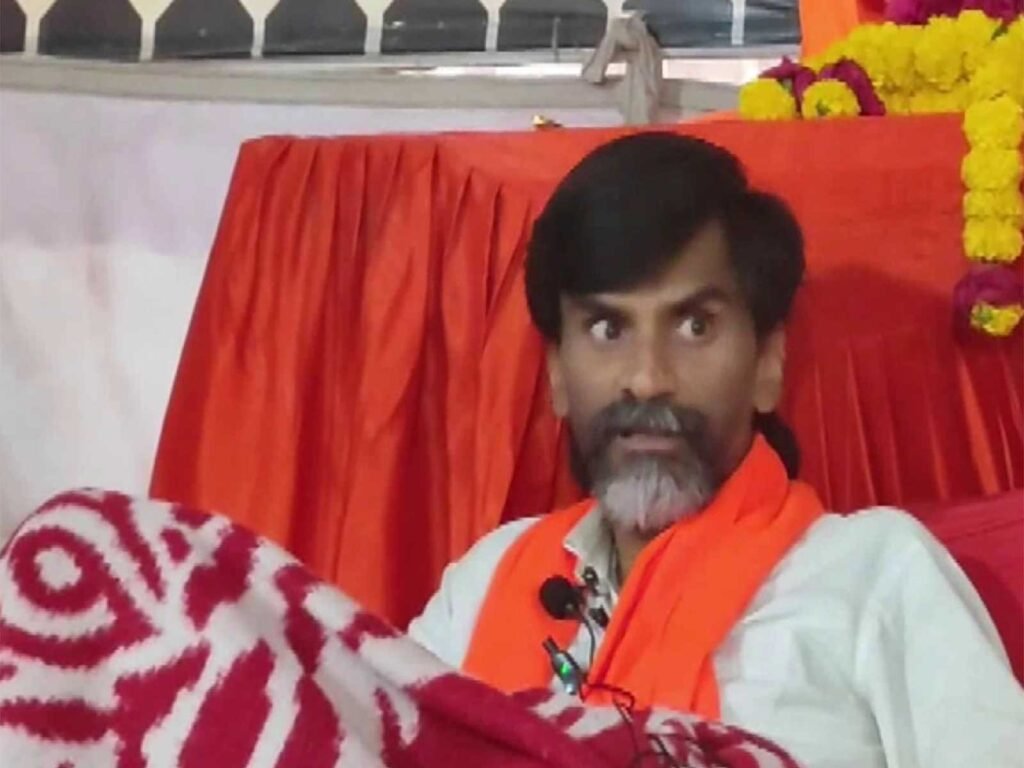
BEED, Maharashtra — Maratha reservation activist Manoj Jarange-Patil ended his 20-day hunger strike on September 17 after a Maharashtra government delegation met him in Patoda, Beed district, and sought three months to act on his key demands.
Jarange suspended the fast after discussions with Water Resources Minister Radhakrishna Vikhe Patil, minister Dada Bhuse, BJP legislators Prasad Lad and Suresh Dhas, and senior government officials. He warned that the agitation could move to Mumbai if the government failed to honour its commitments within the three months.
The decision temporarily halted a confrontation that had been building around Jarange’s planned march from Jalna towards Mumbai. He had begun the latest hunger strike at Antarwali Sarati in Jalna district and later set out towards Mumbai, but stopped at Patoda as his health deteriorated.
Jarange said the suspension of the fast did not mean the end of his campaign for reservation-related demands.
Government gives 90-day window
The discussions in Patoda focused on five main issues, according to reports on the talks.
They included measures concerning Kunbi caste certificates for eligible Marathas, the treatment of historical records connecting Marathas with the Kunbi community, and the use of historical gazetteers in determining eligibility.
The government also assured Jarange that records identified by the committee headed by retired Justice Sandeep Shinde would be protected. Reports put the number of relevant records at about 58 lakh. The government further agreed to take steps concerning the Kunbi certificates of four public representatives from Marathwada whose certificates had earlier been cancelled.
The precise legal and administrative steps will still have to be completed. Minister Radhakrishna Vikhe Patil said the process concerning the Satara and Kolhapur gazetteers would require a written opinion from the state Advocate General and could take several months.
That distinction is significant. The government’s assurances concern administrative and legal steps relating to eligible people with documentary evidence of Kunbi lineage; they do not amount to an automatic Kunbi certificate for every member of the Maratha community.
Why the Kunbi issue matters
Jarange’s campaign has centred on extending the benefits available to the Other Backward Classes (OBC) to Marathas who can establish a documentary connection to the Kunbi community.
Kunbis are included within the OBC category. Jarange has argued that historical records, including the Hyderabad, Satara and Aundh gazetteers, can help establish Kunbi lineage for eligible Maratha families.
The issue is separate from Maharashtra’s 2024 law providing a 10% reservation for the Maratha community as a Socially and Educationally Backward Class.
That law itself remains under legal challenge. A new three-judge bench of the Bombay High Court was constituted on September 18 to hear the challenge afresh, with hearings scheduled to begin on October 9.
The distinction between the two routes is therefore important: Jarange’s present demand focuses heavily on recognising eligible Marathas as Kunbis for OBC benefits, while the 2024 Maharashtra law created a separate 10% reservation framework for Marathas.
Mumbai protest put on hold
Before the Patoda meeting, Jarange had planned to continue towards Mumbai and stage a major protest during the Ganesh festival.
The Maharashtra government had expressed concerns about the proposed mobilisation and its potential impact on public order. Mumbai Police had also denied permission for the proposed protest at Azad Maidan.
After the government delegation met him, Jarange asked supporters who had travelled towards Mumbai to return home. He said he would consider taking the agitation to Mumbai if the government’s commitments were not fulfilled within three months.
The immediate march towards Mumbai was therefore suspended along with the hunger strike.
Government says it has already acted on several demands
Chief Minister Devendra Fadnavis welcomed Jarange’s decision to end the fast. According to PTI, Fadnavis said the government had already accepted 12 of Jarange’s 13 demands and would fulfil them.
That position reflects the government’s broader argument that several measures concerning the Maratha-Kunbi records and certificates are already in progress.
Jarange, however, has continued to insist that the relevant historical records must receive formal recognition and that the process must not result in eligible records being excluded.
The legal question remains unresolved
The reservation dispute is not solely an administrative issue.
Maharashtra’s 2024 SEBC law provides 10% reservation to Marathas in government employment and education, but petitions challenging the law’s constitutional validity remain before the Bombay High Court. The court’s earlier proceedings have considered, among other issues, whether the circumstances cited by the state justify reservation beyond the general 50% ceiling.
The new bench announced on September 18 means the legal challenge will now proceed afresh. That process could have an important bearing on the broader reservation debate, independently of the administrative steps promised during the Patoda talks.
For Jarange, the immediate deadline is the three months given to the Maharashtra government. For the state, the next phase involves translating the assurances made during the negotiations into government orders and legally sustainable administrative action.
The hunger strike has ended for now, but the underlying dispute over Maratha reservation and Kunbi recognition remains unresolved.