
US Tariffs on India: 5 Alarming Developments as Trump Prepares Fresh Trade Duties on 16 Economies
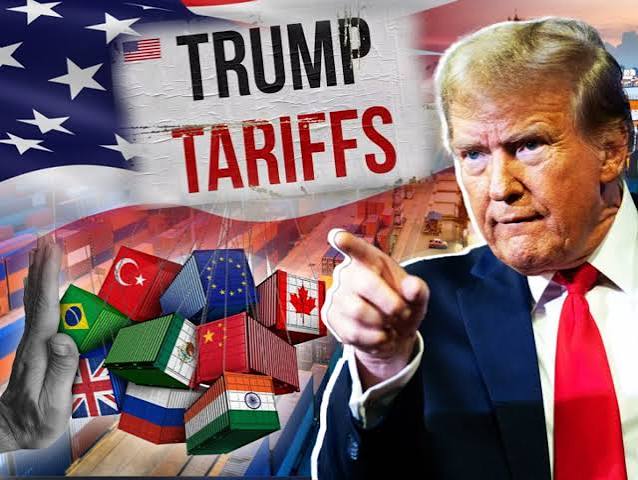
WASHINGTON: The US tariffs on India could face another increase as President Donald Trump’s administration prepares a fresh round of import duties targeting 16 economies, including China, India, Japan and members of the European Union.
The proposed measures are linked to a US investigation into government subsidies and industrial support provided to manufacturers in foreign economies. Washington argues that such assistance can encourage excess industrial production and allow overseas companies to sell goods at prices that disadvantage American manufacturers.
According to a November 24 report by The Wall Street Journal, US Trade Representative Jamieson Greer could announce the findings of the investigation as early as this week, although the timing remains subject to change.
India and Vietnam could face higher duties than Japan and the European Union under the proposed framework. However, the United States has not yet published final tariff rates or a definitive implementation schedule.
The development introduces another source of uncertainty for Indian exporters and businesses dependent on access to the American market.
1. Trump Administration Prepares New Tariffs On 16 Economies
The latest proposal follows a months-long investigation into industrial subsidies across 16 economies.
The countries and economic blocs under scrutiny include China, India, Japan, South Korea, Vietnam, Mexico, Taiwan, Singapore, Switzerland, Norway, Indonesia, Malaysia, Cambodia, Thailand and the European Union.
The investigation examines whether government support for domestic industries creates structural excess production capacity and allows manufacturers to compete unfairly with American businesses.
The administration believes that subsidies, financial assistance and other forms of government intervention can enable foreign producers to manufacture goods beyond domestic demand and sell them internationally at lower prices.
The Trump new trade tariffs proposal is expected to cover a broad range of imported products, although certain categories could receive exclusions because they already face separate national-security-related duties.
Importantly, the proposed measures have not yet become a final tariff announcement. The investigation findings and any subsequent decision will determine the actual scope of the action.
2. India Could Face Higher Duties Than Japan And European Union
India is among the economies that could face comparatively higher tariffs under the proposed American trade measures.
According to the WSJ report, Japan, South Korea and European Union members could face rates of 15% or lower, while India and Vietnam may encounter higher duties.
China could face particularly high rates.
This difference is important because India competes with several Asian economies for access to the American market.
If Indian exports face higher import duties than competing products from Japan or the European Union, Indian manufacturers could encounter additional pricing pressure.
However, the final impact will depend on the tariff rates, products covered, available exemptions and the interaction between new duties and existing trade arrangements.
The latest development also comes at a sensitive time for US tariffs on India, with both governments continuing to navigate trade negotiations and wider economic cooperation.
3. Industrial Subsidies At The Centre Of Washington’s Investigation
The proposed tariff action is connected to the US government’s investigation into structural excess capacity in manufacturing industries.
Washington argues that some foreign governments support domestic manufacturers through subsidies, inexpensive financing and other forms of assistance.
According to the administration’s position, these policies can encourage companies to expand production beyond what domestic markets can absorb.
The resulting surplus products can then enter international markets at competitive prices, creating pressure on American manufacturers.
The investigation uses Section 301 of the Trade Act of 1974, a US trade law that allows Washington to investigate foreign government practices considered unfair or harmful to American commerce.
The US China trade war has previously involved similar disagreements over industrial subsidies, manufacturing capacity and the competitive position of domestic industries.
However, the latest investigation extends beyond China and includes several important US trading partners.
4. Indian Exporters Could Face Fresh Business Uncertainty
A higher American tariff burden could affect Indian companies selling products to the United States.
The potential consequences may extend across manufacturing, engineering, electronics, textiles and other export-oriented industries, depending on the final product coverage.
Higher import duties generally increase the cost of bringing foreign products into the US market. Importers may respond by negotiating lower prices with suppliers, changing sourcing arrangements or passing some additional costs to customers.
For Indian exporters, these possibilities could create pressure on profit margins and competitiveness.
The United States remains one of India’s most important export destinations, making changes in American trade policy particularly significant for businesses with substantial exposure to that market.
At the same time, India’s export relationships are not limited to the United States.
Recent developments in India’s growing exports to China show that Indian manufacturers are also expanding their presence in other international markets.
However, growth in exports to China does not automatically compensate for potential difficulties in the American market. The products, commercial relationships and market opportunities differ.
5. India-US Trade Relations Face Another Test
The proposed duties could complicate the broader economic relationship between Washington and New Delhi.
Trade negotiations have remained an important part of bilateral engagement, alongside defence, technology, energy and regional security cooperation.
In November, Trump publicly praised Prime Minister Narendra Modi during an interaction in Manila, highlighting the personal relationship between the two leaders.
The diplomatic engagement was covered in our earlier report on Trump’s remarks about Modi.
However, positive diplomatic exchanges do not necessarily resolve differences over tariffs, market access and industrial policy.
India has also previously raised concerns about the direction of bilateral relations amid disagreements involving trade negotiations and security priorities.
External Affairs Minister S. Jaishankar’s earlier comments on India-US relations and trade disagreements highlighted the broader challenges facing the partnership.
The new tariff proposal could therefore become another important issue requiring diplomatic engagement.
What Happens Next?
The immediate development to watch is the expected announcement from US Trade Representative Jamieson Greer regarding the findings of the industrial subsidies investigation.
The announcement could clarify which economies face additional duties, how the United States intends to calculate the tariffs and which products may be excluded.
Until those details are published, businesses should not treat the reported tariff differences as confirmed final rates.
For India, the key concern is whether its exporters will face a higher tariff burden than competitors in Japan, South Korea and the European Union.
The US tariffs on India issue could become a significant point in the next phase of trade negotiations between Washington and New Delhi.
The Trump new trade tariffs proposal also demonstrates that American trade policy continues to focus on manufacturing competition and government support for domestic industries.
Meanwhile, the US China trade war could enter another phase if Washington proceeds with additional duties against Beijing alongside measures targeting other major trading partners.
For now, the investigation remains the central development, and the final announcement will determine the actual consequences for international trade.




