Kerala CM V.D. Satheesan’s Viral AI Dance Video Restricted by Meta
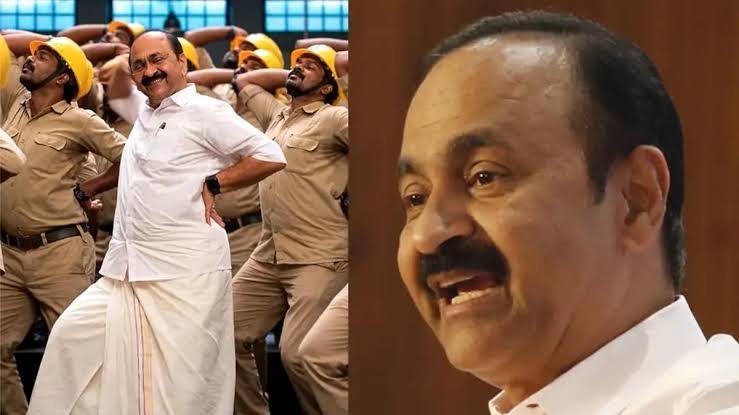
Meta has restricted access in India to a viral AI-generated video showing Kerala Chief Minister V.D. Satheesan dancing alongside Kerala State Electricity Board (KSEB) employees, according to reports, after the clip drew widespread attention during the State’s ongoing power crisis.
The video, which circulated widely on Instagram, digitally portrays Satheesan dancing with KSEB staff to “Ala Bolelo,” a song from the recently released Jailer 2. The footage is not genuine and was created using artificial intelligence.
The clip emerged as Kerala faced criticism over electricity restrictions and scheduled power cuts. The situation has generated a stream of memes and satirical videos aimed at the government and the KSEB.
AI-generated video goes viral
The video was posted by an Instagram account that shares AI-generated material primarily for entertainment. Reports said it accumulated millions of views after being uploaded.
The creators included a disclaimer saying the video was intended for entertainment and was not meant to insult or defame anyone.
Its timing helped fuel the video’s popularity. Kerala has been dealing with increased electricity demand and supply constraints, prompting restrictions at a time when residents were already expressing frustration online.
The New Indian Express reported that the State’s electricity problems were linked to factors including higher demand, reduced internal generation and constraints in power availability.
Satheesan jokes about the video
Satheesan himself addressed the AI video while speaking at a seminar on law, music, cinema and digital technology.
According to PTI, the Chief Minister said he was “shocked and stunned” after seeing the video. He then joked that the AI version of him appeared to dance better than Malayalam actor Mohanlal and Tamil Nadu Chief Minister C. Joseph Vijay.
“I was stunned. They are creating videos like that,” PTI quoted Satheesan as saying.
His comments came at a seminar that included discussions about copyright protection and the legal challenges created by emerging digital technologies.
Satheesan also argued that existing laws would need to evolve as artificial intelligence becomes more capable, particularly in areas involving copyright and the entertainment industry.
Meta restriction adds a new dimension
The latest development is Meta’s restriction of access to the viral video in India.
The Hindu reported that access to the video was restricted, making the incident part of a wider debate around how social media platforms handle AI-generated depictions of public figures.
However, the precise basis for the restriction is not independently established in the publicly available material reviewed for this report. It would therefore be premature to state that the video was removed because of a particular government complaint, police request or legal order unless Meta or the relevant authorities confirm that explanation.
Copies of the video have continued to circulate elsewhere online, illustrating the difficulty of containing widely shared synthetic media once it becomes viral. Social-media discussions also indicate that users have encountered copies on other platforms, although such posts are not independent confirmation of the reason for Meta’s action.
The power crisis behind the satire
The AI video gained traction against the backdrop of a genuine electricity crisis in Kerala.
The State government has faced criticism over power restrictions, while officials have pointed to increased consumption and supply-related constraints. Satheesan had earlier said the government was working to resolve the crisis and cited higher electricity use, inadequate rainfall and lower inflows into dams among the factors affecting supply.
The Chief Minister also chaired an emergency review meeting with Chief Secretary Bishwanath Sinha and KSEB chairman and managing director M.G. Rajamanickam on September 11 to discuss the crisis.
That real-world frustration provided the context for a wave of online satire, including videos and memes mocking the electricity restrictions.
A growing challenge for platforms
The episode also illustrates a broader problem for social media companies: distinguishing parody and satire from misleading synthetic media involving public figures.
AI-generated video can place a recognizable person into scenes that never happened, while making the result appear increasingly convincing. In this case, the video’s creators openly identified it as AI-generated, reducing the risk that viewers would mistake it for genuine footage.
The incident nevertheless comes at a time when governments, courts and technology companies are grappling with questions about manipulated media, copyright, impersonation and the boundaries of online expression.
Kerala has already seen other disputes involving Meta and content restrictions. Earlier this month, Meta restored two posts from the Kerala Chief Minister’s official Facebook page after the Chief Minister’s Office complained about their removal. The posts concerned an Onam allowance for ASHA workers and Nabi Day greetings.
Those earlier incidents involved different content and circumstances and should not be conflated with the AI dance video.
For now, the viral clip remains an example of how quickly AI-generated political satire can move from a joke on social media into a wider discussion about content moderation, public figures, and the legal status of synthetic media.
This story may be updated as new information becomes available.