
Trump BBC Lawsuit: 5 Crucial Facts After Major Court Setback for BBC
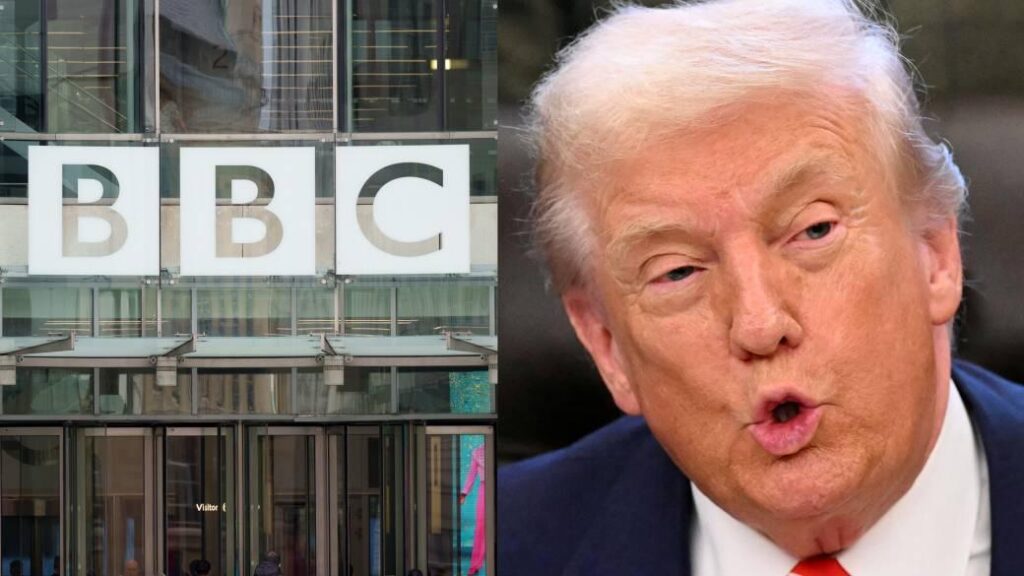
FLORIDA: The Trump BBC lawsuit has moved forward after a US federal judge rejected the British broadcaster’s attempt to dismiss Donald Trump’s defamation claim over an edited documentary featuring his January 6, 2021, speech. The ruling, delivered on November 10, 2026, allows the BBC defamation case to continue in federal court in Florida. However, the judge dismissed Trump’s separate claim under Florida’s unfair trade practices law, meaning the president has not won the full $10 billion legal battle.
US District Judge Jeffrey Kuntz ruled that Trump’s allegations were sufficient to establish a plausible defamation claim at this stage of the proceedings. The decision does not establish that the BBC is legally responsible for defamation. Trump must still prove his allegations and demonstrate that he suffered legally recognised damages.
The Trump BBC lawsuit concerns a BBC Panorama documentary that combined separate portions of Trump’s January 6 speech, creating an impression that he had directly encouraged supporters to engage in violence at the US Capitol.
What Led to the BBC Defamation Case?
The controversy centres on a BBC Panorama documentary titled Trump: A Second Chance, which was broadcast shortly before the November 2024 US presidential election.
The documentary included an edited clip of Trump’s January 6, 2021, speech, delivered before his supporters marched towards the US Capitol. The footage combined two separate portions of his remarks that were delivered approximately 55 minutes apart.
One section showed Trump telling supporters that they would walk to the Capitol. Another included his later statement that they would fight like hell.
According to Trump’s lawsuit, joining these remarks without the intervening context created a misleading impression that he had directly called for violent action against the Capitol.
The edited footage also left out a section in which Trump called for peaceful protest.
The BBC subsequently acknowledged that the editing was misleading and apologised to Trump. However, the broadcaster rejected his demand for compensation and maintained that the editing did not make it legally liable for defamation.
The controversy also became part of a wider debate about editorial standards, political reporting and the responsibility of international broadcasters when presenting politically sensitive material.
Why Did the US Judge Allow the Trump BBC Lawsuit to Proceed?
Judge Jeffrey Kuntz concluded that Trump’s allegations were sufficiently detailed to allow the defamation claim to move forward.
The court considered whether the complaint plausibly alleged that the BBC had published a misleading portrayal of Trump and whether the broadcaster knew, or should have known, that the edited material could create a false impression.
The ruling examined the circumstances surrounding the documentary’s production and the broadcaster’s own acknowledgement that the editing was misleading.
The judge found that the allegations concerning the BBC’s departure from journalistic standards went beyond a claim of ordinary negligence at this preliminary stage.
An important legal distinction remains. The judge was considering whether Trump’s allegations could support a claim, not deciding whether those allegations were ultimately true.
In US defamation law, public figures generally face a demanding legal standard. They must establish actual malice, meaning that the defendant published a defamatory statement knowing it was false or with reckless disregard for whether it was false.
The BBC defamation case will therefore require further legal proceedings before a final determination can be made.
Why Was Part of Trump’s $10 Billion Claim Dismissed?
Although the defamation claim survived, the judge did not allow every part of Trump’s lawsuit to proceed.
Trump’s legal action sought at least $5 billion in damages for defamation and another $5 billion under Florida’s Deceptive and Unfair Trade Practices Act.
Judge Kuntz dismissed the separate claim under the Florida consumer protection law while allowing the defamation allegation to continue.
This means the headline figure of $10 billion should not be interpreted as an amount the court has awarded or confirmed Trump can recover.
The president must still establish that the BBC’s conduct meets the legal requirements for defamation and prove the damages he claims to have suffered.
The question of whether the documentary caused actual financial or reputational harm will remain important as the case develops.
How Has the BBC Responded to the Legal Development?
The BBC has previously acknowledged the misleading nature of the documentary’s editing and issued an apology to Trump.
However, the broadcaster has consistently rejected the suggestion that the incident creates legal liability for defamation.
Following the latest ruling, the BBC expressed surprise at the court’s decision, while saying it respected the judicial process and remained confident in its legal position.
The broadcaster is expected to continue defending itself as the proceedings move forward.
The case has also attracted attention because it comes amid wider tensions between Trump and major media organisations over their coverage of his political career and administration.
An earlier dispute involving US television networks and White House press access highlighted the growing confrontation between the administration and news organisations over reporting and editorial independence.
What Happens Next in the BBC Defamation Case?
The immediate consequence of the ruling is that the surviving defamation claim can proceed through the US legal system.
Both sides will have further opportunities to present evidence, challenge arguments and address the legal questions surrounding the documentary.
Trump is also required to provide a deposition to the BBC’s lawyers by December 11, 2026, following an earlier court order. Failure to comply could expose him to sanctions.
A potential trial is scheduled for February 2027, according to earlier court proceedings. The latest ruling does not itself determine the final outcome or guarantee that the case will reach trial.
For the BBC, the immediate challenge is to defend its editorial decisions against allegations that the documentary presented Trump’s speech in a misleading manner.
For Trump, the central task will be proving that the editing amounted to actionable defamation and caused the damages claimed.
The Trump BBC lawsuit therefore remains an ongoing legal dispute rather than a completed victory for either side. The latest decision represents a significant procedural development, but the final question of legal responsibility remains unresolved.




