UK Moves to Ban Israeli Settlement Trade as Andy Burnham Risks New Clash With Israel and Washington
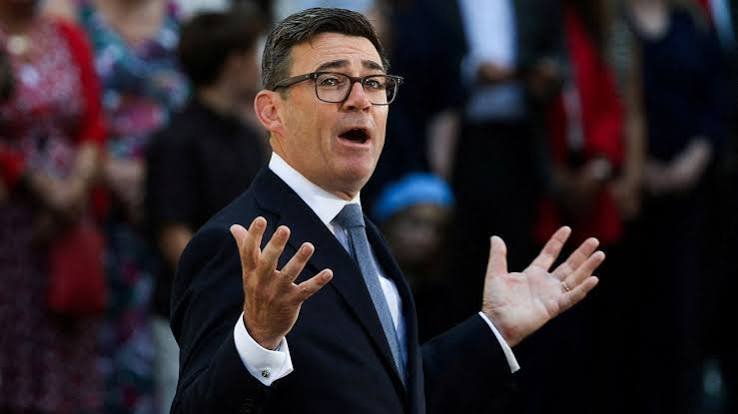
LONDON: The UK government is preparing to impose a trade ban on goods produced in Israeli settlements in the occupied West Bank, marking a major shift in Britain’s policy. Foreign Secretary Ed Miliband is expected to set out the measures in Parliament on September 8, with Prime Minister Andy Burnham backing a tougher approach, according to Reuters.
Britain prepares settlement trade ban
The planned UK West Bank Sanctions are focused on Israeli settlements in the West Bank and form part of what Miliband has described as a broader reset of British policy. Reuters reported that the government is expected to announce restrictions on goods produced in settlements while reaffirming its support for a two-state solution.
The move comes after growing British concern over Israeli settlement expansion, particularly plans linked to the E1 area east of Jerusalem. Andy Burnham has argued that developments there could damage the prospects for a viable Palestinian state.
The government has not published every operational detail, so the exact scope remains subject to the parliamentary announcement.
E1 development at centre of dispute
The UK’s policy shift is closely linked to the E1 settlement project. British officials have warned that expanded construction in the area could create a territorial barrier between Palestinian population centres and make a future Palestinian state more difficult to establish.
The proposed UK West Bank Sanctions would represent a broader approach than earlier British measures that focused largely on individual settlers and officials. The new policy is expected to target economic activity connected to settlements rather than only named individuals.
For Andy Burnham, the dispute is also becoming a test of how far Britain is prepared to go in turning its diplomatic support for a two-state solution into concrete economic policy.
Growing tension with Washington
Andy Burnham spoke with US President Donald Trump about the Middle East. Downing Street said the conversation covered peace and security and reaffirmed Britain’s commitment to a two-state solution.
The timing has raised concerns about a disagreement between London and Washington. Trump’s administration has been closely involved in Middle East diplomacy, while Burnham’s government is moving toward stronger economic pressure over Israeli settlement activity.
The new UK West Bank Sanctions could therefore carry consequences beyond Britain’s relationship with Israel, particularly if other European governments consider similar restrictions.
Israel warns of consequences
Israel has strongly opposed the expected British measures. Israeli Foreign Minister Gideon Sa’ar has warned that Israel could retaliate if Britain imposes punitive steps over settlement expansion.
Israeli officials reject the characterisation of the West Bank settlements as illegal and argue that the territory is disputed. Most of the international community, however, considers the settlements contrary to international law.
Israeli ministers have criticised the move, while supporters say stronger pressure is needed to protect Palestinian statehood.
Policy shift carries wider implications
The planned UK West Bank Sanctions are politically significant because they move Britain from condemnation toward restrictions on trade connected to settlements. Their economic impact will depend on what goods and services are covered and how the rules are implemented.
The measures arrive as violence and tensions continue across the region. The UK’s previous coverage of five Palestinians killed in Gaza despite the ceasefire reflects the wider crisis shaping Britain’s foreign-policy debate.
For Andy Burnham, the immediate challenge will be balancing pressure on Israel with Britain’s wider diplomatic, security and economic interests.
Until Miliband formally presents the package, the precise details of the UK West Bank Sanctions remain unconfirmed. What is clear is that Britain is preparing for a sharper confrontation with Israel over settlement policy, with possible diplomatic repercussions in Washington and Jerusalem.