ONGC Gas Leak: 5 Alarming Updates After Andhra Pradesh Residents Evacuated
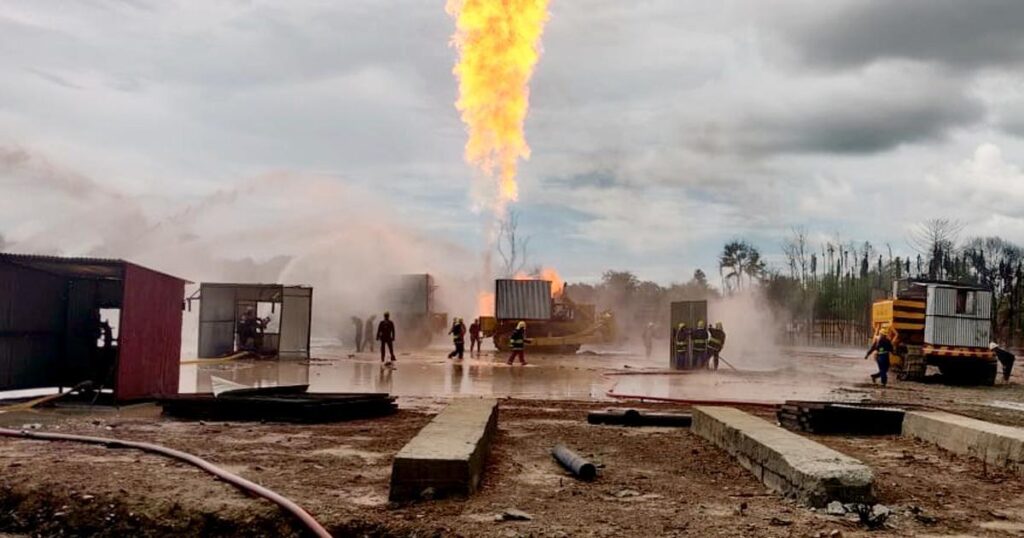
ANDHRA PRADESH: ONGC Gas Leak triggered an emergency response in Dr B.R. Ambedkar Konaseema district on Tuesday, November 17, after gas began escaping from a well during workover operations. Authorities evacuated nearby residents, cordoned off the affected area and diverted traffic as a precaution against possible ignition.
The incident occurred at the Tatipaka well in Geddada village, Mamidikuduru mandal, near National Highway 216. The Oil and Natural Gas Corporation (ONGC) activated its disaster management arrangements and deployed emergency personnel to contain the leak.
The situation was subsequently brought under control. In an official update issued on November 17, ONGC confirmed that gas flow from the well had been successfully stopped at approximately 3 p.m. The company also reported that no injuries or casualties had occurred.
What Happened At The ONGC Gas Well In Andhra Pradesh?
The Andhra Pradesh Gas Leak was reported at approximately 5 a.m. on November 17 during workover operations at the well in Geddada village.
Workover operations involve maintenance or other technical interventions carried out on an existing oil or gas well. Such activities can involve specialised equipment and pressure-control procedures.
Following the incident, ONGC’s Rajahmundry Asset activated its disaster management team. Emergency response personnel reached the location and began implementing safety and well-control measures.
Additional personnel, equipment and resources were mobilised from the Regional Crisis Management facilities at Narsapur.
The company also coordinated with the district administration and relevant state authorities to manage the emergency.
The precise mechanical cause of the leak has not been established in the company’s public statement. Therefore, the incident should not be attributed to equipment failure, operator negligence or any particular technical fault without further findings.
Residents Evacuated As Authorities Establish Safety Cordons
The possibility of gas ignition prompted authorities to take precautionary measures around the affected well.
According to ONGC, a 500-metre safety cordon was established around the site, and residents living in the surrounding area were evacuated.
Traffic movement along the affected stretch of National Highway 216 was also diverted through alternative routes. Power supply in the area was temporarily disconnected to minimise the risk of accidental ignition.
A water blanket was established around the well as another precautionary measure.
These steps were intended to reduce potential risks while emergency teams worked to control the gas flow.
The evacuation was a preventive measure. There was no official confirmation of casualties or injuries resulting from the incident.
ONGC Successfully Stops Gas Flow At Approximately 3 PM
The most significant development came later on Tuesday afternoon when ONGC confirmed that its teams had successfully controlled the gas flow.
According to the company’s official update, the well-control operation was completed at approximately 15:00 hours, or 3 p.m., on November 17.
The operation followed sustained efforts by the emergency response teams and the implementation of precautionary safety measures.
ONGC also confirmed that no injuries or casualties had been reported in connection with the incident.
However, stopping the gas flow did not automatically mean that every restriction could be lifted immediately.
The company said it would continue monitoring the location and assess site conditions before withdrawing the safety cordon and other restrictions.
The district administration was informed about the successful well-control operation.
Gas Monitoring And Safety Measures Remain Important
Gas leaks at operational wells require careful monitoring because escaping gas can create ignition and other safety hazards depending on its composition, concentration and surrounding conditions.
Even after the immediate flow is controlled, authorities may need to assess the surrounding environment before allowing residents to return or normal activities to resume.
ONGC’s response included gas concentration monitoring around the well.
In its earlier communication on the incident, the company reported zero gas concentration at the locations monitored during its assessment. It also said that continuous monitoring and precautionary measures remained in place.
The company coordinated with local authorities throughout the response.
The ONGC Gas Leak incident highlights the importance of emergency preparedness at oil and gas facilities, particularly when maintenance and workover activities are being undertaken near populated areas.
A Fresh Safety Concern For Konaseema District
The latest Andhra Pradesh Gas Leak has renewed attention on the safety of oil and gas operations in Konaseema district.
The district previously witnessed a major gas leak and fire at ONGC’s Mori-5 well in Irusumanda village on January 5, 2026. That incident occurred during workover operations and led to evacuations in nearby areas.
ONGC subsequently brought the Mori-5 well under control on January 10.
However, the January incident and the November 17 leak involved different wells and locations. They should not be treated as the same event.
For residents living near oil and gas infrastructure, emergency communication, evacuation arrangements and timely safety assessments remain important.
The latest incident ended without reported injuries or casualties, and ONGC confirmed that gas flow had been stopped on Tuesday afternoon.
Further technical findings about the cause of the November 17 leak have not been established in the company’s public update.