
From Farm Waste to Fuel: UP Expands Its Crop Residue Management Drive
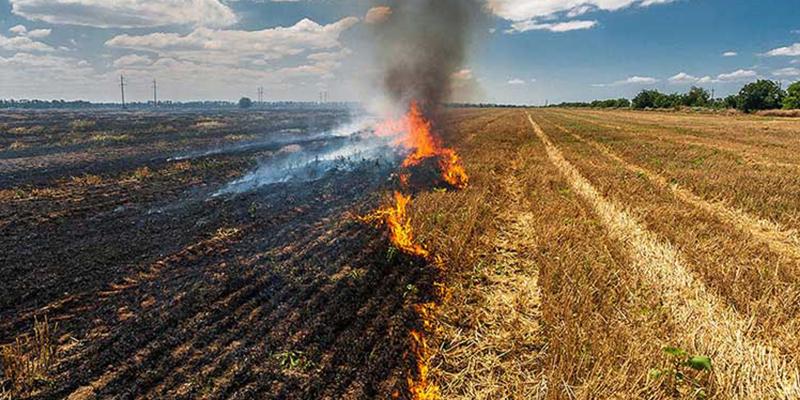
Uttar Pradesh plans to establish 78 additional biogas plants as the state expands efforts to turn agricultural residue into a source of renewable energy, reduce stubble burning and ease the burden of clearing harvested fields for farmers. The state currently has 40 operational plants, according to the Agriculture Department.
The initiative connects farmers and Farmer Producer Organisations (FPOs) with compressed biogas (CBG) facilities through a collection and transportation network. Crop residue collected from agricultural fields is processed to produce biogas, while the organic material left after processing is made available for use as manure.
The expansion plans were reported on November 10 and 11, 2026, with Agriculture Department Director T.M. Tripathi confirming the existing plant count and the proposed addition of 78 facilities.
Barabanki district has emerged as one of the examples of how the system works, with farmers reporting lower residue-clearance costs and quicker preparation of fields for subsequent crops.
Barabanki farmers benefit from organised stubble collection
The initiative is already operating in several parts of Barabanki district, where CBG plants at Deva Road and Haidergarh are supporting crop residue collection.
According to Deputy Director of Agriculture Umesh Kumar Sah, the programme has expanded across Harkh, Haidergarh, Fatehpur and Ramnagar blocks.
Farmers in these areas can arrange for stubble to be collected soon after harvesting. This helps them prepare their fields for the next sowing cycle without having to spend additional time clearing leftover crop material.
Yogesh, a farmer from Karamat Kheda village in Harkh block, cultivates wheat, paddy and potatoes. He said timely removal of agricultural residue has helped him prepare his land for the next crop without delays.
Another farmer, Balram from Tikra village, described the financial burden involved in clearing fields before the collection arrangement was introduced.
He said removing stubble from one acre of land previously cost approximately Rs 2,500 to Rs 3,000.
Transporting the residue to a biogas plant has helped him avoid that disposal expense. The arrangement also provides an alternative to burning leftover crop material to clear fields quickly.
However, the financial benefit should be distinguished from direct payments for stubble. The reported farmer experience primarily concerns savings on removal costs; payment for collected residue depends on the purchasing arrangements in place.
Deva Road plant processes 150 tonnes of stubble daily
The CBG facility on Deva Road in Barabanki provides an indication of the scale at which agricultural residue can be used for energy production.
The plant processes approximately 150 tonnes of stubble every day and produces around 15,000 to 19,000 kilograms of biogas daily, according to information cited in the November 10 report.
Its primary feedstock includes paddy and maize residue. These materials contain relatively high levels of silica, which limits their suitability for animal fodder.
Wheat straw, meanwhile, is commonly used by farmers as livestock feed. Directing paddy and maize residue towards biogas production therefore provides another way to utilise agricultural material that may otherwise be difficult to manage.
The organic by-product generated during processing is also made available as manure for agricultural fields.
FPOs and machinery support the collection network
The programme relies on a coordinated supply chain involving farmers, FPOs, aggregators, super aggregators and CBG plant operators.
According to the Agriculture Department, the collection model was developed with technical support from the Gates Foundation’s Technical Support Unit (TSU).
FPOs and aggregators help identify fields, coordinate collection schedules and organise the movement of crop residue according to harvesting timelines. Super aggregators connect these organisations with biogas facilities through supply arrangements.
The process involves several types of agricultural machinery:
- Slashers: Used to cut standing crop residue.
- Rakers: Help gather and arrange the residue for collection.
- Balers: Compress loose stubble into manageable bundles.
- Transport vehicles: Move collected material to storage or processing facilities.
The Agriculture Department is also providing subsidy assistance to FPOs and individual beneficiaries for purchasing Crop Residue Management (CRM) machinery.
This support is intended to improve the availability of equipment and strengthen the supply network connecting agricultural fields with processing facilities.
Around 2,000 people reportedly employed at Barabanki plant
The programme is also generating employment through activities associated with crop residue collection and processing.
According to Umesh Kumar Sah, around 10 to 12 people are engaged in field-level stubble collection work, while approximately 2,000 people are employed at the plant.
The reported employment includes work connected with cutting, gathering, baling, transportation and processing.
These figures were provided by the district agriculture official and have not been independently verified. The available reports also do not provide a detailed breakdown of permanent, contractual and seasonal employment.
UP’s Bio-Energy Policy provides support for new projects
Uttar Pradesh’s wider push towards agricultural waste utilisation is supported by the state’s Bio-Energy Policy 2022.
The policy, implemented through the Uttar Pradesh New and Renewable Energy Development Agency (UPNEDA), encourages investment in compressed biogas, bio-diesel and bio-coal production facilities.
The state government’s Invest UP portal lists financial incentives for setting up CBG facilities, along with support for biomass collection equipment and infrastructure.
It also provides for subsidies on equipment such as balers, rakers and trolleys, helping strengthen the supply chain required to transport agricultural residue to processing plants.
UPNEDA has also established a Bio Feedstock Portal and e-Parali application to connect farmers, FPOs and bioenergy developers.
The platform allows participants to list available crop residue, identify feedstock requirements and negotiate purchases directly. UPNEDA facilitates the digital connection but does not participate in the commercial transactions or determine the prices agreed between the parties.
78 proposed plants will expand the state’s biogas network
Agriculture Department Director T.M. Tripathi said Uttar Pradesh currently has 40 operational biogas plants, with another 78 planned for establishment.
The proposed facilities are expected to use agricultural residue to produce compressed biogas, while organic processing by-products will be available for agricultural use.
However, the latest reports do not specify the proposed plants’ district-wise locations, individual capacities, investment requirements or commissioning schedules.
The expansion’s practical impact will depend on more than the number of facilities established. Reliable feedstock collection, transportation arrangements, machinery availability and commercial agreements between farmers and plant operators will also be necessary.
For farmers, the Barabanki experience offers an example of how organised residue collection can reduce the cost and time involved in preparing fields after harvest. Whether the model can deliver similar benefits across the state will become clearer as the additional facilities move from planning to operation.




