
Ajit Doval Pannun Case: 5 Key Developments as US Summons Move Forward
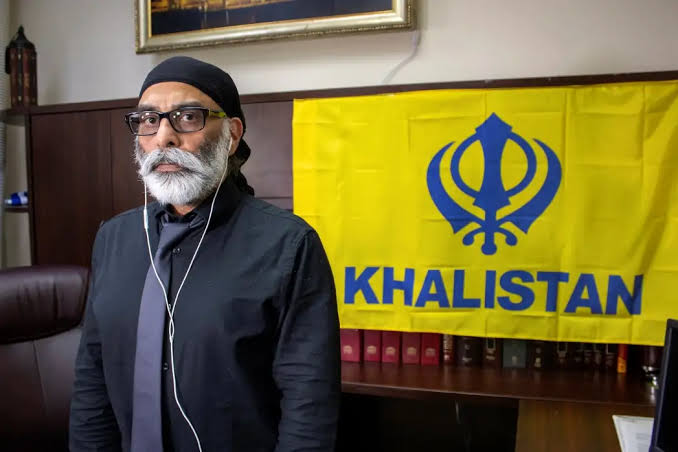
NEW DELHI: Ajit Doval Pannun case proceedings have entered a new stage after a US federal court allowed Gurpatwant Singh Pannun to pursue service of his civil lawsuit against National Security Adviser Ajit Doval and former Research and Analysis Wing chief Samant Goel through Indian courts. India has rejected the allegations as fabricated and malicious, while the court’s order remains a procedural step rather than a finding that the claims are true.
The development has renewed attention on US summons Ajit Doval and the wider legal dispute involving Pannun, who filed the civil case in the United States in September 2024.
US Summons Ajit Doval: What The Court Ordered
On November 9, US District Judge Katherine Polk Failla of the Southern District of New York allowed Pannun to pursue service of summons on Doval and Goel through designated courts in Delhi.
The order followed earlier difficulties in serving the two officials. Pannun had attempted other methods of service, including efforts connected with India’s designated central authority, but those attempts did not succeed.
Under the latest order, Pannun must submit a proposed service packet to the court by November 30. The documents are expected to set out the proposed method of service, relevant Indian legal provisions and records concerning earlier attempts.
The court will review that material before its clerk transmits the documents to the Indian courts identified in the request. This means the US summons Ajit Doval process is not yet equivalent to a completed personal service.
India Rejects Allegations In Pannun Lawsuit
India has strongly rejected the claims made against its officials.
External Affairs Ministry spokesperson Randhir Jaiswal described the lawsuit as “fabricated and malicious” and said India also rejected what he called frivolous lawsuits. According to Economic Times, Jaiswal said requests for serving judicial documents in India should be routed through the country’s designated central authority, the Ministry of Law and Justice.
The Ajit Doval Pannun case therefore involves a dispute over both the allegations and the procedure for delivering court documents in India.
India’s position is also important because the November 9 order does not determine whether Pannun’s allegations have legal merit.
What Pannun Has Alleged
Pannun’s civil lawsuit names the Government of India, Doval, Goel, Vikash Yadav, Nikhil Gupta and other unnamed defendants. He alleges that Indian officials were involved in a conspiracy to assassinate him in New York in 2023.
Those allegations remain unproven in the civil proceedings. Doval and Goel have not been charged in the separate US criminal case arising from the alleged plot.
The civil lawsuit is connected to a broader US investigation involving Nikhil Gupta. Gupta pleaded guilty in February 2026 to charges including conspiracy to commit murder-for-hire and conspiracy to commit money laundering.
The developments also come amid continuing discussion about India US relations as New Delhi and Washington manage disagreements involving security, trade and other diplomatic issues.
Why The Latest Order Matters
The Ajit Doval Pannun case has attracted attention because the court has now approved a route that could allow the legal papers concerning Doval and Goel to move through India’s judicial system.
However, the distinction between US summons Ajit Doval and a judicial finding against him is crucial. The court has addressed how the summons may be served; it has not ruled that Pannun’s allegations are established.
The case is therefore moving forward procedurally while India continues to reject the claims. The next significant step is Pannun’s November 30 deadline to submit the proposed service packet.
Until the court reviews those documents and directs transmission, the latest order should be understood as a development in the service process rather than a ruling on the substance of the allegations.




