Supreme Court WhatsApp: 9,400 Accounts Blocked as Court Demands Major Action Against Digital Arrest Scams
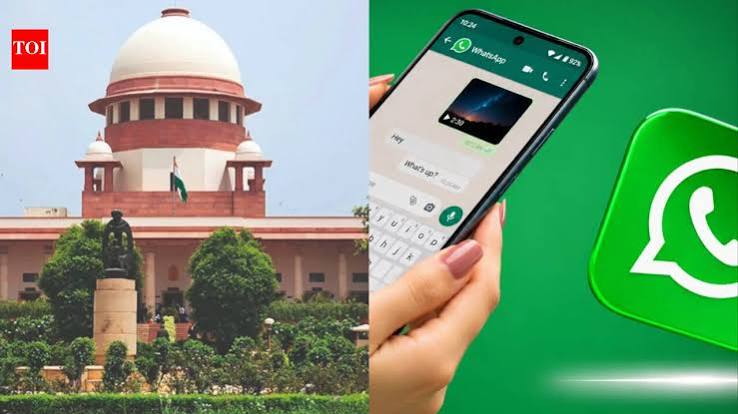
NEW DELHI: Supreme Court WhatsApp proceedings have intensified scrutiny of online platforms after the Supreme Court directed WhatsApp and other digital intermediaries to explain how they plan to prevent digital arrest scams and related cybercrimes. The platforms must submit their proposed safeguards to both the court and the Indian Cyber Crime Coordination Centre (I4C). The matter will return for a hearing on November 23, 2026.
The direction forms part of the court’s ongoing suo motu proceedings titled In Re: Victims of Digital Arrest Related to Forged Documents. A bench headed by Chief Justice of India Surya Kant, along with Justices Joymalya Bagchi and V. Mohana, issued the directions in an order following its October 29 hearing.
Supreme Court WhatsApp Order Puts Platforms Under Scrutiny
The Supreme Court has asked WhatsApp LLC, a Meta company, and other concerned intermediaries to explain the preventive measures they propose to introduce against digital arrest scams.
The platforms must also submit the same proposals to I4C, which operates under the Union Ministry of Home Affairs and coordinates responses to cybercrime across India.
The Supreme Court WhatsApp direction follows earlier proceedings in which the court examined the responsibilities of digital platforms in preventing fraudsters from misusing online communication services.
Senior advocate Kapil Sibal, appearing for WhatsApp, reportedly informed the bench that the platform had taken action against approximately 9,400 accounts linked to digital arrest scams and impersonation of law enforcement agencies. He also said WhatsApp was developing software to identify suspicious accounts and alert users.
The reported account removals were presented as preventive action taken by the platform. However, the court has now sought a detailed explanation of the additional measures WhatsApp and other intermediaries intend to implement.
What Is a Digital Arrest Scam?
A digital arrest scam involves criminals impersonating police officers, CBI officials, government authorities or other law enforcement personnel through phone calls, messaging applications and video calls.
Fraudsters frequently use forged identity documents, fabricated arrest warrants and false allegations of criminal involvement to frighten victims. They may claim that a person’s identity documents, bank accounts or mobile number have been connected to illegal activities.
Victims are then pressured to remain on video calls and transfer money under threats of arrest or legal action.
There is no legal provision for digital arrest under Indian law. Genuine law enforcement agencies do not conduct arrests through video calls or demand money to settle criminal allegations.
The misuse of messaging platforms has also drawn attention to telecom infrastructure. In a separate investigation, authorities uncovered an alleged illegal gateway involving SIM-box equipment and multiple SIM cards in Uttarakhand. The SIM-box operation highlighted how telecom systems can be misused to make suspicious calls appear to originate from domestic numbers.
Supreme Court Also Seeks Stronger Bank Accountability
The Digital Arrest Scam proceedings extend beyond messaging applications. The Supreme Court has also placed financial institutions under scrutiny over their responsibility to prevent fraudulent transactions and compensate affected customers.
In its earlier directions, the bench said the regulatory measures proposed by the Reserve Bank of India (RBI) should include provisions requiring financial institutions to compensate victims when an investigation establishes that fraud occurred because a bank failed to exercise due diligence.
The proposed compensation should be no less than the amount lost by the customer in such cases.
The court has also highlighted safeguards that banks should consider, including temporarily suspending suspicious transactions that differ significantly from a customer’s usual banking activity.
Other proposed safeguards include automatically notifying the nearest police station about suspicious transactions and physically verifying their authenticity.
The RBI has been directed to submit a list of authorised financial institutions before the next hearing.
Police Across States Must Submit Investigation Reports
The Supreme Court has also directed law enforcement agencies in all states and Union Territories to submit details of FIRs registered in connection with digital arrest scams.
The reports must include the progress of investigations and suggestions for preventing, detecting and prosecuting these offences. Directors General of Police across states and Union Territories have been instructed to ensure compliance.
The WhatsApp Cyber Crime issue is therefore being examined through several parts of the digital fraud system, including communication platforms, banking institutions and law enforcement agencies.
November 23 Hearing Could Bring Further Clarity
The next hearing on November 23, 2026, will be important for assessing the proposed safeguards and the progress made by the concerned institutions.
WhatsApp and other intermediaries are expected to place their proposals before the court and I4C. The RBI and state law enforcement agencies also have reporting responsibilities under the court’s directions.
The proceedings do not amount to a finding that WhatsApp has committed an offence. Instead, the court is seeking stronger preventive measures and institutional accountability to reduce the growing threat of digital fraud.
The outcome could influence how messaging platforms, banks and investigating agencies respond to digital arrest scams and protect people from financial losses.