
Iran Argentina Relations: 3 Major Risks as Diplomatic Tensions Worsen
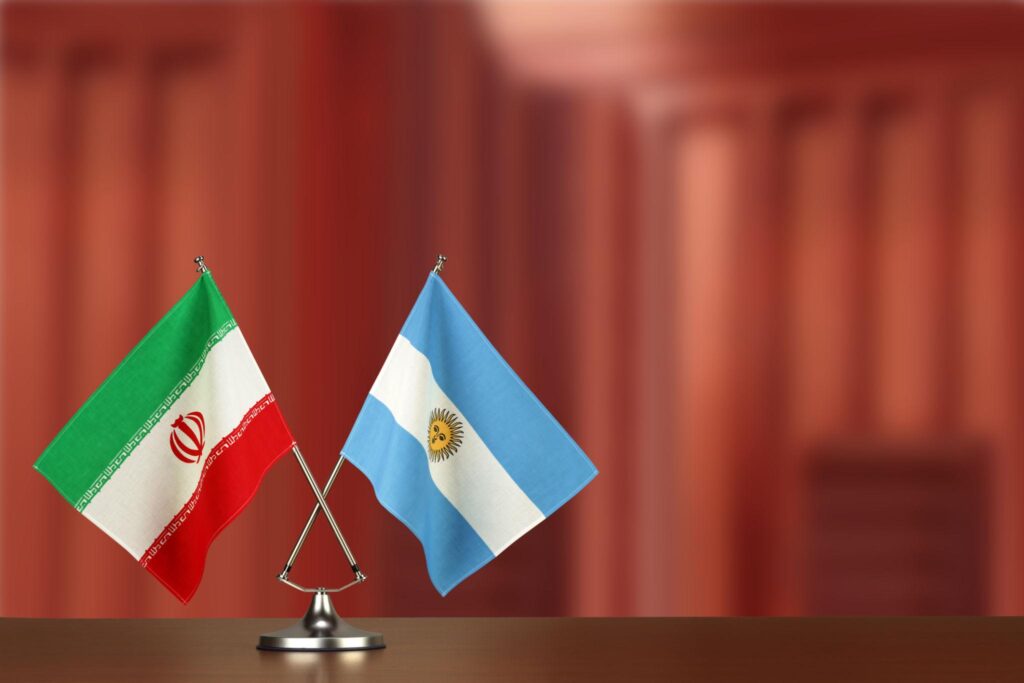
TEHRAN: Iran Argentina relations have entered a new phase of diplomatic confrontation after Iran designated Argentina’s Navy and Air Force as terrorist organisations on Wednesday, November 11, 2026. The Iranian Foreign Ministry announced the decision as a reciprocal measure following Argentina’s earlier designation of Iran’s Islamic Revolutionary Guard Corps (IRGC) as a terrorist organisation. The move has added another dimension to growing Argentina Iran tensions, with Tehran warning Buenos Aires that it would bear responsibility for the consequences.
The announcement marks a significant escalation in the diplomatic disagreement between the two countries. Iran has specifically named Argentina’s Navy and Air Force in its decision but has not included the Argentine Army. The Iranian government has also not publicly explained what practical measures will follow from the designation.
According to Reuters, Tehran described the action as a response to Argentina’s earlier decision against the IRGC. The latest development has brought Iran designates Argentina military into international diplomatic discussions.
What Led To Iran Argentina Relations Deteriorating?
The latest dispute is closely connected to Argentina’s decision to designate the Islamic Revolutionary Guard Corps as a terrorist organisation in March 2026.
Argentina’s government announced the decision under President Javier Milei, aligning its position with the United States and its efforts to increase pressure on Iran’s military and security establishment.
Buenos Aires justified its decision by pointing to the IRGC’s alleged support for Hezbollah, the Lebanon-based organisation that Argentina has blamed for the 1994 bombing of the AMIA Jewish community centre in Buenos Aires.
The attack on July 18, 1994, killed 85 people and injured hundreds. It remains the deadliest terrorist bombing in Argentina’s history.
Argentina has maintained that Iranian-linked organisations were involved in the attack. Iran has rejected accusations against its officials and has repeatedly criticised Argentina’s position.
The designation of the IRGC therefore became an important source of friction between the two governments. The latest Iranian announcement demonstrates how the disagreement has expanded from diplomatic criticism into reciprocal terrorism-related designations.
Why Iran Designated Argentina’s Navy And Air Force
Iran’s Foreign Ministry said its decision was based on the principle of reciprocity and a 2019 Iranian law concerning countermeasures against countries supporting the United States’ designation of the IRGC.
Under Tehran’s interpretation of that legislation, countries that support or comply with the American designation of the Revolutionary Guard can face reciprocal measures.
Iran argued that Argentina’s decision against the IRGC was an unfriendly action against an organisation it considers part of the country’s official armed forces.
The Iranian government subsequently applied its reciprocal measure to Argentina’s Navy and Air Force.
This is the central development behind the latest Iran designates Argentina military announcement.
However, Iran has not provided a detailed explanation of the practical consequences of its decision. Its Foreign Ministry warned that Argentina would be responsible for the consequences but did not identify specific diplomatic, economic or military measures.
The announcement also did not extend the designation to Argentina’s Army, making the two named military branches the specific targets of the decision.
Argentina Iran Tensions And The Hezbollah Connection
The disagreement cannot be understood without considering the long-running dispute surrounding Hezbollah and the 1994 AMIA bombing.
Argentina has repeatedly sought accountability for the attack and has accused Iranian-linked figures of involvement in the planning and support of the operation.
Hezbollah has consistently been at the centre of Argentina’s allegations concerning the bombing.
The country’s recent action against the IRGC reflects the Milei administration’s tougher approach to organisations it considers connected to international terrorism.
Argentina’s decision also came amid closer alignment with Washington on several foreign policy and security matters.
The United States designated the IRGC as a foreign terrorist organisation in 2019. Argentina’s subsequent decision added another international dimension to pressure on Tehran.
The latest Iranian response has consequently intensified Argentina Iran tensions, turning an earlier dispute over the Revolutionary Guard into a direct confrontation involving Argentina’s conventional armed forces.
What Happens Next In Iran Argentina Relations?
The immediate question is whether the diplomatic disagreement will lead to further measures from either government.
Iran has issued a clear warning to Argentina, but its Foreign Ministry has not specified what action it might take if the dispute continues.
Similarly, the November 11 announcement does not establish that Argentina’s military operations, international partnerships or overseas activities have automatically changed.
The designation represents Iran’s official position. It should not be confused with a universally recognised international terrorist designation or an independent legal finding against Argentina’s armed forces.
Argentina’s response to Tehran’s latest announcement will be important in determining whether the confrontation remains limited to diplomatic statements or develops into a broader dispute.
For now, Iran Argentina relations face renewed pressure following an unusual reciprocal move involving two branches of a national military.
The decision also highlights the continuing diplomatic consequences of Argentina’s campaign against the IRGC and its position on Hezbollah.
Whether Buenos Aires responds with additional diplomatic measures or chooses to avoid further escalation remains to be seen. The lack of clarity over Iran’s proposed consequences leaves the next stage of the dispute uncertain.




