
Brent Crude Oil Price: 3 Critical Signals Behind Wednesday’s Rebound
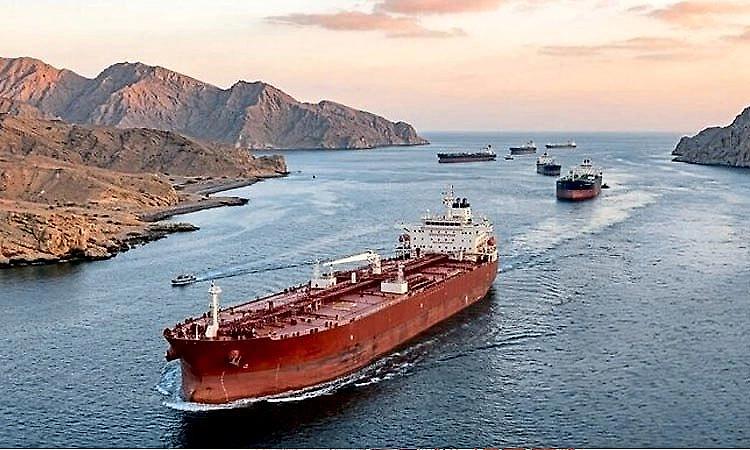
The Brent crude oil price recovered on Wednesday, November 11, 2026, after falling to a two-month low in the previous trading session. Renewed attacks on commercial shipping around the Strait of Hormuz have brought supply disruption concerns back into focus, offsetting some of the optimism surrounding a possible diplomatic agreement between the United States and Iran.
At approximately 9:50 AM IST, Brent crude futures had climbed 1.1% to $92.53 per barrel, while US West Texas Intermediate (WTI) crude gained 0.8% to $86.71 per barrel. The rebound followed a sharp decline in the previous session as traders assessed the possibility of reduced military tensions in the Middle East.
The latest movement highlights how sensitive oil prices today remain to developments around one of the world’s most important energy shipping routes. Although diplomatic progress could ease market concerns, continuing maritime incidents are keeping uncertainty elevated.
What Triggered The Brent Crude Oil Price Rebound?
According to Reuters, the latest recovery came as renewed attacks on shipping vessels in and around the Strait of Hormuz offset expectations of a possible US-Iran diplomatic breakthrough.
Brent futures increased by $1.04, representing a 1.1% gain, to reach $92.53 per barrel. WTI crude rose by 67 cents, or 0.8%, to $86.71.
The recovery followed a difficult session for crude benchmarks. Both contracts had fallen to their lowest levels in approximately two months as markets responded to signals suggesting that Washington could avoid further military escalation if diplomatic efforts continued.
However, the latest shipping incidents have complicated that outlook. Traders are weighing the possibility that maritime security risks could continue even if political negotiations make progress.
Strait Of Hormuz Attacks Raise Fresh Oil Supply Concerns
The Strait of Hormuz remains central to the current energy market uncertainty because it connects the Persian Gulf with the Gulf of Oman and international shipping routes.
The waterway is a critical passage for crude oil and petroleum products exported by major Middle Eastern producers. Any prolonged disruption to commercial shipping could complicate deliveries and increase transportation costs.
Shipping incidents have continued despite expectations of reduced regional tensions. Data cited by Reuters showed that 37 vessels were attacked during October, representing the highest monthly total since the Middle East war began.
Among the more recent incidents, a tanker managed by Navig8 caught fire near the coast of Oman on Sunday. Iranian state media reported that three tankers had been hit after using routes described as unauthorised by Tehran.
Separately, the United Kingdom Maritime Trade Operations (UKMTO) reported that another tanker had been struck northeast of Lima, Oman, on Tuesday.
Iran’s Revolutionary Guards Navy also said that two tankers caught fire after hitting naval mines while travelling through what it described as an unauthorised route. That account represents the Iranian military’s statement and should not be treated as an independently established explanation of the incidents.
The continuing reports have increased attention on maritime security and the potential consequences for global energy transportation.
US-Iran Diplomacy Creates Two Opposing Market Signals
Diplomatic developments are creating uncertainty for traders. On one side, the possibility of an agreement between Washington and Tehran has encouraged expectations that military tensions could ease.
A reduction in hostilities could eventually improve shipping confidence and help restore more predictable oil transportation through the region.
On the other side, the continuing attacks suggest that a diplomatic breakthrough would not necessarily result in an immediate return to normal shipping conditions.
Commercial operators would still need to assess maritime security, insurance expenses and the risks associated with possible naval mines. These factors could influence how quickly shipping companies resume or expand their operations.
Consequently, the Brent crude oil price is responding to two competing developments: expectations of diplomatic progress and continuing risks to commercial shipping.
US Crude Inventories Add Another Factor For Traders
Supply-related developments in the United States are also influencing market expectations.
According to data from the American Petroleum Institute cited by market sources, US crude inventories increased by approximately 9 million barrels during the week ending November 6.
A rise in inventories can indicate that more crude is available in storage than previously expected. This may place downward pressure on prices, depending on refinery demand, imports, exports and broader consumption trends.
The inventory increase provides an important counterpoint to the geopolitical concerns surrounding the Middle East.
For traders monitoring oil prices today, the combination of higher reported US inventories and continuing shipping risks makes the market outlook particularly uncertain.
What The Oil Market Rebound Means For India
India remains exposed to international crude price movements because it imports a substantial share of its oil requirements.
A prolonged increase in global crude prices can raise the country’s import bill and create additional pressure on the trade balance and inflation.
Higher transportation and energy costs can also affect industries that depend heavily on petroleum products. However, a temporary recovery in international benchmarks does not automatically confirm an increase in domestic petrol or diesel prices.
The situation is particularly relevant in light of earlier concerns over India’s exposure to Middle Eastern supply disruptions, including the risks discussed in the previous Brent crude oil supply disruption report.
What To Watch Next In The Global Oil Market
The immediate direction of crude prices will depend on developments around the Strait of Hormuz, further shipping incidents and the progress of diplomatic discussions between the United States and Iran.
A sustained improvement in maritime security could reduce the risk premium currently influencing crude markets. However, additional attacks or restrictions on shipping could reverse the latest recovery and increase concerns about supply reliability.
For now, the Brent crude oil price remains below the levels recorded during the earlier stages of the conflict, but the latest rebound shows that geopolitical risks have not disappeared.
The direction of oil prices today will therefore depend on whether diplomatic progress translates into safer shipping conditions or whether maritime disruptions continue to undermine confidence in global energy supplies.




