
Israel Hamas Latest News: 5 Key Details After Senior Hamas Commander Is Killed in Gaza Strike
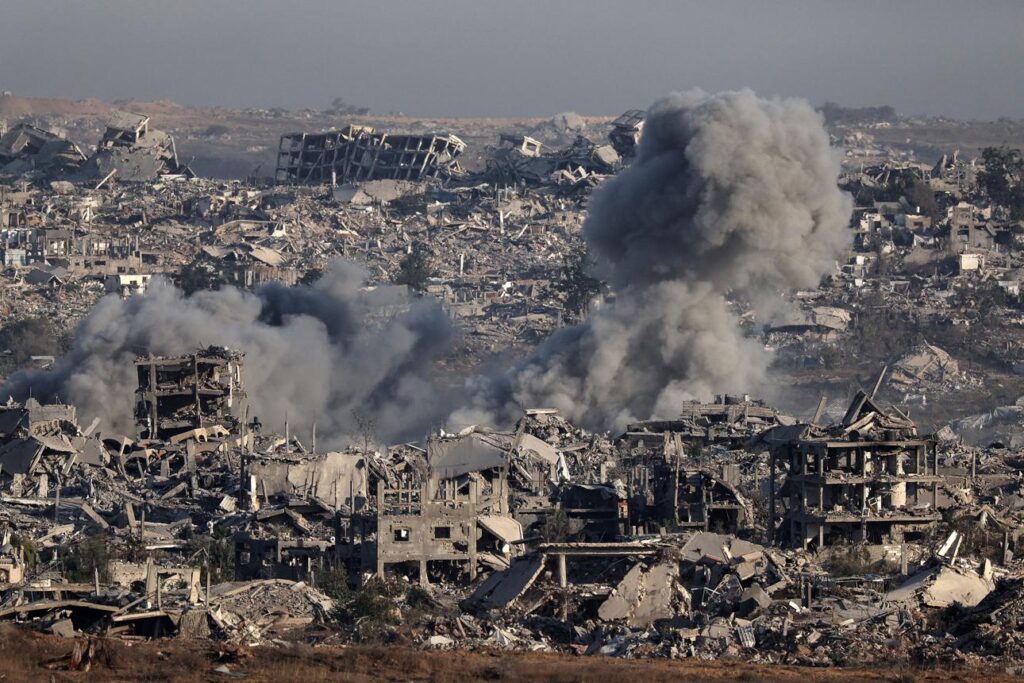
SOUTHERN GAZA: Israel Hamas latest news took a significant turn on Sunday, November 15, after Israeli forces announced that they had killed Samir Mahmoud Hassan Abu Younis, the commander of Hamas’s Rafah Brigade, in an overnight airstrike in the southern Gaza Strip.
The Israeli military said the operation took place shortly after midnight on Saturday. Hamas subsequently confirmed Abu Younis’s death and announced that a funeral would be held later on Sunday.
The killing marks another significant development in Israel’s ongoing campaign against Hamas’s military leadership, despite a ceasefire agreement that came into effect in October 2025.
According to the Associated Press, the Israeli military accused Abu Younis of helping rebuild Hamas’s military capabilities and directing plans for attacks against Israeli targets.
The announcement has renewed attention on the security situation in southern Gaza and the continuing difficulties surrounding the ceasefire.
Israel Confirms Killing Of Hamas Rafah Brigade Commander
The Israeli military announced the operation through a statement identifying Abu Younis as the commander of Hamas’s Rafah Brigade.
The Israeli military said he had assumed the position approximately two months earlier, following the death of his predecessor, Nael Abu Obeid, in an Israeli strike on September 15, 2026.
Abu Younis was not a newly appointed figure within the organisation’s military structure. According to the Israeli military, he had previously served as deputy commander of the Rafah Brigade and commanded the Tel al-Sultan Battalion.
Israeli authorities described him as a senior figure involved in maintaining the brigade’s operational structure.
The military further alleged that he had directed attacks against Israeli civilians and military personnel while working to restore Hamas’s military capabilities following the losses suffered during the war.
These allegations were presented by the Israeli military. The available reporting does not independently establish the details of his alleged operational activities.
The announcement that the Hamas commander killed was Abu Younis also highlighted the continued targeting of senior figures within the organisation’s military leadership.
Hamas Confirms Abu Younis’s Death
Hamas subsequently acknowledged the death of Abu Younis through a statement issued by its military wing, the Izz ad-Din al-Qassam Brigades.
The group identified him as the commander of its Rafah Brigade and confirmed that he had been killed in an Israeli military operation in southern Gaza.
Hamas described his death as an assassination and announced that a funeral would take place later on Sunday.
The confirmation was significant because the initial announcement had come from the Israeli military. Hamas’s acknowledgement established that the individual identified by Israel had indeed died.
However, the two sides presented the incident from different perspectives.
Israel described the operation as part of its efforts to eliminate what it considers continuing security threats from Hamas. Hamas condemned the killing and mourned the commander.
The incident has once again brought attention to the military confrontation between the two sides, which has continued even after the ceasefire agreement.
Abu Younis Had Taken Command Only Two Months Earlier
One of the most important aspects of the latest development is the relatively short period Abu Younis spent leading the Rafah Brigade.
He reportedly assumed command after Nael Abu Obeid was killed in September.
Abu Obeid had himself replaced Muhammad Shabana, another senior commander of the Rafah Brigade who was killed in an Israeli strike in May 2025.
The repeated loss of senior commanders demonstrates the pressure facing Hamas’s military leadership in southern Gaza.
For Israel, targeting senior commanders is part of its broader effort to prevent Hamas from restoring its organisational and military capabilities.
However, eliminating individual commanders does not automatically mean that the wider military organisation has been dismantled.
Armed organisations can appoint replacements, reorganise their leadership structures and attempt to maintain operational networks even after suffering significant losses.
The latest Hamas commander killed operation therefore represents another setback for the Rafah Brigade, although its wider operational consequences remain uncertain.
Gaza Ceasefire Faces Renewed Pressure
The latest strike comes against the background of the ceasefire agreement that took effect in October 2025 following prolonged fighting between Israel and Hamas.
Although the agreement reduced the intensity of major military operations, it has not completely stopped violence across the Gaza Strip.
Israel has continued to conduct military operations, arguing that Hamas and other armed groups remain security threats.
Hamas, meanwhile, has repeatedly accused Israel of violating the ceasefire through military attacks and continued operations in Palestinian territory.
The latest killing adds another complication to efforts to maintain the arrangement.
The situation is particularly sensitive because southern Gaza remains an important area in the broader military confrontation. Rafah, located near the Egyptian border, has been central to Israel’s military operations and Hamas’s organisational structure.
The Israel Hamas latest news development also comes as the two sides continue to disagree over the future security and political arrangements for Gaza.
The October 2025 ceasefire was intended to establish a framework for reducing hostilities and moving towards a broader settlement. However, continued military operations demonstrate that significant challenges remain.
What Happens After The Killing?
The immediate impact of Abu Younis’s death on Hamas’s military structure remains unclear.
Israel has not provided a detailed public assessment of how the operation could affect the Rafah Brigade’s remaining leadership or its ability to function.
Hamas has confirmed the commander’s death but has not publicly detailed a replacement arrangement in the reporting available at the time of publication.
The killing also raises questions about whether Israel will continue targeting senior Hamas figures despite the ceasefire.
For Israeli authorities, preventing the rebuilding of Hamas’s military capabilities remains a stated security priority.
For Hamas, maintaining its organisational structure after repeated leadership losses presents an ongoing challenge.
The latest Israel Hamas latest news therefore extends beyond the death of one senior commander. It highlights the continuing confrontation over military control, security arrangements and the future of Gaza.
While Hamas has confirmed the death of Abu Younis, the longer-term consequences of the strike will depend on how the organisation responds and whether the incident leads to further military escalation.
For now, the killing represents another major development in the fragile security situation in southern Gaza, where the ceasefire has yet to deliver a complete end to military violence.




