Sonia Gandhi Memoir: 5 Controversial Flashpoints as BJP Launches Fierce Attack
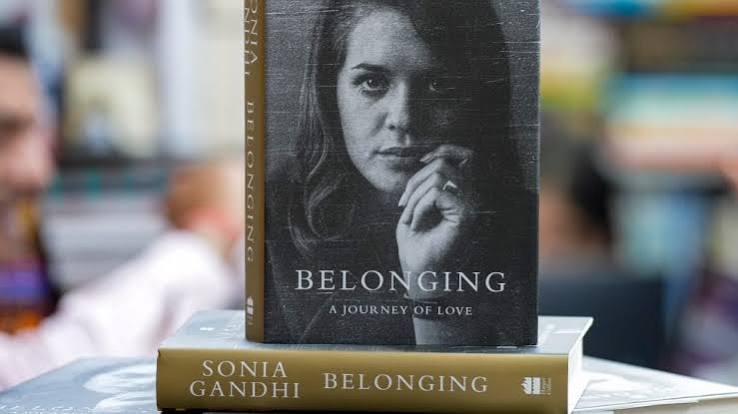
NEW DELHI: Sonia Gandhi memoir Belonging: A Journey of Love has triggered a fresh political confrontation after the BJP accused the Congress leader of presenting a selective account of some of the most controversial episodes in India’s modern political history.
The memoir, released in India on November 10, revisits Gandhi’s personal life, her entry into politics and major events involving the Nehru-Gandhi family. It also discusses the 1975 Emergency, the 1984 anti-Sikh violence, the 1992 Babri Masjid demolition and her views on Prime Minister Narendra Modi.
Sonia Gandhi Memoir Reopens Emergency Debate
The sharpest BJP criticism has focused on Gandhi’s account of the Emergency imposed in 1975 by then Prime Minister Indira Gandhi.
In the book, Gandhi describes the Emergency as a mistake and writes that she believes Indira Gandhi eventually reached the same conclusion. She also argues that keeping Sanjay Gandhi, Indira Gandhi’s younger son, under greater control could have prevented some of the damage associated with the period.
The BJP has rejected that interpretation. National spokesperson C.R. Kesavan accused Gandhi of attempting to “whitewash” the historical record and said the memoir should have carried a different title.
Those remarks are political criticism, rather than an independent finding about the historical accuracy of Gandhi’s account.
BJP Challenges Account Of 1984 Violence
The Sonia Gandhi memoir also revisits the 1984 anti-Sikh violence that followed Indira Gandhi’s assassination.
Gandhi describes the violence as a tragic and shameful chapter. She also discusses questions surrounding the deployment of the Army in Delhi and presents her understanding of events involving the then Army chief, General A.S. Vaidya.
BJP leader H.S. Phoolka has challenged parts of that account, arguing that Gandhi’s description of the Army’s deployment does not match official records. His criticism is an allegation about the historical record and should not be treated as an established finding without further verification.
Babri Masjid Account Fuels Political Row
Another major flashpoint is Gandhi’s recollection of the 1992 Babri Masjid demolition.
Gandhi writes that she was deeply distressed while watching the demolition and describes it as an important turning point in India’s political history. BJP leaders seized on those remarks to question whether her memoir gives equal attention to other episodes of communal violence and terrorism.
Kesavan specifically contrasted Gandhi’s emotional response to Babri Masjid with the 1984 violence and the deaths of security personnel in later attacks.
The criticism has added the memoir to a wider political debate over how India’s major parties remember and interpret divisive historical events.
BJP Also Targets Gandhi’s Modi Remarks
The political controversy extends beyond historical events.
In the Sonia Gandhi memoir, Gandhi writes about her relationship, or lack of one, with Prime Minister Narendra Modi. She says she has had practically no real contact with him and offers her assessment of his political rise and background. BJP leaders have also criticised those observations.
The dispute comes as political arguments between the BJP and Congress remain intense on several fronts, including questions about elections and institutions. Recent clashes have included Rahul Gandhi’s allegations concerning electoral rolls and the Election Commission, claims that the poll panel and BJP have rejected.
What The Memoir Actually Says
It is important to separate the contents of Gandhi’s memoir from the political response to it.
The book is presented by Gandhi as a personal account of her life, family and experiences in India. Before its release, she described it as a personal rather than political book and said she wanted to present the people around her, including their motivations, struggles and flaws, from her own perspective.
The Sonia Gandhi memoir nevertheless deals with events that remain politically sensitive decades later. That has made the book a source of immediate political debate rather than simply a personal recollection.
The BJP’s allegations that Gandhi is attempting to “whitewash” history represent the party’s political interpretation of the book. They should therefore be distinguished from independently established facts about the Emergency, the 1984 violence or the Babri Masjid demolition.
As the memoir receives wider public attention, the political dispute is likely to continue around how Gandhi portrays her family, Congress’s historical record and the events that shaped India’s modern political landscape.