CPCB Air Quality Data: 5 Key Facts Behind Delhi’s Diwali AQI Confusion
NEW DELHI: CPCB air quality data has come under intense public scrutiny after Delhi’s Diwali-night pollution readings varied sharply between the official monitoring system and private air-quality platforms. The Central Pollution Control Board (CPCB) has now explained why its National Air Quality Index (NAQI) showed readings below 500 while some private platforms displayed figures above 1,000.
The clarification comes after widespread discussion over Delhi air pollution and claims that official readings may have understated the severity of pollution during the festival.
CPCB Air Quality Data Uses A Different Method
The CPCB said the National Air Quality Index is designed to communicate the health impact of sustained exposure to air pollution rather than capture every short-lived change in pollutant concentration.
According to NDTV, the board said its system uses health-based concentration limits and weighted averaging periods, including 24-hour averages for several pollutants and eight-hour averages for some others.
This means a short pollution spike can produce a much higher real-time reading on another platform without producing an equivalent increase in the official NAQI value.
The distinction is important when comparing CPCB air quality data with readings published by private applications. Different systems can measure the same pollution event using different averaging periods, pollutant calculations and AQI scales.
Why Delhi AQI Readings Crossed 1,000 On Some Platforms
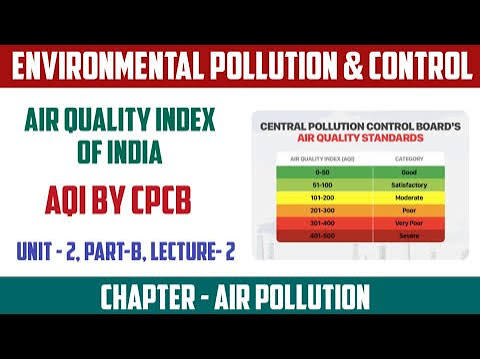
Delhi’s official average AQI on Diwali, November 8, was reported at 376, placing the city in the ‘very poor’ category under India’s national system. Several monitoring stations, however, entered the ‘severe’ category.
At the same time, independent platforms showed much higher figures during short periods after firecracker activity intensified. Some readings circulated online above 1,000, creating confusion over whether Delhi’s official system was accurately reflecting conditions on the ground.
The figures are not necessarily directly comparable. India’s NAQI has a maximum value of 500, while some international and private systems use different scales that can produce four-digit readings.
Monitoring Gaps Add To The Debate
The CPCB also addressed questions about missing data during periods of extreme pollution.
The board said some particulate-matter analysers were originally calibrated to measure concentrations up to 1,000 micrograms per cubic metre. When hourly measurements exceed that calibrated range, the automated validation system can classify them as out of range rather than use them in the AQI calculation.
During extreme episodes such as Diwali firecracker bursts, the CPCB said this can create apparent gaps in monitoring data at individual stations.
That explanation has become a major part of the debate surrounding CPCB air quality data, particularly because extremely high particulate concentrations were recorded during the night.
Delhi Air Pollution Remained A Serious Health Concern
The disagreement over AQI calculations does not mean the underlying pollution was insignificant.
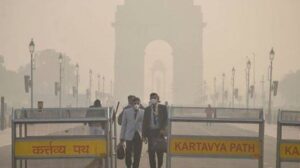
Delhi air pollution remained at dangerous levels around Diwali, with particulate matter rising sharply at several monitoring locations. The CPCB itself recorded numerous stations in the severe category.
The difference between the numbers therefore reflects measurement methodology rather than proof that pollution was absent or harmless.
For residents, the health category and associated precautions remain important even when different platforms display different numerical AQI values.
CPCB Says Monitoring System Is Being Improved
The CPCB said monitoring equipment has improved since the national AQI system was introduced in 2015 and that instruments are being replaced as the monitoring network expands.
The board also said it remains committed to transparent and scientifically reliable reporting and is reviewing its monitoring network and methodology with experts.
The continuing controversy means India AQI reporting is likely to remain under scrutiny, particularly during severe pollution episodes when short-term spikes can expose differences between official averages and real-time readings.
For now, the central issue is not simply whether Delhi’s AQI was 376, 500 or above 1,000. The figures come from different systems and cannot be treated as identical measurements. The clearer conclusion is that Delhi air pollution became extremely severe around Diwali, while questions remain over how extreme short-term pollution spikes should be captured and communicated to the public.