Lithium Ion Battery Waste Export Ban: 5 Key Changes to Boost India’s Recycling Industry
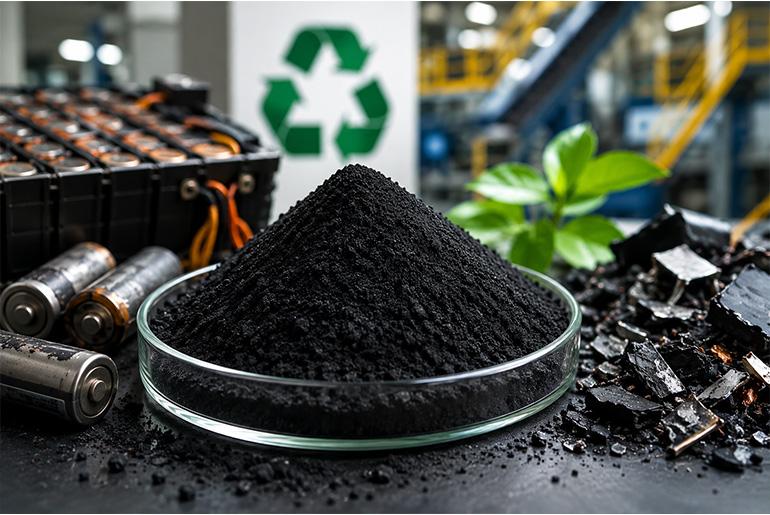
NEW DELHI: The lithium ion battery waste export ban has come into effect after the Indian government prohibited the export of specified categories of unsorted battery waste and scrap, including lithium-ion battery black mass. The Directorate General of Foreign Trade (DGFT) introduced the restriction through Notification No. 49/2026-27, dated November 10, 2026. The decision changes the export classification of the covered material from ‘Free’ to ‘Prohibited’ with immediate effect.
The India battery export ban applies to unsorted waste and scrap of primary cells, primary batteries and electric accumulators that do not contain lead, cadmium or mercury. The restriction is expected to influence India’s battery recycling and critical mineral recovery industries by keeping the specified material within the domestic market. However, the notification does not impose a blanket ban on every type of battery, battery scrap or processed battery material.
What Does The Lithium Ion Battery Waste Export Ban Cover?
The new restriction specifically covers goods classified under ITC (HS) Code 85491400. This category includes unsorted waste and scrap of primary cells, primary batteries and electric accumulators, as well as spent batteries that do not contain lead, cadmium or mercury.
The notification specifically identifies this material as lithium-ion battery black mass.
Before the amendment, exports under this classification were permitted under the ‘Free’ category. This meant exporters could ship the specified material overseas, subject to applicable trade and regulatory requirements.
Following the latest amendment, the export classification has changed to ‘Prohibited’. The restriction will remain in force until further orders.
According to the notification details reported by ANI, the government introduced the change under the Foreign Trade (Development and Regulation) Act, 1992, along with the Foreign Trade Policy, 2023.
What Is Lithium-Ion Battery Black Mass?
Black mass is a powder-like material produced during the recycling of used lithium-ion batteries. Recyclers first dismantle and process battery cells to separate materials such as plastic, metal casings and other components. The remaining concentrated material is commonly known as black mass.
It contains several valuable materials that can be recovered through further industrial processing.
These include:
-
Lithium: An important material used in rechargeable batteries.
-
Nickel: Used in several lithium-ion battery chemistries.
-
Cobalt: Another important component of certain rechargeable battery types.
-
Manganese: Used in different battery compositions.
-
Graphite: Commonly used in battery anodes.
The recovered materials can support the manufacturing of batteries used in electric vehicles, smartphones and energy storage systems.
This makes black mass an important input for the battery recycling industry rather than ordinary waste with no commercial value.
Why Has India Changed The Export Policy?
The lithium ion battery waste export ban comes at a time when countries are paying greater attention to critical mineral supplies and domestic battery manufacturing.
Lithium, nickel and cobalt are important materials for several modern energy technologies. Their availability affects industries involved in electric mobility, electronics and renewable energy storage.
Recovering these materials from discarded batteries offers another source of supply. Instead of depending entirely on newly mined minerals or imported processed materials, recycling companies can recover valuable resources from batteries that have reached the end of their useful life.
Keeping specified black mass within India could therefore increase the material available to domestic recycling and mineral recovery businesses.
However, the notification itself does not provide a detailed economic assessment or quantify how much additional material will become available to Indian recyclers.
How The India Battery Export Ban Could Affect The Recycling Industry
The India battery export ban could have implications for businesses involved in battery collection, dismantling, recycling and mineral recovery.
One potential benefit is improved access to domestic raw materials. If more black mass remains available within the country, Indian recyclers could have greater opportunities to recover lithium and other valuable materials.
The policy could also encourage investment in processing facilities. Recovering useful minerals from black mass requires specialised equipment, chemical processing and appropriate environmental controls. Companies with the necessary infrastructure may benefit from a more reliable domestic supply of recyclable material.
However, the actual impact will depend on several factors, including:
-
The quantity of battery waste collected within India.
-
The processing capacity of domestic recycling companies.
-
The cost of recovering battery-grade materials.
-
The quality and composition of available black mass.
-
Demand from battery manufacturers and other industrial buyers.
The export restriction alone does not guarantee lower production costs or greater profitability for domestic recycling businesses.
What Does The New DGFT Notification Say?
The amendment was issued through Notification No. 49/2026-27 on November 10, 2026.
The government exercised its powers under Sections 3 and 5 of the Foreign Trade (Development and Regulation) Act, 1992, while making the amendment under the Foreign Trade Policy, 2023.
The notification changes the export policy for the specified category under ITC (HS) Code 85491400 from ‘Free’ to ‘Prohibited’.
It also states that the restriction will remain effective until further orders.
Importantly, transitional arrangements under Paragraph 1.05 of the Foreign Trade Policy, 2023, apply to the policy change. This provision is relevant to the treatment of existing export commitments and authorisations, subject to the applicable conditions.
Businesses involved in battery recycling and exports will need to examine the notification and applicable transitional provisions before making decisions about existing shipments or commercial agreements.
Does The Ban Cover All Lithium-Ion Batteries?
No. This is an important distinction in the new policy.
The lithium ion battery waste export ban concerns a specified category of unsorted battery waste and scrap, including lithium-ion battery black mass without lead, cadmium or mercury.
It should not be interpreted as a prohibition on exporting all lithium-ion batteries, newly manufactured battery products or every form of processed battery material.
The notification specifically identifies the covered material through its ITC (HS) classification. Exporters must therefore consider the actual product description, composition and applicable customs classification rather than assuming that every battery-related shipment is prohibited.
This distinction is particularly important for companies involved in battery manufacturing, international trade and recycling operations.
What Happens Next For India’s Battery Recycling Sector?
The India battery export ban marks an important change in India’s approach to trading specified battery waste and recovering valuable materials.
The restriction could create additional opportunities for domestic recyclers by limiting overseas shipments of the covered black mass. It also highlights the growing importance of recovering critical minerals from discarded batteries.
However, the long-term results will depend on whether Indian companies can develop sufficient processing capacity, maintain commercially viable recycling operations and recover materials at the quality required by battery manufacturers.
For now, the immediate development is clear: exports of the specified unsorted battery waste and scrap under ITC (HS) Code 85491400 have been prohibited until further orders.
The policy does not establish a blanket export restriction on all lithium-ion battery products, but it changes the trade environment for businesses handling the covered battery waste.