Wipro BP Employees Deal: 5 Major Developments as 3,000 Workers Shift Amid AI-Led Outsourcing
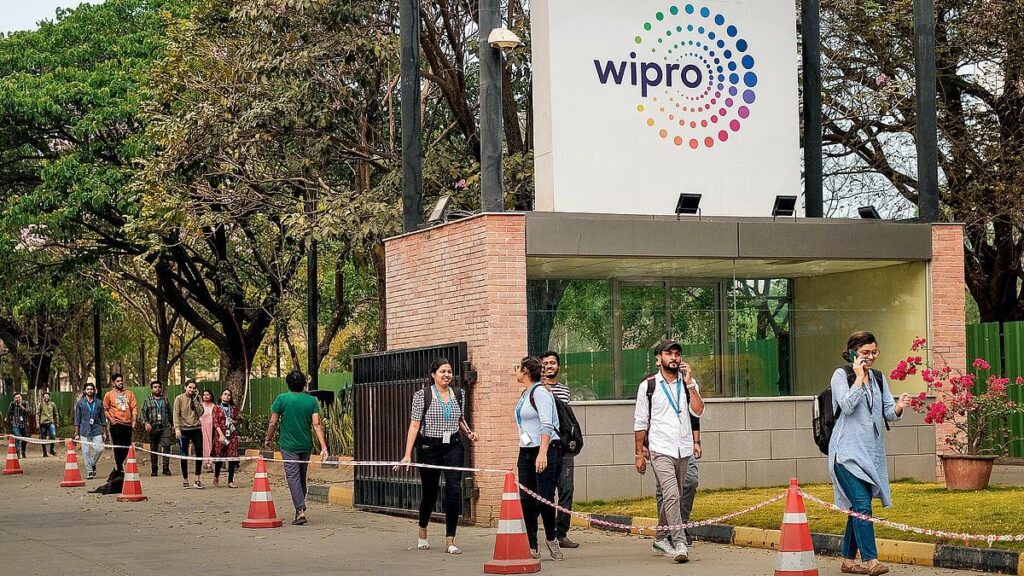
INDIA: The Wipro BP employees deal will see approximately 3,000 employees working in British energy company BP’s finance operations move to Indian IT services provider Wipro under a new strategic outsourcing partnership announced on November 25, 2026.
The employee transition will involve workers based in India, Hungary and Malaysia. The new operating model is expected to take effect in 2027, subject to applicable conditions.
The agreement brings together Wipro’s capabilities in artificial intelligence (AI), automation and business transformation with BP’s existing finance operations workforce. The companies intend to improve operational efficiency, simplify financial processes and strengthen BP’s long-term cost competitiveness.
The development comes as multinational companies increasingly reconsider how they manage internal support functions, with outsourcing providers taking on both existing employees and responsibility for transforming business operations.
1. Around 3,000 BP Employees Will Move To Wipro
Under the agreement, approximately 3,000 employees currently supporting BP’s finance operations will transition to Wipro.
The workforce transfer will cover three countries:
- India
- Hungary
- Malaysia
These employees are already part of BP’s finance operations. Their transition to Wipro represents a change in their employment arrangements as the energy company moves towards an externally managed operating model.
The companies have not disclosed the country-wise distribution of the employees involved in the transition.
The announcement also does not specify individual job roles, salary arrangements or the precise locations from which the employees will move.
The transition is expected to take place during 2027, subject to applicable conditions.
The Wipro BP employees deal is therefore different from a conventional recruitment announcement. Rather than creating 3,000 entirely new positions, Wipro will take over an existing workforce with experience in BP’s financial operations.
2. AI And Automation Will Drive The New Finance Operating Model
Artificial intelligence and automation are central to the partnership.
Wipro will combine its technology and consulting capabilities with the existing knowledge of BP’s finance employees to improve how financial operations are managed.
The companies intend to use technology to simplify processes, improve efficiency and deliver better operational outcomes.
However, neither company has publicly disclosed the specific AI platforms, automation tools or individual finance processes that will be introduced under the arrangement.
The announcement also does not establish that the incoming employees will be replaced by AI systems.
Instead, the partnership combines an employee transfer with a broader technology-led transformation of BP’s finance operations.
This development reflects a wider shift in the technology industry, where companies are increasingly integrating AI capabilities into traditional outsourcing services.
The expansion of AI-powered tools, including Google’s Gemini-powered desktop search, illustrates how artificial intelligence is becoming integrated into everyday business and technology operations.
3. BP Will Retain Control Over Important Standards And Data
Although Wipro will take responsibility for the transferred workforce and the associated finance operations, BP will retain overall accountability for important governance functions.
According to the companies’ announcement, BP will continue overseeing:
- Operational standards
- Internal controls
- Data governance
- Technology governance
PwC will provide controls oversight under the new arrangement.
This division of responsibilities is important because outsourcing operational activities does not mean that BP is transferring all responsibility for how its financial systems are governed.
The arrangement allows BP to use Wipro’s technology capabilities while retaining oversight of standards, controls and data.
The companies have not published a detailed breakdown of how responsibilities will be divided across individual teams or locations.
4. Why BP Is Expanding Its Outsourcing Strategy
The partnership comes as BP works to strengthen its financial performance and improve long-term cost competitiveness.
The energy company has been focusing on reducing costs, simplifying operations and improving its financial position.
Transferring internal support functions to specialist service providers can help businesses access established technology infrastructure, operational expertise and automation capabilities without independently managing every part of those functions.
The BP outsourcing deal India is also part of a wider trend involving multinational companies transferring existing employees to external service providers.
For IT services companies, these arrangements can provide access to experienced workforces and long-term business relationships.
The model also creates opportunities to expand beyond conventional software development and IT support into finance, business-process management and enterprise transformation.
However, the companies have not disclosed the financial value or duration of the Wipro-BP agreement.
Therefore, reports estimating the contract’s total value should be distinguished from the officially confirmed terms.
5. What The Agreement Means For Wipro And The Indian IT Industry
For Wipro, the agreement represents an opportunity to expand its involvement in large-scale business transformation projects.
The company employs more than 240,000 people across 65 countries and provides technology services and consulting to businesses worldwide.
Adding approximately 3,000 experienced finance operations employees will strengthen its workforce in this business area.
The agreement also highlights the growing importance of combining traditional outsourcing with AI-powered services.
Indian IT companies are increasingly competing for contracts that involve managing entire business functions rather than simply providing software development or technical support.
However, the transition also comes at a time when employment patterns across the technology industry are changing.
Developments such as Qualcomm’s India layoffs and severance arrangements demonstrate how technology companies are restructuring their workforces as business priorities evolve.
The Wipro-BP arrangement represents a different model because it involves transferring existing employees to an external service provider rather than announcing conventional job cuts.
For employees, the practical implications will depend on the individual employment terms and arrangements communicated during the transition.
Neither company has publicly disclosed detailed information about compensation, benefits or the treatment of individual employment contracts.
What Happens Next?
The new operating model is expected to take effect in 2027, subject to applicable conditions.
Until then, the companies will need to complete the necessary transition arrangements and prepare the operational structure for the transfer of the workforce.
BP will retain accountability for standards, controls, data and technology governance, while Wipro will bring its AI, automation and transformation capabilities into the finance operations.
The Wipro BP employees deal is an important example of how global companies are changing their approach to outsourcing.
For India’s IT services industry, the BP outsourcing deal India highlights an opportunity to move beyond traditional technology contracts towards integrated business operations supported by AI and automation.
The longer-term impact will depend on how successfully Wipro integrates the incoming workforce, improves operational efficiency and delivers the transformation objectives outlined by both companies.