Delhi Crypto Fraud – 5 Alarming Details as Police Arrest Four in Alwar Cryptocurrency Scam
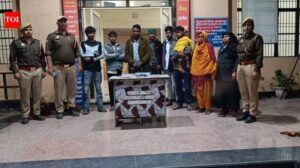
DELHI: Delhi crypto fraud investigators have arrested four men accused of operating an organised cryptocurrency fraud network allegedly based in Alwar, Rajasthan. Delhi Police announced the arrests on November 24, 2026, following an investigation into the theft of 4,985 USDT, worth approximately ₹5 lakh, from a cryptocurrency trader through fraudulent peer-to-peer (P2P) transactions and phishing links.
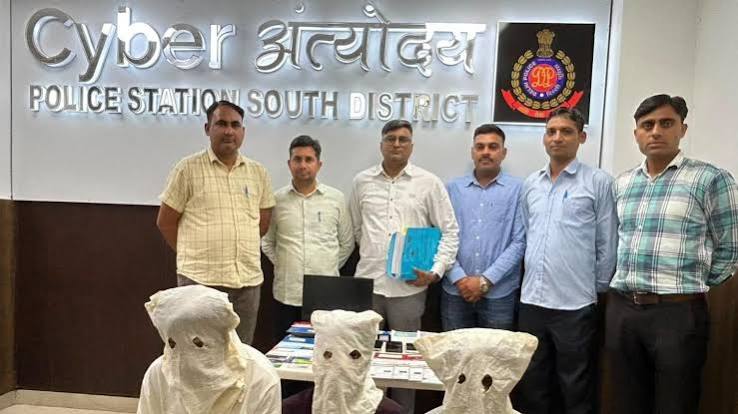
The operation led to the recovery of ₹1.62 lakh in cash, 11 mobile phones, an iPad, a Wi-Fi router and six SIM cards. Police also confirmed that the entire cryptocurrency amount taken from the complainant had been recovered and returned.
According to the police investigation, the alleged syndicate recruited young men from villages around Alwar to identify cryptocurrency traders and facilitate fraudulent transactions. Investigators believe the network used rented marketplace accounts, WhatsApp communications and phishing links to gain access to victims’ digital wallets.
How The Delhi Crypto Fraud Investigation Began
The case originated from a complaint filed by a cryptocurrency trader who reported losing 4,985 USDT from his digital wallet on June 6, 2026.
According to the complainant’s account to investigators, he had placed an active sell order on a cryptocurrency P2P marketplace when someone contacted him while pretending to be a prospective buyer.
The conversation was subsequently moved to WhatsApp.
The alleged buyer presented himself as someone interested in purchasing USDT. During the interaction, a phishing link was used to gain access to the trader’s cryptocurrency wallet.
The entire balance of 4,985 USDT was subsequently transferred without the account holder’s authorisation.
The cyber police station registered the case on July 2, 2026, under charges relating to cheating by personation and criminal conspiracy.
Police began examining the digital evidence, communication records and telephone numbers associated with the suspected transaction.
Four Accused Arrested Across Rajasthan And Delhi
The investigation was conducted by the South-West District Cyber Police team under the supervision of Deputy Commissioner of Police Amit Goel.
A team led by Station House Officer Pravesh Kaushik examined call detail records (CDRs), Internet Protocol Detail Records (IPDRs) and WhatsApp numbers to identify the people allegedly involved.
The technical investigation led officers towards a suspected operation in Alwar, Rajasthan, where Atul Meena was identified as a key suspect.
Police initially conducted a raid at his hideout in Alwar. Officers recovered ₹1.62 lakh in cash, three mobile phones, an iPad, a Wi-Fi router and five SIM cards. However, Atul was not apprehended during that operation.
Further technical leads took investigators to Jaipur, where three alleged associates were arrested.
They were identified as:
-
Jagmohan Meena, 19.
-
Narender Kumar Meena, 22.
-
Manish Meena, 24.
Eight mobile phones were recovered from the three men.
During interrogation, the arrested individuals allegedly disclosed that they had been working with Atul Meena under a profit-sharing arrangement.
Further police operations eventually led to Atul’s arrest near Dhaula Kuan in Delhi.
All four men are accused in the case. Their arrests do not establish guilt, and the investigation remains ongoing.
How The Alwar Cryptocurrency Scam Allegedly Worked
Investigators believe the Alwar cryptocurrency scam operated through a structured recruitment and communication system rather than relying on a single person approaching victims.
According to DCP Amit Goel, the alleged network recruited young men from villages around Alwar by offering them a share of the profits generated through fraudulent activities.
The recruits reportedly had several responsibilities, including arranging rented P2P marketplace accounts, obtaining SIM cards and creating WhatsApp and Instagram accounts.
The alleged operation followed a specific sequence:
1. Finding Potential Victims: Associates published online advertisements targeting people interested in selling USDT through Binance P2P.
2. Establishing Contact: Interested cryptocurrency sellers responded to the advertisements and were approached by people posing as prospective buyers.
3. Moving Conversations To WhatsApp: The recruits reportedly shared the traders’ WhatsApp contact details with Atul Meena.
4. Sending Phishing Links: Atul allegedly posed as a genuine buyer and used links to induce traders to provide access to their cryptocurrency wallets.
5. Transferring Cryptocurrency: Once access was obtained, the victim’s available USDT balance was allegedly transferred without authorisation.
Police suspect that the use of multiple accounts, SIM cards and social media profiles helped the group approach potential victims while distributing different responsibilities among its members.
Police Recover ₹5 Lakh And Electronic Devices
One significant development in the Delhi crypto fraud investigation is the recovery of the entire amount allegedly taken from the complainant.
Police confirmed that the 4,985 USDT, valued at approximately ₹5 lakh, was seized and refunded to the victim.
Investigators also recovered several items during the operation:
| Recovered Items | Quantity |
|---|---|
| Cash | ₹1.62 lakh |
| Mobile phones | 11 |
| iPad | 1 |
| Wi-Fi router | 1 |
| SIM cards | 6 |
The electronic devices and SIM cards could provide investigators with additional information about the alleged operation, including communications, account activity and connections between the suspects.
The recovery of these items also forms part of the continuing investigation into the suspected financial and digital infrastructure used by the group.
Why Binance P2P Transactions Became A Target
The alleged fraud highlights how criminals can exploit the communication process surrounding cryptocurrency transactions.
Peer-to-peer marketplaces allow buyers and sellers to connect directly and arrange cryptocurrency transactions. However, scammers may attempt to move conversations away from the platform and use impersonation or phishing techniques to deceive traders.
In this case, police allege that the suspects used advertisements to attract USDT sellers before shifting discussions to WhatsApp.
The alleged use of rented accounts and multiple communication channels is particularly relevant because it can make identifying the actual person behind a transaction more difficult.
India’s growing cryptocurrency ecosystem has also generated questions about payment security and regulatory oversight. An earlier Reportiva investigation into UPI cryptocurrency payments examined the challenges arising when digital assets interact with conventional payment infrastructure.
The present case, however, concerns alleged wallet theft through phishing rather than the legality of cryptocurrency payments.
WhatsApp And Phishing Links Under Investigation
WhatsApp played an important role in the alleged fraud, according to investigators.
Police said the suspects used the messaging platform to communicate with potential cryptocurrency sellers and allegedly facilitate the transfer of wallet access.
Phishing attacks typically involve deceptive messages or websites designed to make victims disclose sensitive information or approve actions that compromise their accounts.
The technique can be particularly effective when a fraudulent message appears to be part of a legitimate transaction.
The risks associated with digital communication are also addressed in the Centre’s recent WhatsApp Web security warning, which discusses account access, impersonation and phishing-related threats.
Although the two incidents involve different circumstances, both demonstrate why users should carefully verify unexpected requests and avoid opening suspicious links.
Investigation Continues To Identify Other Possible Victims
Delhi Police have said that the investigation is continuing.
Officers are examining transaction records and attempting to identify additional people who may have been targeted through the same alleged method.
Investigators are also working to trace the cryptocurrency exchange wallets and accounts potentially connected with the operation.
The examination of seized mobile phones, SIM cards and other electronic equipment could help establish the extent of the alleged network and identify additional participants.
The investigation also raises questions about how the suspects allegedly obtained marketplace accounts and communication resources.
A separate Uttarakhand SIM box bust previously highlighted the misuse of telecommunications infrastructure in suspected cybercrime operations. However, there is no established connection between that case and the present cryptocurrency investigation.
What Cryptocurrency Traders Should Watch Out For
The Alwar cryptocurrency scam highlights several precautions that traders should consider when using P2P marketplaces.
-
Avoid opening payment or verification links received from unknown buyers.
-
Keep transaction-related communication within the platform wherever possible.
-
Never disclose wallet recovery phrases, private keys or authentication credentials.
-
Verify the identity and transaction details of the other party before approving any action.
-
Be cautious when someone insists on shifting a financial transaction to an unrelated messaging platform.
-
Report suspicious activity and unauthorised wallet transactions promptly.
Cryptocurrency transactions can be difficult to reverse once funds have been transferred. Traders should therefore treat unexpected links and requests for wallet access with particular caution.
The arrests mark a significant development in the Delhi crypto fraud investigation, but police are continuing to examine the alleged network and its wider activities.
The recovery and refund of the complainant’s entire cryptocurrency balance is an important outcome of the operation. Whether the investigation uncovers additional victims or associates will become clearer as authorities continue analysing the seized digital evidence.