Navi Mumbai Takes Top Cleanliness Honour as Indore’s Long Reign Ends
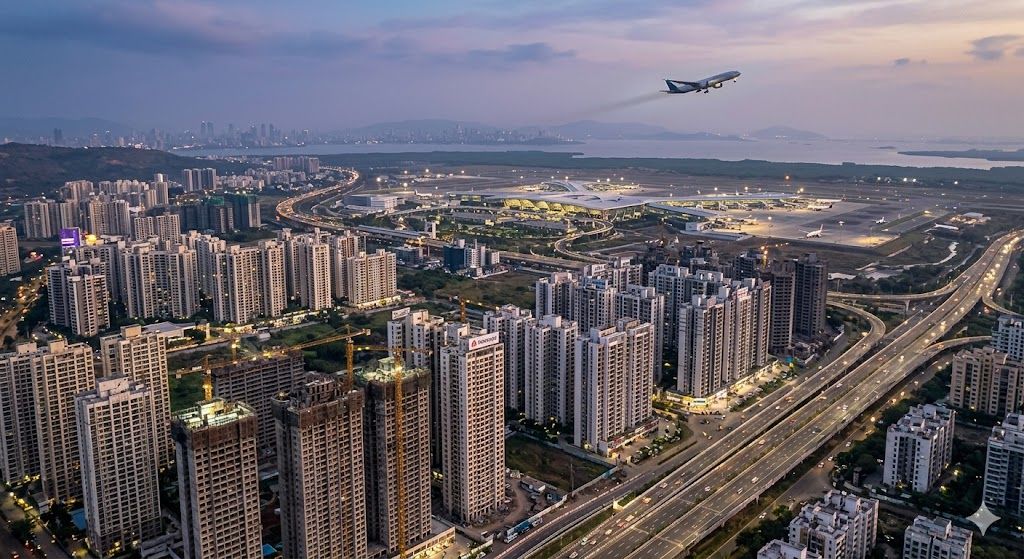
Navi Mumbai has secured the top position among India’s Clean Cities of the Super Swachh League in the Swachh Survekshan 2025-26, placing Maharashtra’s planned city ahead of Surat and Vijayawada in the latest national cleanliness assessment.
The results were announced on November 11 at Vigyan Bhawan in New Delhi, where President Droupadi Murmu presented the awards. Surat, Gujarat, finished second, while Vijayawada in Andhra Pradesh secured third place in the Super Swachh League category.
The result gives Navi Mumbai the leading position in a category that recognises cities with a sustained record of strong cleanliness performance. It also marks a change at the top of the national survey, where Indore had maintained its position for eight consecutive years before the assessment framework changed.
Indore’s eight-year run gives way to a new ranking structure
Indore’s absence from the leading position should be understood in the context of changes introduced in the previous edition of Swachh Survekshan.
The city, which dominated the cleanliness rankings from 2017 through 2023, entered the Super Swachh League in the 2024-25 survey alongside Surat and Navi Mumbai. The league was created to recognise cities that repeatedly performed well in their respective population categories.
For the 2025-26 edition, Indore participated in the Swachh Shehar Jodi initiative as a mentor city, partnering with Depalpur in Madhya Pradesh. The pair was among the three leading mentor-mentee combinations recognised at this year’s ceremony.
Ahmedabad-Sanand and Tirupati-Kuppam were the other two award-winning combinations.
This distinction matters when interpreting the latest results. Indore did not simply lose a head-to-head contest against Navi Mumbai in an unchanged ranking table. The survey recognises established high-performing cities through a separate league, alongside population-based rankings and other specialised categories.
More than 4,700 cities assessed in the national survey
The 2025-26 edition marked the 10th year of Swachh Survekshan, the annual cleanliness assessment conducted under the Ministry of Housing and Urban Affairs.
According to the government’s announcement, 4,751 urban local bodies were covered in this edition. The assessment examined 43 indicators across 10 key areas of urban sanitation and cleanliness.
These included:
-
Waste segregation, collection and transportation.
-
Solid waste management.
-
Visible cleanliness in public spaces.
-
Access to sanitation facilities.
-
Mechanisation of desludging services.
-
Used water management.
-
Citizen feedback and grievance redressal.
-
Welfare of sanitation workers.
-
Institutional support and public awareness.
More than 3,000 trained assessors carried out on-ground evaluations across the country. The assessment also used real-time GPS monitoring and a digital verification process.
Citizen participation was another significant component. Union Housing and Urban Affairs Minister Manohar Lal said approximately 2.70 crore citizens provided feedback during this year’s survey.
Visakhapatnam leads among cities with more than one million residents
While Navi Mumbai topped the Super Swachh League category, the survey also recognised leading cities across five population-based categories.
Greater Visakhapatnam Municipal Corporation secured first place among cities with populations exceeding one million. Jabalpur took second place, followed by Lucknow.
Other category winners included Ujjain in the 3-10 lakh population bracket, Dewas among cities with populations between 50,000 and 3 lakh, and Vita in the 20,000-50,000 category.
Bilha secured the top position among cities with populations below 20,000.
The results also introduced or expanded specialised recognition for towns based on their geographical characteristics.
Madhya Pradesh’s Rewa was recognised as the leading Swachh River Front Town, followed by Bilaspur in Chhattisgarh and Varanasi in Uttar Pradesh.
In the coastal category, Odisha’s Puri secured first place, followed by Alappuzha in Kerala and Ratnagiri in Maharashtra. Uttarakhand’s Rudrapur topped the Clean Himalayan City category, with Jammu and Shopian taking the next two positions.
Government highlights improvements in waste management
The awards ceremony also provided an opportunity for the government to outline progress under the Swachh Bharat Mission-Urban.
Manohar Lal said urban waste processing had increased from 16% in 2014 to 80%, while door-to-door waste collection coverage had risen from 44% to more than 96%.
He also reported that remediation of legacy waste dumpsites had freed nearly 11,000 acres of urban land for productive use.
The minister highlighted the Swachh Shehar Jodi initiative, through which 70 mentor cities have been paired with 191 mentee cities. The programme is intended to help urban local bodies share operational knowledge and improve waste management and sanitation services.
Another initiative mentioned at the event was PRAGATI-50, which aims to develop 50 cities as model clean cities through technology-based interventions and continuous monitoring.
President Murmu, meanwhile, stressed that maintaining clean cities requires participation beyond municipal administrations. She called for greater involvement from households, community organisations, young people and sanitation workers.
She also emphasised that citizen feedback should serve as a practical mechanism for identifying shortcomings and improving municipal services, rather than being used only to determine survey rankings.
Detailed rankings and local implementation remain important
Navi Mumbai’s recognition places the city at the forefront of this year’s Super Swachh League results. However, the broader assessment also illustrates the growing scale of the national cleanliness programme, with thousands of urban local bodies competing across different categories.
The Ministry of Housing and Urban Affairs said more than 1,700 urban local bodies with populations below 50,000 improved their rankings compared with 2024-25. More than 350 cities moved up by over 500 positions.
The government has also indicated that state-level award ceremonies will recognise leading cities within individual states and Union territories.
For Navi Mumbai, the award represents recognition under the national assessment framework. Sustaining that position will depend on the continued performance of civic sanitation services, waste management systems and public participation.
The latest results were announced on November 11, with the ministry’s detailed assessment framework and further ranking information expected to provide additional insight into individual city performance.