US Tariffs on India: 5 Critical Developments as Trump’s 25% Proposal Puts Trade Deal Under Pressure
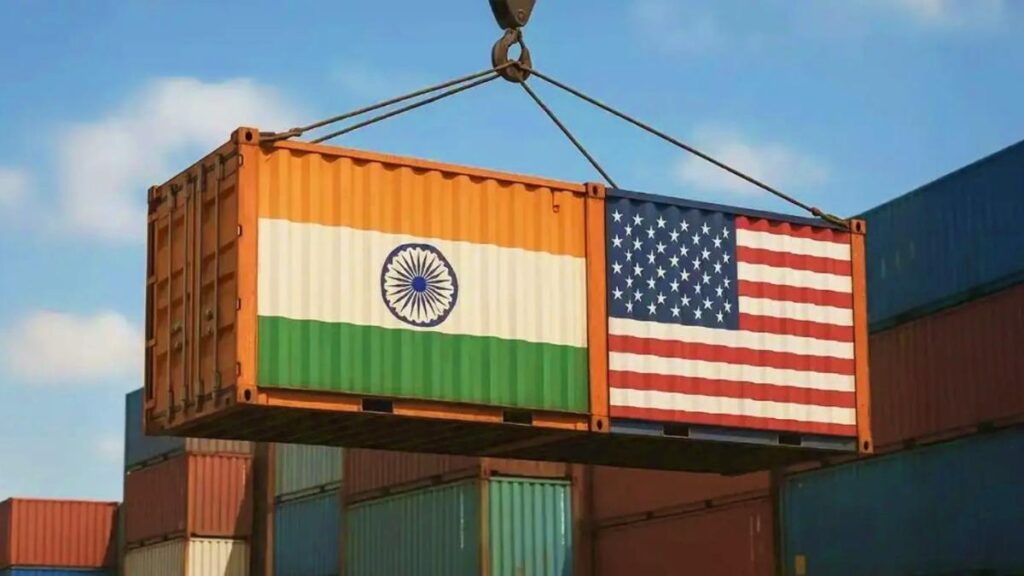
NEW DELHI / WASHINGTON: US tariffs on Indian imports could reach 25% under a new proposal announced by the Trump administration, with the rate potentially falling to 17% if India and the United States finalise a bilateral trade agreement. The proposal, announced on November 25, follows a US investigation into alleged structural excess manufacturing capacity across several economies.
The announcement has introduced another complication into ongoing negotiations between New Delhi and Washington. India has disputed the American assessment of its manufacturing sector and maintained that trade-related concerns should be addressed through bilateral discussions.
According to Reuters, US Trade Representative Jamieson Greer said Washington would cap the proposed tariff at 17% if the two countries reached an agreement. Without a deal, the rate could rise to 25%.
The proposal is not yet an implemented tariff. It must go through further regulatory steps, including public consultations and hearings.
1. US Proposes 25% Tariffs On Indian Imports
The United States Trade Representative (USTR) announced the proposed measures following investigations into manufacturing policies and industrial capacity across 16 economies.
Washington argues that certain countries maintain excess manufacturing capacity through government subsidies, financial support and other industrial policies. According to the US administration, these practices can allow foreign manufacturers to produce more goods than their domestic markets require and sell the surplus internationally at prices that disadvantage American businesses.
India is among the economies covered by the investigation.
The USTR has proposed tariffs of up to 25% on Indian goods, subject to certain exemptions and adjustments for existing duties.
The proposed action falls under Section 301 of the Trade Act of 1974, which allows the US government to investigate foreign trade practices considered unfair or harmful to American commerce.
For Indian exporters, the announcement creates uncertainty about future access to one of their most important international markets.
2. India Could Receive A Lower 17% Rate Under A Trade Agreement
The most significant part of the announcement is the possibility of reducing the proposed tariff from 25% to 17%.
US Trade Representative Jamieson Greer said the lower rate would apply if India reached a reciprocal trade agreement with Washington that addressed the findings of the investigation.
This would give India a comparatively favourable position against several Asian competitors.
Under the proposed arrangements, Bangladesh, Cambodia, Indonesia, Malaysia and Thailand could face an 18% rate if they reach agreements with Washington. Vietnam and China have been assigned proposed rates of 20% under their respective arrangements.
India’s proposed 17% rate would therefore provide a one-percentage-point advantage over several competing manufacturing economies.
However, the benefit depends on the successful conclusion of negotiations and the finalisation of the proposed tariff arrangements.
The India US trade deal 2026 has consequently become more important for Indian businesses seeking clarity about future export costs and competitiveness.
3. India Rejects US Allegations Of Structural Excess Capacity
The US investigation has raised questions about India’s manufacturing policies and industrial development strategy.
Washington argues that government support, industrial expansion policies and other market practices contribute to excess manufacturing capacity and create disadvantages for American producers.
India has rejected the allegation that its manufacturing sectors suffer from structural excess capacity.
In its response, the Ministry of Commerce and Industry said it had taken note of the USTR’s notice and was examining the findings.
The ministry also stated that India had informed the US during the investigation that it did not have structural excess capacity in any sector.
New Delhi maintained that trade-related concerns should be addressed through the ongoing bilateral trade negotiations.
The disagreement is important because the two governments have different assessments of India’s industrial policies.
While Washington considers certain practices harmful to American commerce, India maintains that the concerns should be resolved through negotiations rather than additional trade restrictions.
4. Indian Exporters Could Face Competitive Pressure
The proposed US tariffs on Indian imports could have consequences for businesses selling goods to American customers.
The United States is one of India’s largest export destinations, making changes in American import duties particularly important for manufacturers and exporters.
Industries that could be affected include:
-
Pharmaceuticals: Indian pharmaceutical companies depend significantly on international markets, including the United States.
-
Steel: Additional import duties could affect the competitiveness of Indian steel products.
-
Electronics: Manufacturers and suppliers could face higher costs and changes in sourcing arrangements.
-
Textiles: Exporters may experience pressure if American buyers seek alternative suppliers.
-
Engineering goods: Companies supplying industrial products to the US could face additional pricing challenges.
The actual impact will depend on the final tariff rates, product exemptions and the treatment of existing duties.
Importers may absorb some additional costs, negotiate lower prices with Indian suppliers or consider sourcing products from alternative markets.
This could affect exporters’ profit margins even if the full tariff burden is not passed directly to American consumers.
The situation also creates uncertainty for businesses making investment and production decisions based on long-term access to the US market.
5. India-US Trade Negotiations Face Another Important Test
The latest proposal comes after months of negotiations between the two governments over a broader bilateral trade agreement.
India and the United States had announced a framework for an interim trade agreement in February 2026. However, subsequent changes in the American tariff framework and legal developments surrounding US emergency tariff powers complicated the process.
The new Section 301 proposal introduces another issue that negotiators must address.
India wants trade-related concerns to remain within the framework of ongoing bilateral discussions. Washington, meanwhile, has indicated that a lower tariff rate would depend on an agreement addressing the findings of its investigation.
The wider diplomatic relationship also remains important.
During the November 17 Quad engagement in Manila, Donald Trump publicly praised Prime Minister Narendra Modi and described him as a respected leader.
The diplomatic interaction was covered in our earlier report on Trump’s praise for Modi.
However, positive diplomatic exchanges do not automatically resolve disagreements over tariffs, market access and manufacturing policies.
The India US trade deal 2026 will therefore require progress on the economic issues that remain unresolved between the two countries.
When Could The Proposed Tariffs Take Effect?
The proposed tariffs are not expected to take effect immediately.
The USTR has invited written submissions from interested parties until January 5, 2027, and scheduled public hearings for January 25.
These consultations will allow businesses, industry representatives and other stakeholders to respond to the proposed measures before the US government considers its final action.
Jamieson Greer has indicated that the proposed measures are unlikely to come into force for at least a couple of months.
The final decision will determine the applicable rates, exemptions and adjustments involving existing duties.
Until then, Indian exporters should not treat the proposed 25% rate or the conditional 17% rate as final implemented tariffs.
What Happens Next For India’s Economy?
The latest development places additional pressure on New Delhi and Washington to make progress in their trade negotiations.
For India, the immediate concern is maintaining competitive access to the American market while protecting its manufacturing and export interests.
A successful agreement could provide greater clarity for exporters and potentially secure the proposed 17% tariff rate.
However, if negotiations fail to produce an agreement, the proposed 25% rate could create additional challenges for businesses exporting to the United States.
The outcome will depend on the regulatory process, the final position of both governments and the progress of bilateral negotiations.
For now, the announcement represents a significant development in India-US economic relations, but it does not mean that a new 25% tariff has already been imposed on Indian goods.