Hyundai Price Hike December 2026 – 5 Important Changes as Car Prices Rise by ₹8,000
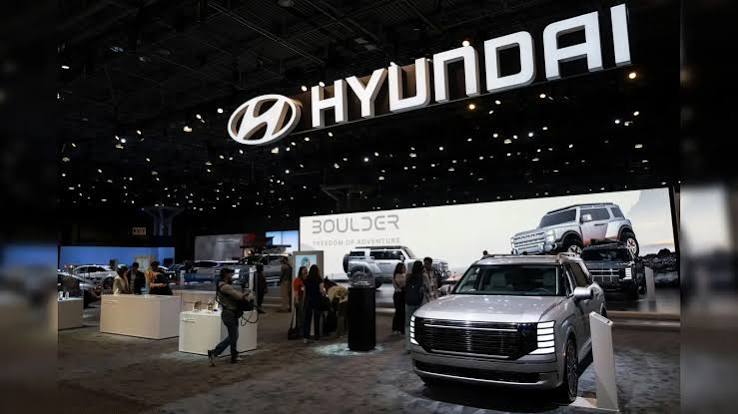
INDIA: Hyundai price hike December 2026 will make selected Hyundai vehicles more expensive from December 1, with Hyundai Motor India announcing an increase of up to ₹8,000 across certain models and variants. The company disclosed the decision on November 24, citing a sharp increase in input costs and the growing difficulty of absorbing additional manufacturing expenses.
The revision will affect selected models and trims rather than the entire vehicle lineup. Hyundai has not yet disclosed the specific vehicles or variants that will receive the increase.
The announcement comes as automobile manufacturers continue to face pressure from rising production costs, prompting companies to reconsider vehicle pricing ahead of the new year.
The development is particularly important for customers planning to purchase a Hyundai vehicle during the final weeks of November.
Hyundai Price Hike December 2026: What The Company Announced
Hyundai Motor India informed the stock exchanges on November 24 that it had planned a price revision across selected models and trims, effective December 1, 2026.
According to the company announcement, the increase will vary depending on the vehicle model and variant, with the maximum adjustment capped at ₹8,000.
The company described the revision as a minor price increase and explained that the decision had become necessary because of a steep rise in input costs.
The announcement does not mean that every Hyundai vehicle will become ₹8,000 more expensive. Some selected variants could receive a smaller adjustment, while other models may not be affected at all.
The exact revised prices will depend on the individual model and trim.
According to Reuters, the company said it had absorbed a substantial portion of rising costs through internal efficiency improvements and cost-optimisation measures before deciding to pass a limited portion of the additional expenses to customers.
Why Hyundai India Is Increasing Car Prices
Rising input costs are the primary reason behind the latest revision.
Automobile manufacturing involves several major expenses, including raw materials, components, energy, transportation and production operations. Changes in the prices of these inputs can directly affect the cost of manufacturing vehicles.
Steel and copper are particularly important materials in the automotive industry. Higher prices for these commodities can increase manufacturing expenses across different vehicle categories.
Manufacturers also face supply-chain expenses and fluctuations in the prices of components sourced from domestic and international suppliers.
Hyundai has indicated that it previously attempted to manage these pressures through internal efficiency improvements and cost optimisation.
However, the company has now decided to transfer a limited portion of the additional costs to buyers.
The Hyundai India car prices revision therefore reflects the company’s response to manufacturing cost pressures rather than a newly announced change in vehicle specifications or equipment.
Which Hyundai Cars Will Become More Expensive?
Hyundai has not released the complete list of affected models and variants.
Its Indian portfolio includes several popular vehicles across different categories, including:
-
Hyundai Grand i10 Nios: Entry-level hatchback.
-
Hyundai i20: Premium hatchback.
-
Hyundai Exter: Compact SUV.
-
Hyundai Venue: Compact SUV.
-
Hyundai Creta: Mid-size SUV.
-
Hyundai Alcazar: Three-row SUV.
-
Hyundai Verna: Sedan.
-
Hyundai Creta Electric: Electric SUV.
-
Hyundai Ioniq 5: Premium electric vehicle.
However, these vehicles should not be considered a confirmed list of models receiving the December price increase.
Hyundai has not identified which specific models or trims will be affected.
Customers should therefore wait for the individual revised price lists before assuming that their preferred vehicle will become more expensive.
What The Price Increase Means For Prospective Buyers
The December revision could influence purchasing decisions among customers who are already considering a Hyundai vehicle.
People planning to purchase a new car before the end of November may want to contact authorised dealerships to understand the current ex-showroom prices and applicable delivery timelines.
However, a purchase decision should not be based solely on the possibility of an ₹8,000 increase.
Buyers should also consider insurance, registration charges, financing costs, dealer-level offers and the availability of their preferred variant.
The final on-road price can differ considerably from the advertised ex-showroom price because it includes several additional expenses.
Customers should also request written quotations showing the applicable price before and after December 1.
The latest development follows the continuing expansion of India’s automobile market, where manufacturers are competing across petrol, diesel and electric vehicle categories. For instance, the launch of Ather’s Konarc electric scooter illustrates how manufacturers are also focusing on new vehicle segments and different price points to attract customers.
Hyundai Price Revision Comes Amid Wider Automobile Industry Pressure
Hyundai is not the only manufacturer reviewing vehicle prices in response to higher production expenses.
Automobile companies periodically revise prices to account for changes in raw material costs, manufacturing expenses and other business conditions.
The latest announcement also follows a similar decision by Maruti Suzuki, which announced a price increase on selected models from November 22, citing sustained cost pressures.
Such revisions can affect customer purchasing decisions, particularly when multiple manufacturers announce changes around the same period.
The automobile industry must balance higher production expenses against affordability and competition.
A small increase in vehicle prices can also influence customers comparing different brands, especially in competitive segments such as compact SUVs and hatchbacks.
The market for Mahindra vehicles, for example, forms part of the wider competitive landscape in which buyers compare vehicle pricing, features and ownership costs.
When Will The New Hyundai Prices Take Effect?
The revised prices will become effective on December 1, 2026.
Until then, customers can enquire about the existing prices and available dealership offers.
However, the actual benefit of purchasing before the deadline will depend on vehicle availability, booking conditions and the dealership’s applicable pricing policy.
Hyundai has not announced a universal ₹8,000 increase across its entire range, nor has it published a model-by-model breakdown of the revised prices.
The company is expected to communicate the applicable changes through its dealerships and updated price lists.
For now, the confirmed development is that selected Hyundai models and variants will become more expensive from December 1, with individual increases capped at ₹8,000.
The Hyundai price hike December 2026 announcement gives prospective customers advance notice to review their purchasing plans before the new prices take effect.