
Russia Iran Talks: 5 Crucial Developments in Fresh Moscow Diplomatic Talks
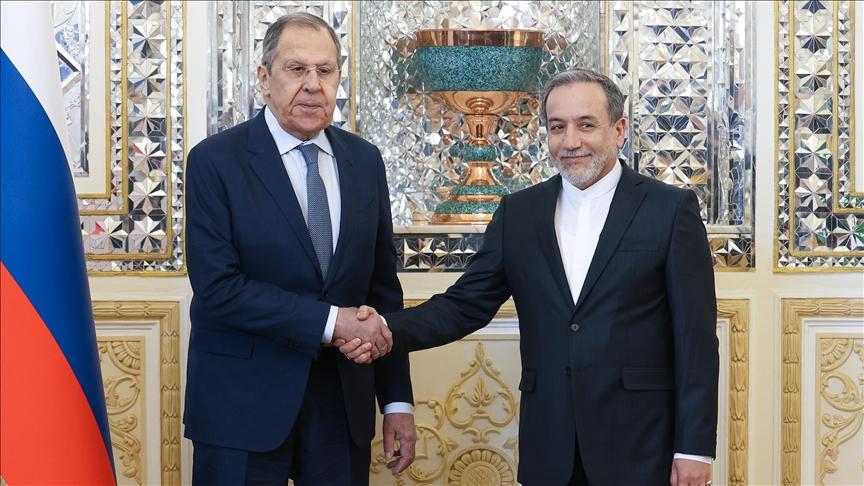
MOSCOW: Russia Iran talks have brought renewed diplomatic attention to the Middle East as Russian Deputy Foreign Minister Georgy Borisenko met Iranian Foreign Ministry official Mehdi Shoushtari in Moscow on November 10. The discussions focused on regional conflicts, including developments in the Middle East and North Africa, as both countries stressed the importance of resolving international disputes through political and diplomatic channels.
The meeting took place as tensions continued across the region, particularly around the Gulf and the Palestinian-Israeli conflict. The consultations involved officials from the two countries’ foreign ministries and formed part of their continuing diplomatic engagement.
According to a report published by Dawn, which cited Iran’s state news agency IRNA, the discussions also covered rising Gulf tensions and the need for diplomatic solutions to regional crises.
What Happened During The Russia Iran Talks?
Russian Deputy Foreign Minister Georgy Borisenko received Mehdi Shoushtari, the director general responsible for West Asia and North Africa at Iran’s Foreign Ministry.
Shoushtari had travelled to Moscow to participate in inter-ministerial consultations between the Russian and Iranian foreign ministries. The discussions were conducted at the level of officials responsible for regional affairs.
The Russian Foreign Ministry said the two officials examined current issues of mutual interest, with particular attention to resolving conflicts in the Middle East and North Africa.
The meeting did not produce a publicly announced peace agreement, ceasefire arrangement or new formal treaty. Instead, the available official information describes diplomatic consultations focused on regional developments.
These Russia Iran talks therefore represent another round of communication between the two governments rather than a confirmed breakthrough in any particular conflict.
Gulf Tensions And The Palestinian-Israeli Conflict On The Agenda
The discussions come at a time when security developments across the Middle East remain a major international concern.
According to the reporting attributed to IRNA, the officials also discussed rising tensions in the Gulf and the Palestinian-Israeli conflict.
The Gulf remains strategically important because of its energy infrastructure, maritime routes and position in international trade. Any escalation involving countries in the region can create wider diplomatic and economic consequences.
The Palestinian-Israeli conflict is another major issue requiring international diplomatic engagement. Continued disagreements over security, territorial questions and political arrangements have kept the conflict central to discussions among regional and international powers.
However, the publicly reported account does not identify specific proposals, negotiated terms or new commitments made during the Borisenko-Shoushtari meeting.
The Moscow diplomatic talks should therefore be understood as consultations on regional challenges, not evidence that Russia and Iran have reached an agreement to resolve these disputes.
Russia Also Holds Discussions With The Organisation Of Islamic Cooperation
Borisenko’s diplomatic engagements in Moscow extended beyond his meeting with the Iranian representative.
The Russian deputy foreign minister also met Yousef Aldobeay, the Organisation of Islamic Cooperation’s deputy secretary-general for political affairs.
Aldobeay was in Moscow to participate in an international forum on collective security.
According to the reported account, their discussions covered international issues, including developments in the Middle East and growing tensions in the Gulf.
The two sides also discussed the importance of strengthening relations between Russia and the Organisation of Islamic Cooperation.
Their exchanges highlighted opportunities to expand political dialogue and cooperation in economic, cultural and humanitarian areas.
The officials emphasised that existing disputes and regional crises should be addressed through political and diplomatic methods, in accordance with international law and with consideration for the interests of the countries involved.
The separate meeting is relevant because it demonstrates that Moscow’s diplomatic engagement during this period involved several international partners, rather than being limited to bilateral discussions with Tehran.
Russia And Iran Continue Their Diplomatic Engagement
The latest consultations also fit into a wider pattern of closer diplomatic engagement between Russia and Iran.
Both countries have maintained regular political contacts and cooperation on international issues. Their relationship has gained additional importance amid the continuing regional conflict and international pressure surrounding Iran.
Russian President Vladimir Putin and Iranian President Masoud Pezeshkian have also maintained direct diplomatic engagement.
Their wider relationship includes political, economic, energy and security cooperation. The two governments signed a comprehensive strategic partnership treaty in January 2025, establishing a framework for expanding bilateral cooperation.
The agreement does not constitute a mutual-defence treaty requiring either country to enter a war on behalf of the other.
The current Moscow diplomatic talks take place within this broader relationship, although the latest meeting was specifically concerned with regional issues rather than announcing new bilateral agreements.
Earlier developments surrounding the conflict have also attracted international scrutiny, including the findings of a UN-backed investigation into the Iran school strike and its international legal implications.
What Happens Next After The Moscow Diplomatic Talks?
The immediate significance of the meeting lies in the continued communication between Moscow and Tehran over regional security.
Neither government has publicly announced a specific diplomatic initiative resulting from the consultations. There is also no confirmed indication that the discussions have produced an agreement involving the parties to the Middle East conflicts.
Further diplomatic engagement could provide opportunities for the two governments to exchange positions, coordinate their approaches and discuss possible political solutions.
However, translating diplomatic discussions into practical progress will depend on the positions of the other countries involved in the regional disputes.
For now, the latest Russia Iran talks demonstrate that both governments continue to treat Middle East developments as an important area for diplomatic consultation.
The emphasis on political solutions and international law also reflects the public position communicated following the meetings.
Whether these Moscow diplomatic talks lead to further diplomatic initiatives or broader regional engagement remains to be seen.




