
Kyiv Bridge Attack: 5 Critical Developments After Russia’s Strikes
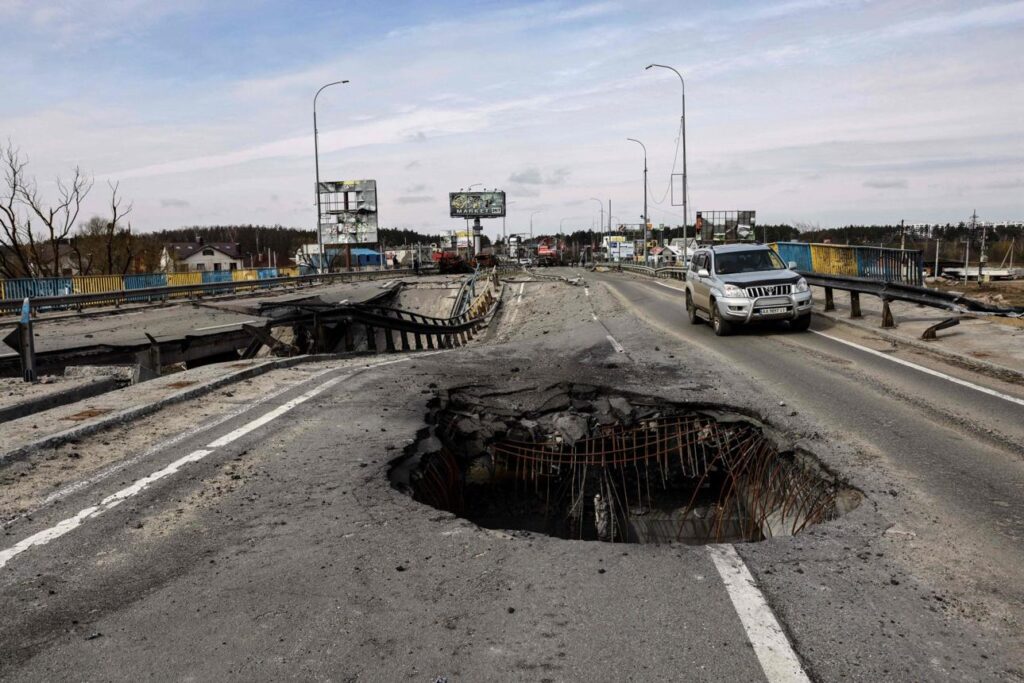
KYIV: Russia’s latest Russia Ukraine War escalation damaged two major bridges across the Dnipro River in Kyiv, Ukrainian authorities reported on November 17, after Russian forces launched missile and drone attacks on the Ukrainian capital overnight.
Kyiv Mayor Vitali Klitschko said preliminary information indicated strikes had hit the Northern and Southern bridges late on Monday, November 16. The attacks also affected parts of the city’s infrastructure, causing disruptions to metro services, water and electricity supplies.
The Kyiv Bridge Attack has raised fresh concerns about the vulnerability of critical transport infrastructure as Russia continues its military campaign against Ukraine. Authorities temporarily suspended traffic on both bridges while specialists assessed the structural damage.
According to Reuters, Russia’s Defence Ministry confirmed strikes against transport, military and energy facilities in Kyiv and several other Ukrainian regions. However, the full extent of the damage to the two bridges has not been independently established.
Northern And Southern Bridges Hit In Kyiv
The two affected structures are the Northern and Southern bridges, which cross the Dnipro River and connect different parts of the Ukrainian capital.
Klitschko announced the initial reports of the strikes through Telegram on Monday night. He said preliminary information indicated that both bridges had been hit during the Russian attack.
The bridges are important transport links for Kyiv, making any prolonged closure a significant concern for commuters and public transport operations.
On Tuesday morning, the Kyiv City State Administration announced that traffic on both bridges had been temporarily suspended. Public transport routes that normally use the crossings were also diverted.
Klitschko subsequently said specialists were inspecting the structures to determine the extent of the damage. Authorities would decide when traffic could resume after receiving the technical assessments.
The Kyiv Bridge Attack therefore resulted in immediate transport restrictions, although the final structural condition of both crossings remained under assessment.
Metro Services And Essential Utilities Disrupted
The reported damage extended beyond the road infrastructure.
Klitschko said the strikes partially damaged the city’s subway system and caused interruptions to water and electricity supplies in some areas.
The disruption added pressure on Kyiv’s urban transport network, which relies on its bridges and metro connections to move residents between districts.
Water and electricity interruptions were also reported in parts of the capital. The available initial reporting did not establish the total number of affected households or the duration of the outages.
Public transport authorities began changing routes to accommodate the bridge closures. The suspension of traffic also meant residents needed alternative connections between areas on opposite sides of the Dnipro.
Officials continued assessing the affected infrastructure as emergency and technical teams responded to the overnight attacks.
Russia Confirms Strikes On Ukrainian Infrastructure
Russia’s Defence Ministry acknowledged that its forces had carried out strikes against infrastructure targets in Ukraine.
According to the Russian military’s statement, the operations targeted transport, military and energy facilities in Kyiv, Zaporizhzhia, Cherkasy and Dnipropetrovsk. The ministry also reported strikes against port infrastructure and cargo ships.
Moscow presented the operations as attacks against facilities connected to Ukraine’s military and logistical capabilities.
However, the Russian military’s statement did not provide a detailed public assessment of the damage to the Northern and Southern bridges.
The distinction is important because confirmation of strikes against infrastructure does not independently establish the precise damage caused to individual structures.
Ukrainian authorities, meanwhile, continued examining the affected locations.
Explosions Reported Across Multiple Ukrainian Regions
The attack on Kyiv was part of a wider wave of Russian military operations targeting several Ukrainian regions.
Explosions were reported in the capital, with Reuters witnesses describing a series of loud blasts during the overnight assault.
Local officials also reported attacks affecting Kharkiv, Dnipropetrovsk and Zaporizhzhia.
In the Cherkasy region, local authorities reported that three people had been injured.
The attacks demonstrated the geographical reach of the overnight operation, which involved both Kyiv and locations elsewhere in the country.
Ukrainian President Volodymyr Zelensky had warned earlier that Russia was preparing further strikes against Ukraine.
According to the Reuters report, Zelensky had cited intelligence information indicating that Russian forces were planning attacks late Monday and throughout Tuesday.
The warning came as Ukraine continued facing pressure on its infrastructure and transport networks.
Previous Attacks Had Also Targeted Kyiv Bridges
The latest Kyiv Bridge Attack comes after earlier Russian operations against bridges crossing the Dnipro River.
According to Reuters, Russian forces had also targeted the crossings in October and earlier in November.
Those previous attacks had already raised concerns about the security of Kyiv’s transport infrastructure.
The repeated targeting of major crossings is particularly significant because bridges play an important role in maintaining movement between different parts of the capital.
Damage to these structures can complicate civilian travel, public transport operations and the movement of essential supplies.
However, the latest damage assessment will be necessary to establish whether the November 16 strikes have caused lasting structural problems or whether the bridges can reopen after repairs and safety inspections.
Ukraine And Russia Continue Striking Strategic Infrastructure
The latest developments form part of the wider Russia Ukraine War, in which both countries have increasingly targeted infrastructure with strategic and logistical importance.
Ukraine has also carried out attacks against Russian targets.
Reuters reported that Ukrainian forces struck a strategically important bridge and targeted oil refineries in Russia on Monday, November 16. Russian authorities described the overnight drone operation as the largest since the beginning of the full-scale invasion in February 2022.
The Russian Defence Ministry claimed that 1,441 Ukrainian drones had been brought down overnight. That figure is an official Russian military claim and has not been independently verified.
The exchange of attacks illustrates the continuing pressure on infrastructure across both countries.
Transport crossings, energy installations and industrial facilities have become important elements of the military confrontation, with attacks creating consequences beyond the immediate locations involved.
The Russia Ukraine War has also continued despite diplomatic efforts to reduce tensions. The latest attacks underline the difficulties facing negotiations while military operations remain active.
Damage Assessment And Bridge Closures Remain The Immediate Concern
For Kyiv residents, the immediate issue is the restoration of normal transport and essential services.
The Northern and Southern bridges remained subject to restrictions while specialists examined the reported damage. The authorities had not established a confirmed reopening timetable in the initial announcements.
The extent of disruption to water, electricity and metro operations also remained subject to further assessment.
Importantly, Reuters said it could not immediately independently verify the reports concerning the bridge strikes. Russia and Ukraine have both denied deliberately targeting civilians.
The available information therefore establishes that Kyiv’s mayor reported strikes on both bridges, that Russia acknowledged conducting infrastructure attacks and that Ukrainian authorities introduced transport restrictions.
It does not yet establish the complete structural damage or the long-term consequences for the city’s transport network.
As the Russia Ukraine War continues, the latest incident adds another layer of concern over the protection of essential infrastructure and the disruption experienced by civilians in major Ukrainian cities.




