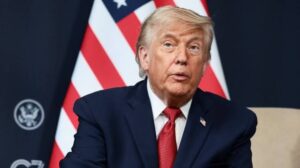
Pete Hegseth Impeachment: 3 Crucial Facts Behind Hegseth Impeachment Vote as 11 Democrats Miss Key Vote
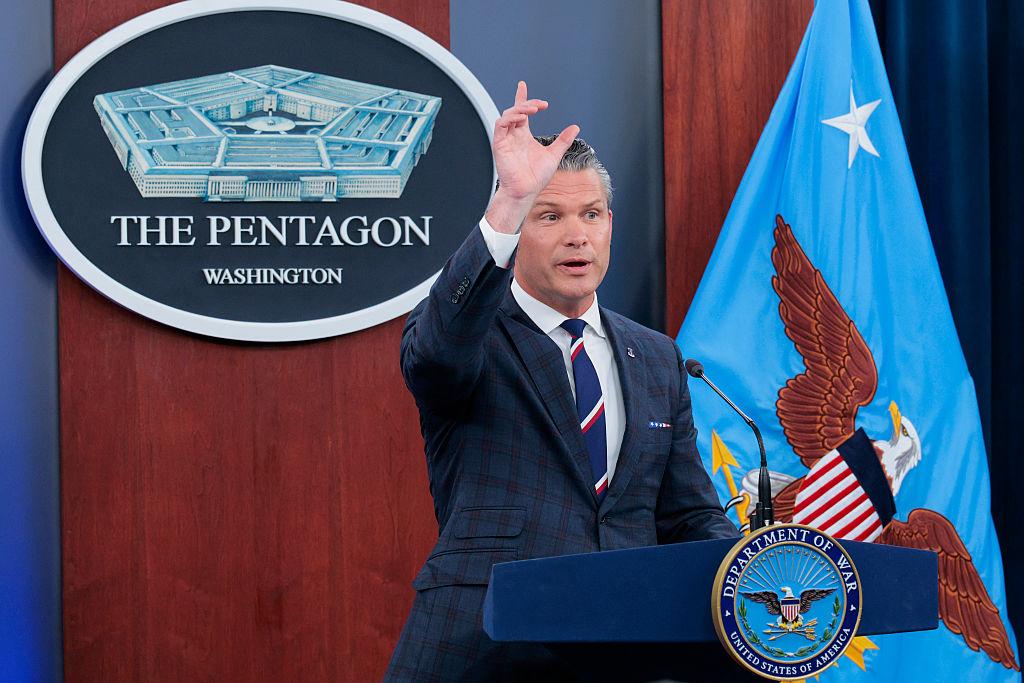
WASHINGTON: The Pete Hegseth impeachment effort suffered a major setback on Tuesday, November 10, after the US House of Representatives voted 211–204 to send impeachment articles against Defense Secretary Pete Hegseth to the House Judiciary Committee. Eleven Democrats missed the vote, while three lawmakers subsequently blamed traffic disruptions and a police-escorted bus for preventing them from reaching the chamber in time.
The result has triggered criticism within the Democratic Party and renewed questions about lawmakers’ attendance during an important congressional proceeding. However, the vote was a procedural decision to refer the resolution to a committee, not a direct vote on whether Hegseth should be impeached.
What Happened During The Hegseth Impeachment Vote?
The Hegseth impeachment vote took place on November 10 during the 119th Congress, following an impeachment resolution introduced by Republican Representative Thomas Massie of Kentucky.
The official record from the Office of the Clerk of the US House of Representatives identifies the measure as House Resolution 1655, concerning the impeachment of Peter Brian Hegseth, Secretary of Defense.
The House approved the motion to refer the resolution to the Judiciary Committee by 211 votes to 204. A total of 18 lawmakers did not vote.
The party breakdown showed that 210 Republicans and one independent supported the referral. Meanwhile, 203 Democrats and one Republican opposed it. Massie was the only Republican to vote against referring the resolution.
The outcome effectively prevented an immediate House vote on the impeachment articles and left the proposal with the committee.
Who Were The 11 Democrats Who Missed The Vote?
The absence of 11 Democratic representatives became one of the biggest controversies surrounding the proceedings.
According to the official House roll-call record, the lawmakers recorded as not voting were:
-
Julia Brownley (California)
-
Lou Correa (California)
-
Laura Gillen (New York)
-
Steven Horsford (Nevada)
-
Jonathan Jackson (Illinois)
-
Nancy Pelosi (California)
-
Brittany Pettersen (Colorado)
-
Melanie Stansbury (New Mexico)
-
Haley Stevens (Michigan)
-
Marilyn Strickland (Washington)
-
Frederica Wilson (Florida)
The absence attracted criticism because all 203 Democrats who participated voted against the motion to refer the impeachment resolution to the committee.
However, the House record establishes who did not vote, not why each representative was absent. Their explanations must therefore be considered separately rather than treated as confirmed for all 11 lawmakers.
Why Did Democrats Blame Traffic Delays?
Three absent Democratic lawmakers publicly attributed their absence to traffic disruptions involving a police-escorted bus.
Representative Melanie Stansbury said she was prevented from entering the Capitol because of a traffic incident and a police escort during the voting period. According to her office, she reached the House chamber just as the vote ended.
Stansbury also said she subsequently submitted a statement recording how she would have voted.
Representative Laura Gillen of New York gave a similar explanation. She said she was stuck behind the same police escort when the voting period closed and would have voted against the motion to refer the impeachment articles.
Representative Jonathan Jackson of Illinois also blamed a traffic incident and a police-escorted bus for delaying his arrival.
In his statement, Jackson said he had intended to oppose the referral and subsequently entered his opposition into the Congressional Record.
These explanations were reported by The Hill, which covered Stansbury’s account of the incident.
Importantly, these are the lawmakers’ explanations for their absence. They do not independently establish that traffic disruptions were responsible for every missed vote.
Were There Other Reasons For The Absences?
Not all 11 Democratic lawmakers gave the same explanation.
Former House Speaker Nancy Pelosi was in San Francisco attending a Veterans Day celebration organised by Swords to Plowshares. Her spokesperson said she supported impeachment and would have voted against the motion to refer the articles to the committee.
Representative Lou Correa reportedly missed the proceedings because he was undergoing a medical procedure in California.
Representative Steven Horsford’s office cited a personal emergency and said he supported the effort to remove Hegseth.
The reasons for the remaining absences were not all publicly established in the available reporting.
The distinction is important because the controversy concerns 11 different lawmakers, and their circumstances should not be treated as identical.
Why Was Pete Hegseth Facing Impeachment?
The Pete Hegseth impeachment resolution was introduced by Thomas Massie and contained eight articles accusing the Pentagon chief of serious violations of constitutional and federal law.
The allegations covered several areas of US military policy, including:
-
Military operations involving Iran without the required congressional authorisation.
-
Actions concerning military operations in Yemen.
-
Strikes against suspected drug-trafficking vessels in the Caribbean and eastern Pacific.
-
Alleged violations involving civilian protections during military operations.
-
Alleged retaliation against Senator Mark Kelly.
-
Other military decisions involving Venezuela and the use of presidential authority.
These were allegations contained in the impeachment resolution, not findings established by a court or a completed congressional investigation.
Hegseth rejected the impeachment effort and defended his leadership and the administration’s military decisions.
Massie’s attempt also exposed disagreements within the Republican Party. Despite introducing the impeachment articles, he was the only Republican who opposed sending them to the Judiciary Committee.
What Happens Next In The Hegseth Impeachment Vote Dispute?
The immediate consequence of the Hegseth impeachment vote is that the resolution will not proceed directly to a full House impeachment vote through this attempt.
Referral to the Judiciary Committee does not constitute a formal decision on whether the allegations against Hegseth are true. It also does not mean that the House has formally impeached him.
The political debate could continue as Democrats prepare to assume greater congressional power in January 2027 following the midterm elections.
Some Democratic lawmakers have indicated that they intend to revisit accountability measures involving Hegseth. However, any future impeachment effort would require a separate congressional process and vote.
For now, the November 10 proceedings have created two separate political controversies: the Republican-led effort to stop the impeachment resolution from advancing and the criticism directed at Democrats who did not participate in the vote.
The Pete Hegseth impeachment dispute is therefore not simply about the outcome of a 211–204 procedural decision. It has also become a test of congressional attendance, party coordination and the political divisions surrounding US military policy.