DALAI LAMA DELHI BUNGALOW: 5 Important Details Behind Centre’s Lutyens’ Delhi Allotment
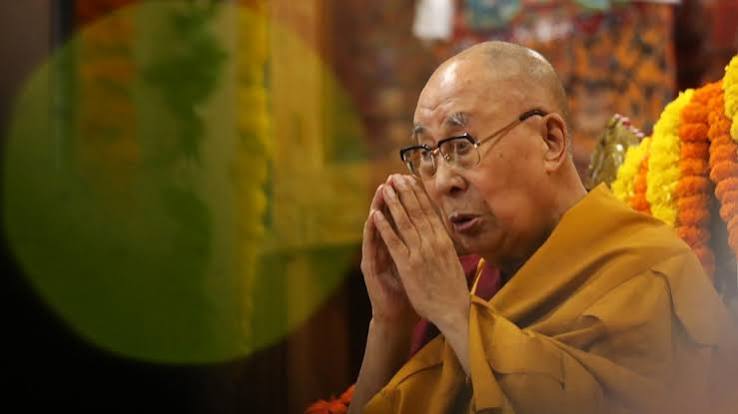
NEW DELHI: The Dalai Lama Delhi bungalow allotment has attracted national attention after the Union government reportedly provided a government residence in the prestigious Lutyens’ Delhi area to the office of Tibetan spiritual leader the Dalai Lama.
The property is located at 20, Pandit Ravi Shankar Shukla Lane, approximately three kilometres from the seat of the Union government. The development was reported on November 24, 2026, after journalists found a nameplate bearing the name Gaden Phodrang at the bungalow’s entrance.
According to The Indian Express, the Ministry of External Affairs (MEA) provided the property for the Dalai Lama’s office. The bungalow had reportedly undergone renovation over the preceding months, with additional security arrangements planned for the premises.
The development is significant because Gaden Phodrang is not simply an administrative office. It is also the private trust responsible for preserving the institution of the Dalai Lama and overseeing important aspects of its future.
1. Where Is The Dalai Lama’s New Delhi Bungalow Located?
The government-provided bungalow is situated at 20, Pandit Ravi Shankar Shukla Lane in Lutyens’ Delhi.
The location is approximately three kilometres from the central seat of government, placing the property within one of the national capital’s prominent administrative and diplomatic areas.
During a visit to the premises on November 23, journalists observed the Gaden Phodrang nameplate at the entrance. Construction debris was also visible outside, indicating that work had recently taken place at the property.
The bungalow reportedly underwent renovation over several months before the latest development became public.
Its location has attracted attention because of the security requirements associated with the Dalai Lama and his official activities.
However, the allotment should not automatically be interpreted as a change in the spiritual leader’s permanent residence. The available reporting identifies the property with his office, Gaden Phodrang, and does not establish a permanent relocation to New Delhi.
2. Why Did The Ministry Of External Affairs Provide The Bungalow?
The reported allotment followed an administrative process involving two central government ministries.
According to the report, the Ministry of External Affairs approached the Ministry of Housing and Urban Affairs in 2025, requesting a government bungalow without identifying the intended occupant.
In October 2025, the housing ministry transferred a Type 7 government bungalow to the MEA for operational purposes.
The property was subsequently associated with the Dalai Lama’s office.
The Indian Express reported that sources identified the MEA as the ministry that provided the accommodation.
However, an important qualification remains: the MEA spokesperson did not respond to the newspaper’s email seeking clarification about the allotment.
Therefore, the specific administrative terms, duration of the arrangement and complete official justification have not been publicly established in the available reporting.
3. Gaden Phodrang: The Trust Behind The Dalai Lama’s Office
The name Gaden Phodrang displayed at the bungalow is particularly important to understanding the development.
Gaden Phodrang is the official office of the Dalai Lama. It was registered as a private trust in India in 2011 after the spiritual leader voluntarily transferred his political authority to democratically elected Tibetan leadership.
The trust was registered under the Indian Registration Act, 1908, through the Sub-Registrar in Dharamsala.
Its responsibilities extend beyond administrative matters. According to the Dalai Lama’s official institutional statement quoted in the report, the trust works to:
-
Preserve the institution of the Dalai Lama.
-
Support his spiritual activities and humanitarian vision.
-
Support Tibetan communities.
-
Promote educational and environmental initiatives.
-
Oversee the identification, education and well-being of future Dalai Lamas.
The Dalai Lama India news development therefore involves an organisation with responsibilities extending beyond maintaining an office or arranging accommodation.
The government bungalow provides a dedicated address for this institution in the national capital.
4. Security Arrangements Worth Rs 34.94 Lakh
Security infrastructure is another important aspect of the bungalow allotment.
In July 2026, the Central Public Works Department (CPWD), which maintains the property, floated a tender worth Rs 34.94 lakh for security-related improvements.
The proposed work included:
-
Installation of a porta cabin.
-
Strengthening of the property’s peripheral boundary wall.
-
Concertina coil fencing.
-
Reinforcement of entrance gates.
-
Additional security-related infrastructure.
These measures indicate that security preparations were being undertaken at the property before the bungalow allotment became publicly known.
The improvements are particularly relevant given the Dalai Lama’s international public profile and the security arrangements associated with his visits.
However, the tender amount represents the reported value of the proposed security work. It should not automatically be described as the final amount spent or the total cost of renovating the bungalow.
5. Why The Allotment Matters For India-China Relations
The Dalai Lama Delhi bungalow development comes against the backdrop of longstanding political and diplomatic differences between India and China over Tibet.
The Dalai Lama has lived in India since fleeing Tibet in 1959 following the uprising against Chinese rule.
India subsequently became the centre of his activities in exile, while Dharamsala in Himachal Pradesh emerged as an important location for the Tibetan community and its political administration.
China has consistently opposed the Dalai Lama’s political activities and maintains that the selection of his successor must follow Chinese government regulations.
The Dalai Lama, meanwhile, has maintained that the Gaden Phodrang Trust will have primary responsibility for recognising his successor.
In May 2025, he reaffirmed that the institution of the Dalai Lama would continue after his death and that the trust would oversee the identification and education of future Dalai Lamas.
The issue has become an important part of the wider India-China strategic relationship, which continues to involve disagreements over Tibet, border security and regional influence.
Earlier discussions about the two countries’ diplomatic engagement and unresolved differences were examined in our report on India and China’s strategic rivalry.
The latest bungalow allotment could attract diplomatic attention because of the Dalai Lama’s position in the Tibet issue. However, there is currently no verified evidence that the accommodation decision represents a new diplomatic policy announcement or a formal change in India’s position towards China.
What Happens Next?
The immediate development is the establishment of a dedicated government-provided facility for Gaden Phodrang in Lutyens’ Delhi.
The arrangement could make it easier for the Dalai Lama’s office to coordinate official activities and security arrangements during visits to the national capital.
However, several details remain unclear, including the formal terms of the allotment, the duration of the arrangement and whether the Dalai Lama himself intends to use the property during future visits.
The MEA’s response will be important in clarifying these questions.
For now, the Dalai Lama Delhi bungalow allotment represents a notable development in the institutional presence of the Tibetan spiritual leader’s office in India’s capital.
The wider Dalai Lama India news story is also likely to remain significant because of the trust’s responsibilities concerning Tibetan religious traditions, humanitarian activities and the future succession of the Dalai Lama.