Rahul Gandhi Columbia University Speech: 5 Major Concerns on India’s Economy and Electoral System
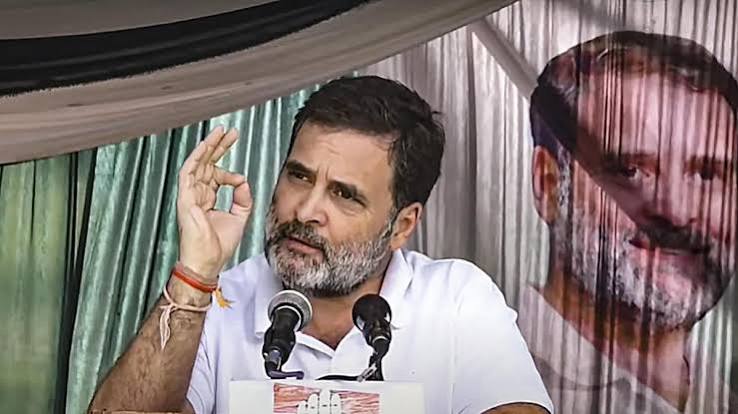
NEW YORK: Rahul Gandhi Columbia University remarks on India’s economic situation, unemployment and electoral system have triggered a fresh political confrontation between the Congress and Bharatiya Janata Party (BJP). The Leader of the Opposition in the Lok Sabha addressed students, faculty members and academics at Columbia University in New York on November 17, 2026, during his two-day visit to the United States.
Gandhi described India’s economic situation as an impending disaster, highlighting unemployment, weaknesses in the education system and concerns about the country’s manufacturing sector. He also repeated his allegations of electoral malpractice, questioning the Election Commission of India’s handling of the electoral process.
The comments prompted criticism from BJP leaders on November 18, who accused the Congress leader of portraying India negatively during his overseas engagements.
According to NDTV, Gandhi made the remarks during a discussion moderated by journalist Lydia Polgreen, followed by an open question-and-answer session with students and faculty members.
Rahul Gandhi Columbia University Address Raises Economic Concerns
The Indian economy was one of the central subjects of Gandhi’s interaction at Columbia University.
Responding to a question about India’s younger population, the Congress leader argued that unemployment and problems within the education system were creating uncertainty among young people.
He described the situation as an economic disaster and questioned whether the country’s existing economic model was creating sufficient opportunities for its population.
Gandhi also criticised the government’s flagship initiatives, including Make in India and Start-up India, arguing that they had not generated enough employment opportunities.
He emphasised the importance of manufacturing, small and medium-sized businesses and agriculture in supporting India’s workforce.
According to his assessment, the services sector alone cannot provide employment opportunities to the country’s large working-age population.
Gandhi also discussed the frustration among educated young people, particularly those from middle-class families. He suggested that many were losing confidence in the career opportunities available to them.
He linked this frustration to the growing disconnect between younger people and their parents over employment, economic security and future prospects.
These comments formed an important part of the Rahul Gandhi US speech, which focused on economic opportunities and the challenges facing India’s younger generation.
Congress Leader Repeats Vote Chori Allegations
Electoral transparency was another major issue raised during the Columbia University interaction.
Gandhi reiterated his allegations of vote chori, a term used by the Congress leader to describe what he claims are irregularities in India’s electoral process.
He questioned the Election Commission over voter-list changes and claimed that approximately 140 million people who would have voted in the 2024 elections had been removed from electoral rolls.
He questioned how an election could be considered valid under such circumstances and argued that electoral reforms were necessary to restore confidence in the democratic process.
However, the figure of 140 million and the allegation of electoral fraud were claims made by Gandhi during the interaction. They should not be interpreted as independently established findings or a verified total of unlawfully deleted voters.
Gandhi also said the Congress was working towards electoral reform and claimed that it had evidence supporting its allegations.
The latest comments follow his earlier confrontation with the Election Commission over electoral-roll administration and the Special Intensive Revision (SIR) exercise.
In September, Gandhi had demanded the resignation of Chief Election Commissioner Gyanesh Kumar, escalating the dispute over electoral transparency. His earlier demands concerning the Election Commission and vote chori allegations had also attracted political attention.
The broader debate has included questions about voter registration, deletions, electoral-roll databases and the independence of the Election Commission.
BJP Accuses Rahul Gandhi Of Damaging India’s Image Abroad
The BJP responded strongly to Gandhi’s comments, accusing him of repeatedly criticising India’s economic progress and democratic institutions during foreign visits.
BJP spokesperson Pradeep Bhandari described Gandhi as the leader of anti-India propaganda in a post on X.
Bhandari argued that Gandhi’s remarks ignored India’s economic progress and international standing. He also questioned why the Congress leader repeatedly raised such criticism on foreign platforms.
The BJP spokesperson rejected Gandhi’s description of India as an economic disaster, pointing to the country’s growth performance and assessments by international economic institutions.
Bengal BJP leader Dilip Ghosh also criticised Gandhi, accusing him of making negative statements about India because of his political ambitions.
These responses reflected the BJP’s position that Gandhi’s remarks presented an incomplete picture of the country’s economic performance.
The disagreement has therefore developed into a wider political exchange over how India’s economic achievements, employment challenges and democratic institutions should be assessed.
Electoral Reform Debate Remains A Major Political Issue
Gandhi’s latest comments are part of a continuing disagreement between the Opposition and the BJP over the functioning of India’s electoral institutions.
The Congress has repeatedly questioned the Election Commission’s approach to electoral-roll revisions and voter registration.
The issue has also attracted legal and constitutional attention. A separate challenge concerning the appointment process for the Chief Election Commissioner and other Election Commissioners has raised questions about the institutional independence of the poll panel.
The Supreme Court electoral reform case has brought the composition of the selection committee under scrutiny, although that legal dispute is separate from Gandhi’s specific allegations of voter deletions.
The Election Commission’s institutional role and the credibility of electoral processes remain important subjects in India’s political debate.
However, allegations made by political parties and their leaders must be distinguished from findings established through official investigations, judicial decisions or independently verified evidence.
Rahul Gandhi’s US Visit Continues With Chicago Engagement
The Columbia University event was the first major academic engagement during Gandhi’s two-day US visit.
Following his interaction in New York, he was scheduled to visit the University of Chicago on November 18 for another engagement.
The visit has attracted attention because of the political issues discussed during his interactions with American academic audiences.
The Rahul Gandhi Columbia University address has brought unemployment, economic policy, electoral transparency and the role of constitutional institutions back into the national political conversation.
For the Congress, the remarks reflect its continuing criticism of the government’s economic policies and the functioning of the electoral system. The BJP, meanwhile, has rejected Gandhi’s assessment and accused him of undermining India’s international image.
The disagreement highlights the competing political narratives surrounding India’s economic performance and democratic institutions.
Whether the latest exchange leads to further political responses or renewed demands for electoral reforms remains to be seen.