Rare Birds Mumbai – 5 Fascinating Migratory Sightings as Dry Kutch Changes Bird Movements
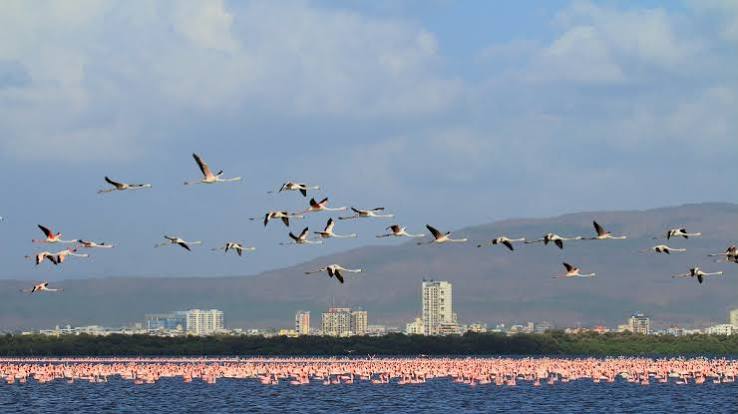
MUMBAI: Rare birds Mumbai sightings have attracted attention among birdwatchers after several uncommon migratory species, including the Jack Snipe and Water Rail, were spotted across wetlands in the Mumbai Metropolitan Region (MMR). A November 24 report by The Indian Express linked the unusual sightings to dry conditions in Gujarat’s Kutch region, which may be influencing the movement of birds in search of suitable habitats.
Birders have also reported sightings of shrikes and a rare Laggar Falcon across the metropolitan region. The developments have renewed interest in Mumbai’s wetlands as important habitats for resident and migratory bird species.
The reported sightings come during the winter migration season, when birds travel across geographical regions in response to changing temperatures, food availability and habitat conditions.
5 Unusual Bird Sightings Attract Attention Across Mumbai
The latest Mumbai birdwatching news highlights several species that have attracted particular attention from local birders.
Among them are:
- Jack Snipe: A small, elusive wading bird associated with wetland habitats.
- Water Rail: A secretive wetland bird generally found among dense aquatic vegetation.
- Shrikes: Predatory passerine birds known for hunting insects and small vertebrates.
- Laggar Falcon: A falcon species found in parts of the Indian subcontinent and neighbouring regions.
The appearance of these birds has added to the diversity of wildlife observations across the Mumbai Metropolitan Region.
However, unusual sightings do not automatically establish that the overall population of a particular species has increased. They indicate that individual birds have been recorded in locations where their presence has attracted attention.
Why Dry Conditions In Kutch May Influence Bird Migration
One of the central explanations highlighted in the November 24 report concerns rainfall conditions in Kutch, Gujarat.
Wetland birds depend on suitable habitats for feeding, resting and shelter. Changes in water availability can influence the distribution of food resources and the suitability of particular locations.
When wetlands become dry or lose suitable feeding areas, birds may move towards other locations offering better conditions.
The reported movement towards Mumbai is therefore being linked to changing habitat conditions in parts of Gujarat.
However, the relationship between dry conditions in Kutch and the individual sightings across Mumbai should be treated with appropriate caution. The available report does not establish that every bird recorded in the metropolitan region moved directly from Kutch.
Bird migration is influenced by several factors, including seasonal conditions, food availability, rainfall, temperature and the availability of suitable stopover habitats.
Why Mumbai’s Wetlands Matter For Migratory Birds India
Mumbai’s wetlands provide important feeding and resting habitats for numerous bird species.
The wider metropolitan region includes mudflats, creeks, marshes and other wetland environments that support different forms of wildlife.
Thane Creek, Bhandup, Navi Mumbai and other wetland areas are recognised birdwatching locations.
These habitats provide access to aquatic vegetation, insects, small aquatic organisms and other food sources.
For migratory birds India receives during the winter season, suitable wetlands can offer essential resting and feeding opportunities during long-distance journeys.
Some migratory species travel thousands of kilometres between their breeding grounds and wintering habitats. Their journeys depend on access to suitable locations where they can replenish their energy before continuing.
The availability of wetlands along migration routes is therefore important for maintaining healthy bird populations.
Urban development, pollution, changes in water levels and habitat degradation can affect the suitability of these environments.
Protecting existing wetlands is consequently important not only for individual bird species but also for the wider ecological balance of the metropolitan region.
Jack Snipe And Water Rail: Why These Sightings Are Significant
The Jack Snipe and Water Rail are particularly interesting sightings because both species are associated with wetland environments and can be difficult to observe.
The Jack Snipe is a small wading bird that generally prefers marshes and other damp habitats. Its behaviour and appearance can make it challenging for casual observers to identify.
The Water Rail is similarly secretive. It generally stays close to vegetation, where it can move through reeds and other wetland plants while searching for food.
Such birds may remain relatively unnoticed even when suitable habitat is available.
Their identification therefore requires patience and knowledge of bird behaviour.
For local birdwatchers, these sightings provide an opportunity to document species distribution and observe how bird activity changes across seasons.
Nevertheless, individual observations should not be interpreted as evidence of a permanent change in migration routes without longer-term monitoring.
Changing Weather And The Future Of Bird Migration
Weather conditions can influence bird migration in several ways.
Temperature changes, rainfall patterns, wind conditions and the availability of food can affect when birds move and where they stop during their journeys.
For wetland-dependent species, the availability of water is particularly important.
A wetland that provides suitable feeding conditions during one season may become less attractive when water levels decline or vegetation changes.
Similarly, locations receiving sufficient rainfall may become more suitable for birds seeking temporary habitats.
The latest rare birds Mumbai sightings have brought attention to these relationships, particularly the possible connection between dry conditions in Kutch and bird movements towards the Mumbai region.
However, establishing a long-term shift in migration patterns requires consistent observations over several years. A single season of unusual sightings cannot independently demonstrate a permanent change caused by climate change.
Birdwatching Brings Attention To Mumbai’s Wildlife
The latest sightings also highlight the importance of citizen birdwatching and wildlife documentation.
Birdwatchers regularly record species, locations and seasonal observations. Such records can help researchers understand the distribution of birds and identify changes in their movements.
For migratory birds India, these observations can provide useful information about the habitats they use during their journeys.
Mumbai’s wetlands offer opportunities for observing different species, particularly during the cooler months when several migratory birds visit the region.
However, birdwatchers should avoid disturbing birds while observing or photographing them. Maintaining a reasonable distance, avoiding excessive noise and respecting restricted wetland areas are important practices.
The latest sightings of Jack Snipe, Water Rail, shrikes and Laggar Falcon demonstrate the wildlife diversity that can be found across the Mumbai Metropolitan Region.
As seasonal conditions continue to change, birdwatchers will be watching for further arrivals and movements across the city’s wetlands. Continued observation and habitat protection will remain important for understanding and conserving these migratory visitors.